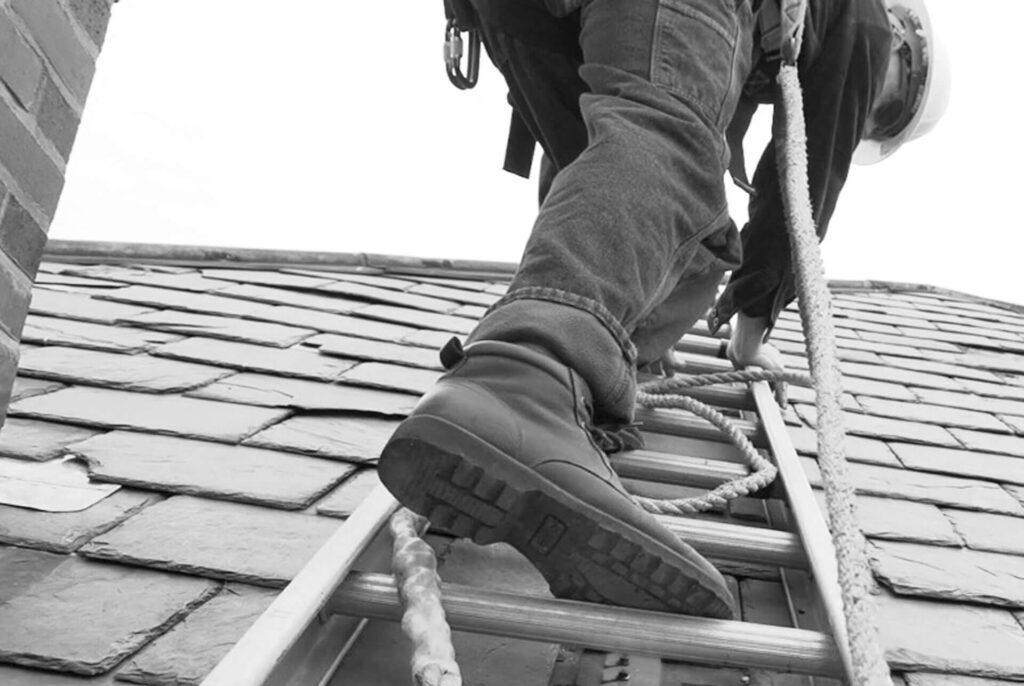
Cabin Roof & Exterior Maintenance in Invermere & Windermere
Prepare your Columbia Valley property for winter weather. Discover key roof, gutter, and siding maintenance tips from Bears Valley Roofing.

Quick answer: In most cases, it is not worth repairing a 20-year-old roof. At this age, asphalt shingles become highly brittle, meaning local repairs often crack surrounding shingles. Additionally, Canadian insurance providers frequently refuse to cover roofs of this age. A full replacement is generally the safer, more cost-effective decision.
You notice a leak in your ceiling, or perhaps you spot a few missing shingles after a heavy windstorm. For homeowners in Calgary or Invermere, dealing with roof damage is a stressful reality. A patch job comes with a lower upfront price tag, while a full roof replacement is a major investment. Naturally, the temptation to just patch the damage and delay the inevitable is high.
However, a 20-year-old roof has reached a critical structural and financial tipping point. At this stage in a roofing system’s lifecycle, small roof repairs often do more harm than good, creating hidden costs and unforeseen liabilities.
Is it worth repairing a 20-year-old roof? In most cases, no. At 20 years old, asphalt shingles become highly brittle, meaning localized repairs can easily crack surrounding shingles and trigger a “domino effect” of new leaks. Additionally, many modern insurance companies will refuse to renew homeowners’ policies on roofs of this age, regardless of condition. Investing in a full replacement is generally the most cost-effective long-term decision.
A common misunderstanding among property owners is that “asphalt” represents a single, uniform material. In reality, the overall asphalt shingle lifespan depends entirely on the design type and the manufacturing quality.
If your property utilizes standard, flat 3-tab shingles, the roof is already living on borrowed time. These lightweight shingles typically max out at a 15-year to 20-year lifespan. Attempting a repair on a two-decade-old 3-tab roof is typically a wasted investment, as the materials have degraded beyond their functional limits.
Conversely, if your property features thick, dimensional architectural shingles, it might have a few solid years left. A localized repair is only viable in this scenario if the rest of the slope remains fundamentally healthy, well-ventilated, and flexible.
| Shingle Type | Expected Lifespan | Repair Viability at 20 Years | Signs of Failure |
| 3-Tab Shingles | 15 – 20 Years | Extremely Low (Do not repair) | Curling edges, heavy granule loss, bald spots, cracked tabs. |
| Architectural Shingles | 25 – 30 Years | Moderate (Depends on condition) | Minor granule loss, isolated wind damage, healthy overall flexibility. |
To understand why a roof patch vs replacement is rarely a fair debate at the two-decade mark, you must understand the physical reality of aging asphalt.
Over twenty years, harsh UV rays and dramatic temperature swings—especially common in the climates of Calgary and the Columbia Valley—bake the essential oils out of the asphalt. This prolonged exposure leaves the material stiff and fragile.
When conducting a repair, a roofer must break the tar seal of the adjacent shingles, lift them up, and nail the new replacement shingles down. On a brittle 20-year-old roof, bending an old shingle even slightly to accommodate a hammer will frequently crack or tear it. The act of repairing one single leak easily creates two new leaks right next to it. High-quality visual comparisons of a flexible new shingle bending safely versus a cracked, brittle 20-year-old shingle snapping under pressure perfectly demonstrate this “brittle shingle paradox.”
Many homeowners operate under the assumption that they can simply patch their roof until it completely fails, and then file an insurance claim. This is a risky and outdated strategy.
Insurance underwriters across Alberta and British Columbia have tightened their restrictions aggressively over recent years. Following record-breaking weather events, including severe hail in the Calgary region, many insurance companies are flat-out refusing to renew policies—or write new ones for homebuyers—if an asphalt roof is 20 years old. This is true even if the roof has never leaked a drop.
Spending money to patch a localized leak is pointless if your home insurance provider drops your coverage the following month, demanding a full replacement to restore your policy. You can read more about navigating these requirements in our guide on how to navigate insurance roof claims.
The age of your roofing system creates significant friction in the real estate market. If you are researching this topic because you are preparing to list your property or because you just received a home inspection report, you must understand how buyers and lenders view an aging roof.
For sellers in the Calgary and Invermere markets, a cheap patch job rarely fools a certified home inspector. A 20-year-old roof will inevitably be flagged as “nearing end of useful life.” When this happens, buyers will typically demand massive price concessions or require a full roof replacement credit at closing.
For buyers looking at a home with an older roof, accepting a quick repair from a seller is highly discouraged. Instead, buyers should negotiate for a full replacement credit to ensure they are not burdened with a failing roof and immediate insurance coverage issues the moment they take possession.
Homeowners frequently fall for a financial illusion when dealing with a 20 year old roof replacement cost. The assumption is that delaying a full replacement by two years with a minor repair saves money in the short term.
Historically, roofing material and labor costs climb steadily over time. These costs are tightly tied to inflation, petroleum prices, and logistics. When you pay for a patch job today, you are purchasing a temporary fix. When that patch inevitably fails or the surrounding brittle shingles crack a year or two later, you will then have to pay the future, inflated price for a full replacement. Ultimately, you end up paying for both the temporary repair and the more expensive future roof, losing money overall by delaying the inevitable. You can learn more about how to budget for these projects in our guide on average roof replacement costs.
When deciding how to manage a 20-year-old roof, it is necessary to recalibrate the definition of “worth it.” A repair is only worth the money if it safely extends the life of a viable asset. On a roof of this age, a repair is usually just throwing good money after bad.
Before making your final choice, run through this final checklist:
Unsure if your 20-year-old roof can handle another season? Don’t rely on guesswork. Schedule a comprehensive, honest roof inspection with our expert team today to see if a repair or replacement makes the most sense for your wallet.
The primary risks include undetected water leaks that cause structural rot and interior mold, sudden policy cancellations from your home insurance provider, and decreased property value if you attempt to sell your home.
For a standard single-family home in Calgary or Invermere, a professional roofing crew can typically complete a full asphalt shingle roof replacement in one to two days, depending on the weather and the complexity of the roofline.
If your roof is old but structurally sound and utilizing architectural shingles, you might qualify for targeted repairs, but this is rare at the 20-year mark. Roof rejuvenation sprays exist, but they cannot fix brittle, physically cracked, or curling shingles.
Always hire a certified, licensed roofing contractor with HAAG® certification. General contractors or handymen lack the specialized training to identify the subtle signs of asphalt degradation and cannot properly document the condition for insurance purposes.
Prepare your Columbia Valley property for winter weather. Discover key roof, gutter, and siding maintenance tips from Bears Valley Roofing.
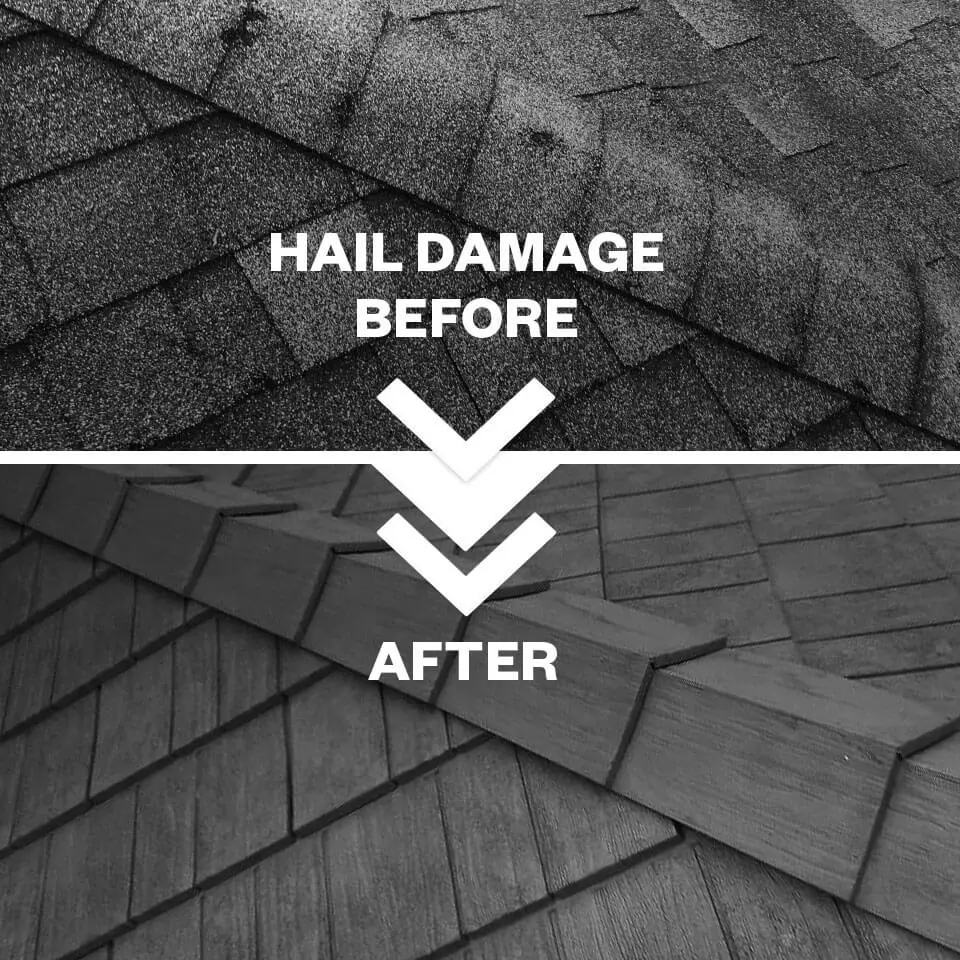
Did your Calgary home suffer hidden hail damage this summer? Learn what to look for, how Chinooks worsen roof leaks, and how to file before insurance claims expire.
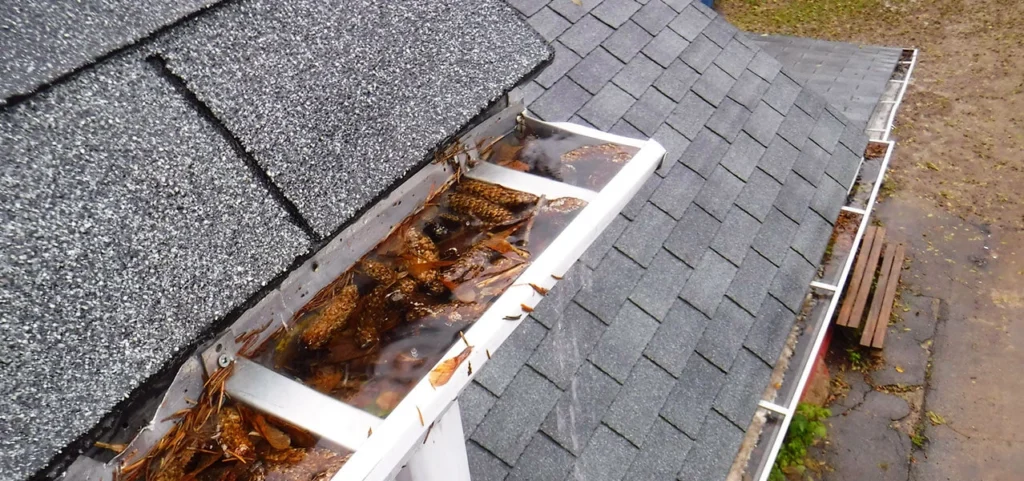
Is your home ready for fall rains and Chinook freeze-thaw cycles? Learn the critical signs your Calgary eavestroughs and downspouts need attention before winter hits.