Cabin Roof & Exterior Maintenance in Invermere & Windermere
Prepare your Columbia Valley property for winter weather. Discover key roof, gutter, and siding maintenance tips from Bears Valley Roofing.

Your home’s exterior faces a relentless opponent: Canadian weather. From freeze-thaw cycles that crack foundations to ice dams that damage roofing, the seasonal shifts unique to our climate place constant stress on every outdoor surface. Understanding when to maintain, repair, or replace these components can save you thousands of dollars and protect your investment for decades to come.
This guide breaks down the essential maintenance tasks, early warning signs of damage, and strategic timing for major upgrades—so you can make informed decisions about your home’s exterior.
Preventative maintenance is the most cost-effective strategy for protecting your home. Regular inspections and seasonal upkeep prevent small issues from escalating into expensive emergencies.
Clean your gutters and downspouts thoroughly. Clogged eavestroughs cause water overflow that damages siding, fascia, and foundation walls. In fall, clear them multiple times if you have mature trees nearby. Ensure downspouts direct water at least six feet away from your foundation.
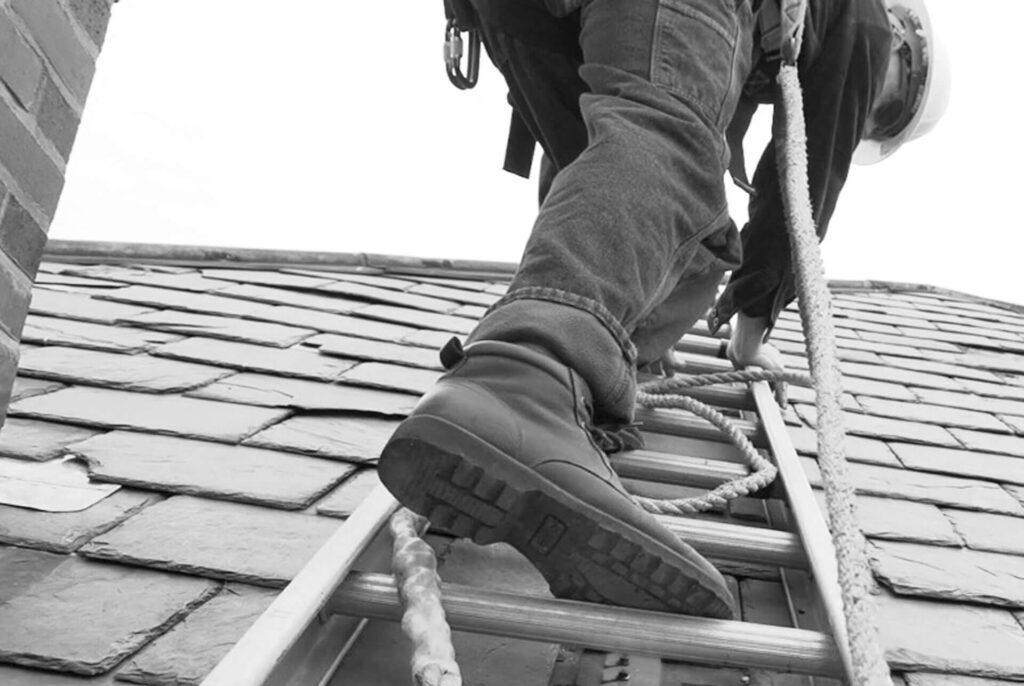
Inspect your roof after winter. Look for damaged shingles, loose flashing, or early signs of leaks. Winter’s freeze-thaw cycles and heavy snow loads can create vulnerabilities that worsen quickly if left unaddressed.
Check windows and doors for drafts. Replace worn weatherstripping and reseal gaps with fresh caulking. This simple task improves energy efficiency and prevents moisture intrusion that can rot frames and sills.
Examine siding and trim. Watch for peeling paint, cracks, or loose panels. Address surface damage promptly to prevent water penetration during the next freeze-thaw cycle.
Monitor attic ventilation and insulation. Balanced airflow prevents condensation buildup in winter and reduces heat stress in summer. Poor ventilation accelerates shingle aging and can lead to ice dam formation.
Watch for ice dams in winter. Icicles along your eaves often signal drainage blockages or insufficient attic insulation. Ice dams can cause significant water damage to ceilings and walls if not addressed.
Clear snow from foundation edges. Excessive snow accumulation against your home increases moisture risk when it melts.
According to industry data, water-related claims account for nearly 50% of Canadian property insurance payouts. A single roof leak can cost between $3,000 and $12,000 depending on severity—making routine maintenance a smart financial decision.
Catching problems early is critical. Small repairs cost hundreds; ignored issues can cost thousands.
Asphalt shingles in Canada typically last 15 to 30 years depending on quality and maintenance. Three-tab shingles may last 15 to 20 years, while architectural shingles can reach 25 to 30 years. Metal roofing lasts considerably longer—40 to 70 years—making it a strong choice for long-term durability.
Soffits and fascia play crucial roles in roof ventilation and gutter support. Warning signs include:
Properly maintained vinyl soffits typically last 20 to 30 years. Addressing damage promptly prevents structural issues and pest infestations.
These signs often trace back to poor drainage or moisture problems. Early intervention protects your home’s structural integrity.
Eventually, maintenance and repairs reach their limits. Recognizing when to replace major exterior components allows you to plan ahead and avoid sudden, disruptive emergencies. By assessing the age, condition, and performance of your home’s roof, siding, and other key features, you can schedule upgrades at a time that works best for your needs—rather than waiting until a failure demands urgent action. Factoring in the expected lifespan and warning signs of deterioration ensures your home remains protected and energy efficient, while giving you time to coordinate professional help and materials in a less rushed, more strategic manner.
When considering major upgrades like a new roof or siding, timing is key. Material life spans, visible wear, and overall performance are the main factors that should guide your decision. For example, asphalt shingles and metal roofing each have expected service lives, and visible signs such as shingles losing granules, widespread leaks, or sagging rooflines indicate it may be time to consider replacement. Similarly, siding that shows extensive warping, cracking, or rot—or leads to higher energy bills—signals that a comprehensive update could benefit your home’s comfort and efficiency.
By monitoring the condition and age of your roof, siding, and other exterior elements, you can plan for replacements before urgent problems arise. Scheduling upgrades before a failure occurs gives you more flexibility to compare materials, coordinate with contractors, and align the project with other renovations for greater efficiency. This proactive approach supports your home’s structural integrity and appearance, while helping you avoid last-minute emergencies and disruptions.
Replace your roof when:
Replace siding when:
Exterior renovations consistently deliver strong returns on investment. According to the 2024 Remodeling Cost vs. Value Report:
These figures demonstrate that strategic exterior upgrades don’t just prevent damage—they actively increase your home’s market value.
The numbers speak clearly: preventive care costs significantly less than reactive emergency repairs.
Canadian homes face unique exterior challenges that demand consistent attention. By following seasonal maintenance checklists, spotting early warning signs, and planning strategically for major replacements, you protect both your investment and your family’s comfort.
Remember these key takeaways:
Bears Valley Roofing is here to help you navigate every stage of exterior care—from routine inspections to complete roof replacements. Our team understands Canadian weather challenges and delivers reliable solutions that protect your home for years to come. Contact us today for a professional assessment of your home’s exterior.
It's recommended to clean your gutters at least twice a year, typically in the spring and fall. You should inspect your roof after the winter season and following any major storms to check for potential damage like missing shingles or leaks.
You should consider replacing your siding if you notice widespread issues like warping, cracking, or rot. Another sign it might be time for a replacement is a significant increase in your energy bills, which could indicate poor insulation. Repairing minor damage early is always more cost-effective.
Yes, exterior upgrades offer a strong return on investment. According to recent reports, you can recover a significant portion, sometimes even 100% or more, of the cost of roofing and siding replacement when you sell your home. These projects not only protect your home but also boost its market value.
Prepare your Columbia Valley property for winter weather. Discover key roof, gutter, and siding maintenance tips from Bears Valley Roofing.
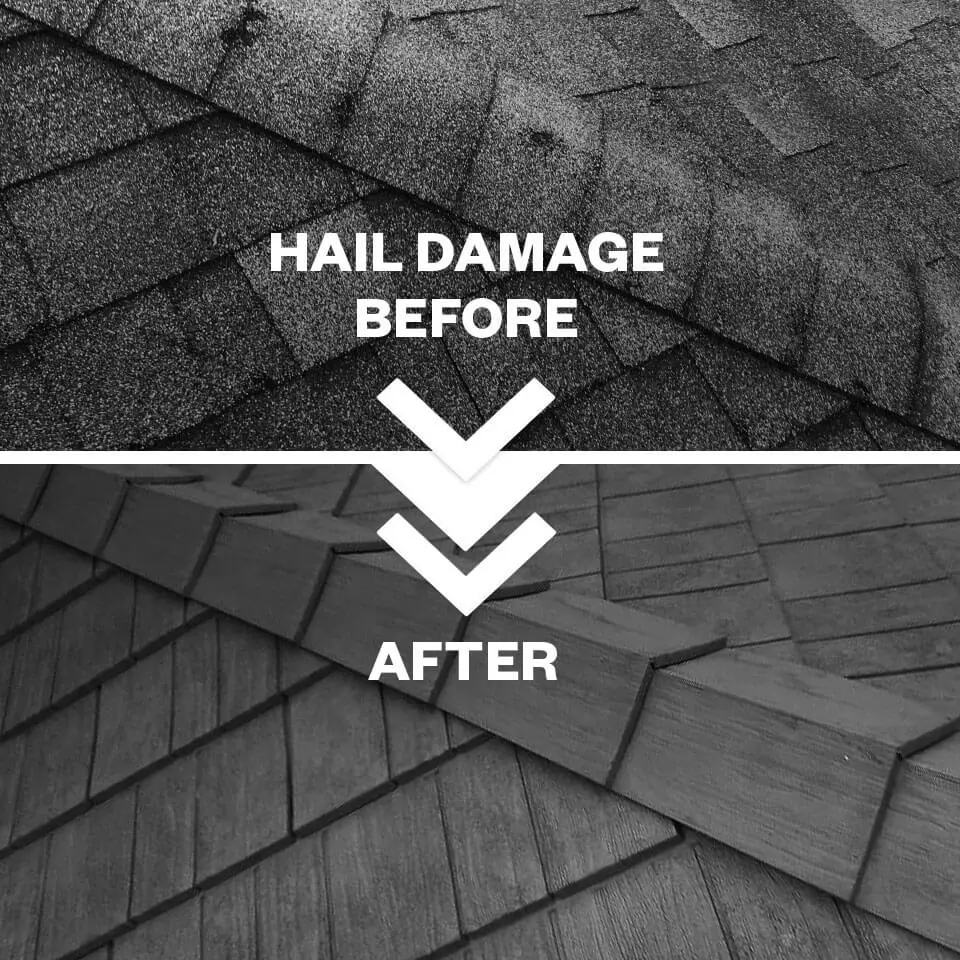
Did your Calgary home suffer hidden hail damage this summer? Learn what to look for, how Chinooks worsen roof leaks, and how to file before insurance claims expire.
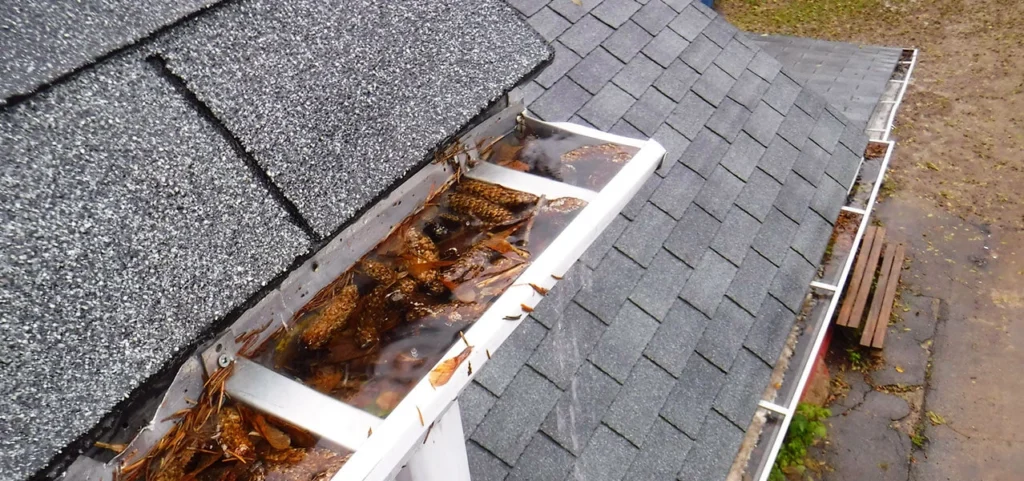
Is your home ready for fall rains and Chinook freeze-thaw cycles? Learn the critical signs your Calgary eavestroughs and downspouts need attention before winter hits.