Skip to content
Hail Damage

Is Your Roof Ready for the Next Storm? Emergency vs. Scheduled Maintenance Explained

On This Page:

You’re watching the evening news in Calgary or Invermere, and the forecast shifts. A winter storm is bearing down on the Kootenay Rockies or a heavy rain warning is issued for the Columbia Valley. Alberta’s chinooks or sudden hail in Calgary can be just as unpredictable. For most homeowners, you don’t even think, “Will my roof hold up?”

Understanding the critical difference between scrambling for an emergency repair and investing in scheduled maintenance can save you thousands of dollars—and untold stress. This guide breaks down exactly what you need to know to protect your investment, whether you’re dealing with a sudden leak at 2 a.m. or planning for the season ahead.

Understanding Emergency Roof Repairs

An emergency roof repair isn’t just a standard fix; it’s a race against time to prevent water intrusion from causing catastrophic damage to your home’s interior, insulation, and electrical systems.

Common Causes in Invermere, Calgary, and Surrounding Areas

In Invermere, the Columbia Valley, and Calgary, roofing emergencies are shaped by local weather patterns and geography:

  • Heavy Snow Loads: Winter storms can dump significant amounts of snow on roofs. In both Invermere and Calgary, rapid thaws after deep freezes allow meltwater to seep under shingles and refreeze as ice dams.
  • Windstorms: Strong valley winds, especially near Lake Windermere or during downslope events off the Rockies, can lift shingles and tear at flashing. In Calgary, prairie winds and sudden gusts also pose threats, particularly during seasonal transitions.
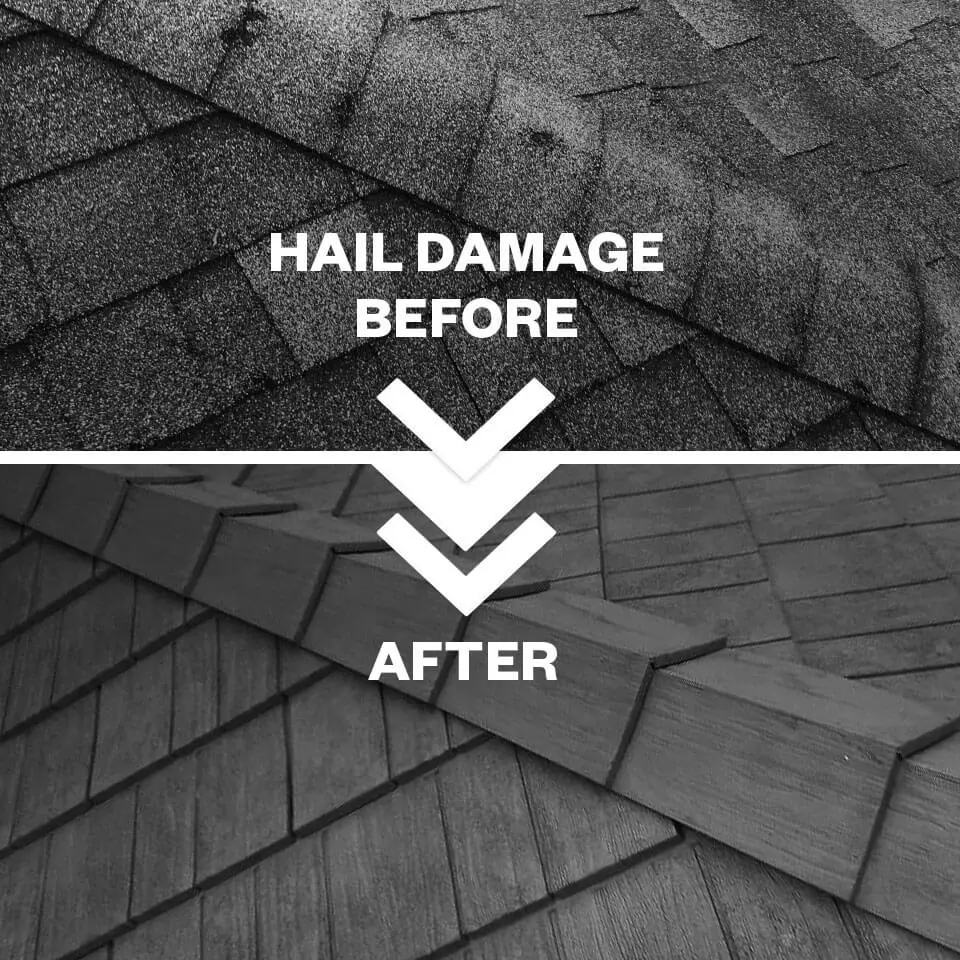
  • Hail (Alberta and Southeastern BC): Severe thunderstorms in late spring or summer can bring large hail. Calgary is especially known for frequent hail events that crack or penetrate shingles, while Invermere may also see hail, though typically less severe.
  • Ice Dams: Fluctuating winter temperatures cause snow to melt and refreeze, creating ice dams along eaves. Both regions are vulnerable, allowing water to back up under roofing and leak into the attic.
  • Rain on Snow Events: Sudden warm spells, especially in late winter or early spring, can cause rain to fall on top of existing snowpack. The combination can overwhelm roof drainage, leading to leaks and interior damage across both the Invermere and Calgary areas.

Immediate Actions During an Emergency

If you discover a leak or structural damage during a storm, safety is your primary concern.

  1. Contain the Damage: Inside the home, move furniture and valuables away from the leak. Use buckets to catch water and towels to absorb moisture.
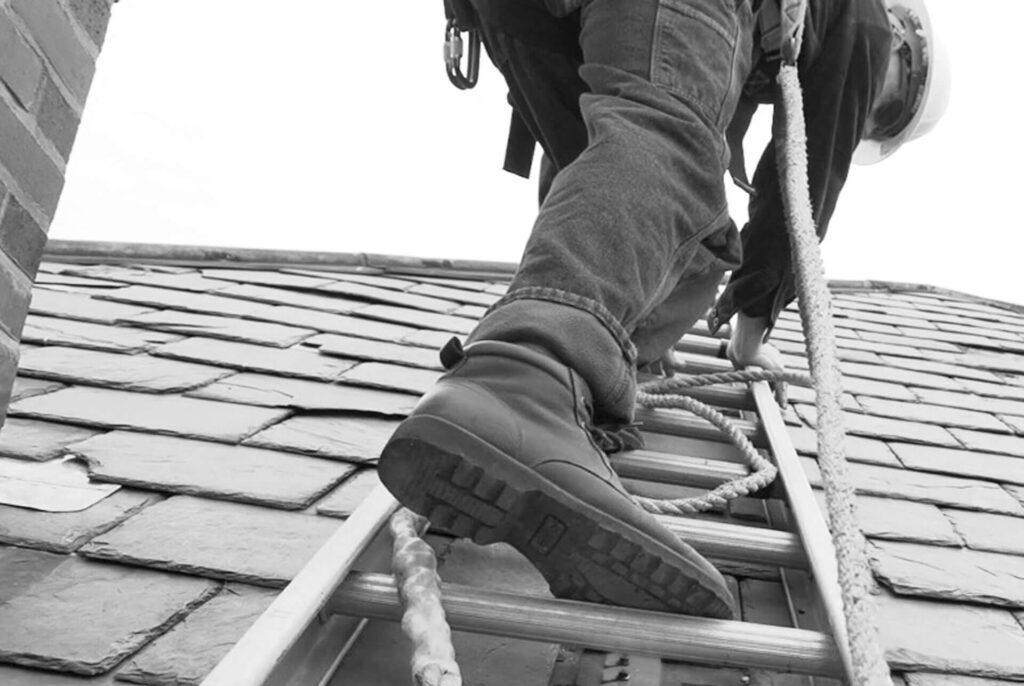
  2. Visual Inspection (From the Ground): Never climb onto a roof during a storm. Use binoculars or look from the street to identify missing shingles, collapsed sections, or debris.
  3. Call a Professional: Contact a 24/7 emergency roofing contractor in Calgary or Invermere immediately. They can provide temporary stabilization—such as tarping or board-ups—to stop water ingress until the weather clears for a permanent repair.

The Benefits of Scheduled Roof Maintenance

While emergency repairs are reactive, scheduled maintenance is proactive. Think of it like an oil change for your car; it prevents the engine from seizing up on the highway.

Extending Roof Lifespan

A well-maintained asphalt shingle roof in Invermere or Calgary can last 20 to 30 years. However, neglect—especially in freeze/thaw climates like those in the Rockies and on the prairies—can cut that lifespan in half. Regular inspections allow professionals to identify minor issues—like a single cracked shingle or a small gap in caulking—before they evolve into systemic failures.

Preventing “Surprise” Leaks

Water is patient. It can trickle through a small compromise in your roof for months, rotting decking and soaking insulation without ever showing a stain on your ceiling. Scheduled maintenance includes checking critical areas like valleys, flashings, and chimney seals where these silent leaks often begin.

Specific Maintenance Needs for Invermere, Calgary, and Nearby Regions

  • Snow and Ice Management: Routine removal of excess rooftop snow (using proper safety equipment) helps prevent damage and limits the risk of ice dams. Both Calgary and Invermere frequently face ice damming due to similar freeze/thaw cycles.
  • Attic Ventilation and Insulation: Proper attic airflow and insulation are essential in both areas to prevent heat from escaping, which is a primary cause of ice dams and premature roof aging in winter climates.
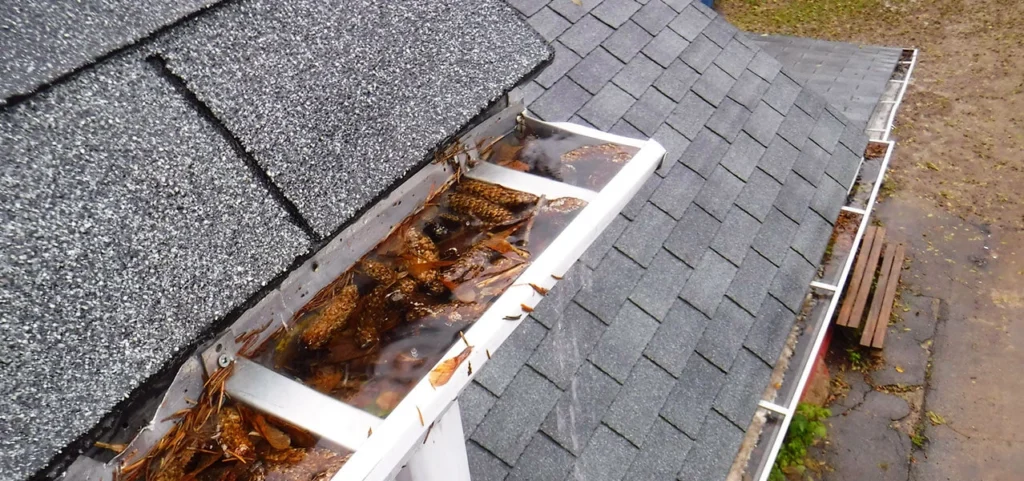
  • Clearing Debris: The abundance of pine and spruce trees around Invermere means needles and cones can clog gutters, valleys, and downspouts. In Calgary, urban foliage and dust can also build up quickly. Regular cleaning in both regions keeps water moving off the roof and away from your foundation.
  • UV and Weather Exposure: Summer sunshine and temperature swings can crack sealants around vents and skylights. Regular checkups in both Invermere and Calgary ensure your caulking and protective layers remain intact.

Comparing Costs: Emergency Repairs vs. Preventative Maintenance

The financial argument for scheduled maintenance is undeniable. Emergency repairs almost always carry a premium price tag.

The “Emergency Premium”

When you call for service outside of business hours, on weekends, or during a major storm event, costs rise significantly.

  • After-Hours Surcharges: Expect to pay 25% to 50% more for labor during evenings and weekends, whether you’re in Invermere or Calgary.
  • Temporary vs. Permanent: You often pay twice—once for the immediate “band-aid” (tarping and stabilization) to stop the leak, and again for the permanent repair once the weather improves.
  • Secondary Damage: The cost isn’t just the roof. It’s the drywall replacement, painting, mold remediation, and ruined flooring caused by a leak you didn’t catch in time.

The Value of Prevention

In contrast, a scheduled maintenance package typically costs a fraction of an emergency call-out (often between $300 and $600 annually). This small investment protects the thousands of dollars you put into your home’s structure and contents—especially valuable in regions like Calgary and Invermere where weather can change rapidly.

Choosing a Roofing Contractor: Key Considerations

Whether you need an urgent fix or a routine inspection, hiring the right professional is critical. In communities like Invermere and Calgary, trust and reputation matter, but so does due diligence.

Compliance and Insurance

  • WorkSafeBC (BC) and WCB (Alberta): In British Columbia and Alberta, all employers are legally required to have workplace injury coverage unless exempt. Confirm your chosen contractor’s coverage before work begins. This protects you from liability if a worker is injured on your property.
  • Liability Insurance: Ask to see proof of general liability insurance. If a contractor accidentally causes property damage, you need assurance that it’s covered.

Red Flags to Avoid

  • Cash-Only Deals: Legitimate businesses provide clear payment options and receipts.
  • Out-of-Town “Storm Chasers”: Be wary of contractors who show up after major weather events and pressure you to commit quickly in both Invermere and Calgary.
  • Pressure Tactics: Avoid anyone forcing you to sign a contract on the spot or demanding full payment upfront before materials arrive.

Prioritizing Roof Health for Long-Term Savings

Your roof is easy to ignore—until it isn’t. By shifting your mindset from reactive to proactive, you gain control over your home maintenance budget and peace of mind during the next mountain storm or prairie hailstorm.

Don’t wait for water to drip onto your dining room table. Schedule an inspection with us your reputable, licensed local contractor in Invermere or Calgary today. A healthy roof isn’t just about shingles and tar; it’s about the safety and security of everything living underneath it.

Common Questions

More Blogs from Bears Valley Roofing