
Roof Maintenance for Calgary and Invermere
Learn how a preventive 35-Point Roof Tune-Up protects Calgary and Columbia Valley Invermere homes from severe storm damage and expensive interior leaks.

The record-breaking hailstorms of 2024 and 2025 left Calgary with a staggering $9.4 billion in total insurance claims. Because of these massive financial losses, insurance companies are fundamentally changing how they cover roof damage. They are no longer simply raising your monthly premiums. Instead, they are entirely rewriting the rules of what actually qualifies as a valid claim.
If you live in a hail-prone area, understanding these new policy changes is critical to protecting your property. Many homeowners assume their current insurance policy will automatically cover a full roof replacement after a severe summer storm. That assumption is becoming a dangerous financial liability. Insurers are aggressively introducing new clauses that leave homeowners footing the bill for extensive roof repairs.
Knowing the exact impact resistant shingles cost Calgary roofers are charging today can help you navigate this shifting landscape. Upgrading your roofing materials is rapidly transitioning from an optional luxury to a strict requirement for maintaining adequate home insurance.
You might be surprised to learn that a heavily dented roof does not automatically qualify for an insurance payout. Insurance providers are increasingly adding a cosmetic damage hail exclusion Calgary homeowners are discovering only after a storm hits.
This exclusion creates a strict division between “functional” damage and “cosmetic” damage. Functional damage means the hailstorm physically broke the shingle, creating an active leak that threatens the interior of your home. Cosmetic damage means your roof is battered, dented, and visually ruined, but not actively leaking. Under these new rules, if your roof only has cosmetic damage, the insurance company will not pay a dime to replace it—unless you have specific impact-resistant materials already installed.
Looking ahead to the 2027 outlook, the situation becomes even more urgent. Major Alberta insurers, including Aviva and Intact, are increasingly mandating Class 4 shingles for policy renewals in “Hail Alley” zones like Northeast Calgary, Airdrie, and Okotoks. If you refuse to upgrade your materials, your provider may deny you coverage entirely or severely restrict your payout limits.
When planning a roof replacement, you need accurate, up-to-date pricing to make an informed decision. The initial price tag for impact-resistant materials is higher than traditional options, but the long-term savings heavily outweigh the upfront expense.
Here is a breakdown of what you can expect to pay for a standard 1,500 to 2,000 square foot home:
| Shingle Type | Cost Increase Over Standard | Calgary Life Expectancy |
| Standard Architectural | Base (0%) | 12–15 Years (due to hail) |
| Class 4 Impact Resistant | 30–40% higher | 25–35 Years |
The difference between a standard roof and a Class 4 roof is approximately 30–40% higher in upfront investment. However, choosing these premium materials leads to significant long-term savings, including reduced insurance costs and fewer out-of-pocket expenses after storms.
Most providers offer a Class 4 shingle insurance discount Alberta homeowners can easily claim. This discount typically ranges from 15% to 25% off the dwelling portion of your annual premium, amounting to significant yearly savings.
Furthermore, having a durable roof helps you avoid paying the much higher hail damage deductibles Calgary 2026 policies now enforce. Standard hail deductibles have risen by 60–100% in recent years. By avoiding just one major claim and combining that with your annual premium discounts, the increased upfront cost of upgrading can be offset in under five years.
To understand why Class 4 shingles perform so well, you have to look at the chemistry behind the manufacturing process. The secret lies in a material called SBS (Styrene-Butadiene-Styrene).
When comparing SBS modified shingles vs standard asphalt, the difference in flexibility is immediately apparent. Standard asphalt shingles become rigid and brittle in cold weather. When a hailstone strikes a frozen standard shingle, it shatters the fiberglass mat underneath, causing functional damage.
SBS modifies the asphalt by blending it with synthetic rubber. This gives the shingle a rubbery, flexible texture that can absorb severe impacts and simply bounce back. This flexibility also allows the shingles to expand and contract safely during Calgary’s extreme -30°C winter Chinooks without cracking or tearing.
If you are looking for local-proven performers, consider asking your roofing contractor about specific brand lines engineered for this climate. IKO Nordic, GAF Timberline AS II, and Euroshield rubber roofing are all highly rated options that meet Class 4 standards and consistently survive severe Alberta weather.
Another critical detail hiding in modern insurance policies is the shift toward Actual Cash Value (ACV) payouts. Standard asphalt roofs over 15 years old are quietly being moved to ACV coverage by insurance providers.
Replacement Cost coverage pays for a brand new roof at today’s labor and material prices. ACV coverage only pays for what your old roof is currently worth, strictly factoring in depreciation. If a storm destroys your 15-year-old standard roof, an ACV policy might only pay out $3,000 for a $12,000 replacement, leaving you to cover the massive difference.
Upgrading to a Class 4 roof often encourages insurers to lock you into Replacement Cost coverage for a much longer period. Ignoring this issue greatly increases your chances of ending up with an uninsurable roof Calgary brokers simply cannot cover against future hail threats.
Taking proactive steps right now will protect your home and your wallet before the next major storm hits. Follow this simple checklist to secure your property:
Your home is an important investment, and your roof is the primary shield protecting that investment from unpredictable weather. Waiting for the next storm to hit is a strategy that will inevitably cost you thousands of dollars in high deductibles and depreciated payouts.
Don’t let your roof become a liability. Get a roof replacement quote today and see how Class 4 shingles can lower your premiums and protect your equity.
Yes. In the Calgary market, a "Hail-Rated Roof" is a major selling feature. Homes with documented Class 4 shingles often sell faster and for a premium because the buyer knows they won't face insurance surcharges or immediate replacement costs after a storm.
Most Alberta insurers offer between 15% and 25% off the dwelling portion of your premium. For a standard Calgary home, this averages $200–$500 in savings per year, not including the thousands saved by avoiding a deductible during a storm.
While no roof is "hail-proof" against 4-inch "softballs," Class 4 shingles are tested to withstand 2-inch steel balls dropped from 20 feet. In a typical Calgary storm, a standard shingle will crack (functional damage), while an IR shingle will remain intact, keeping your home dry and your insurance claim-free.
Learn how a preventive 35-Point Roof Tune-Up protects Calgary and Columbia Valley Invermere homes from severe storm damage and expensive interior leaks.
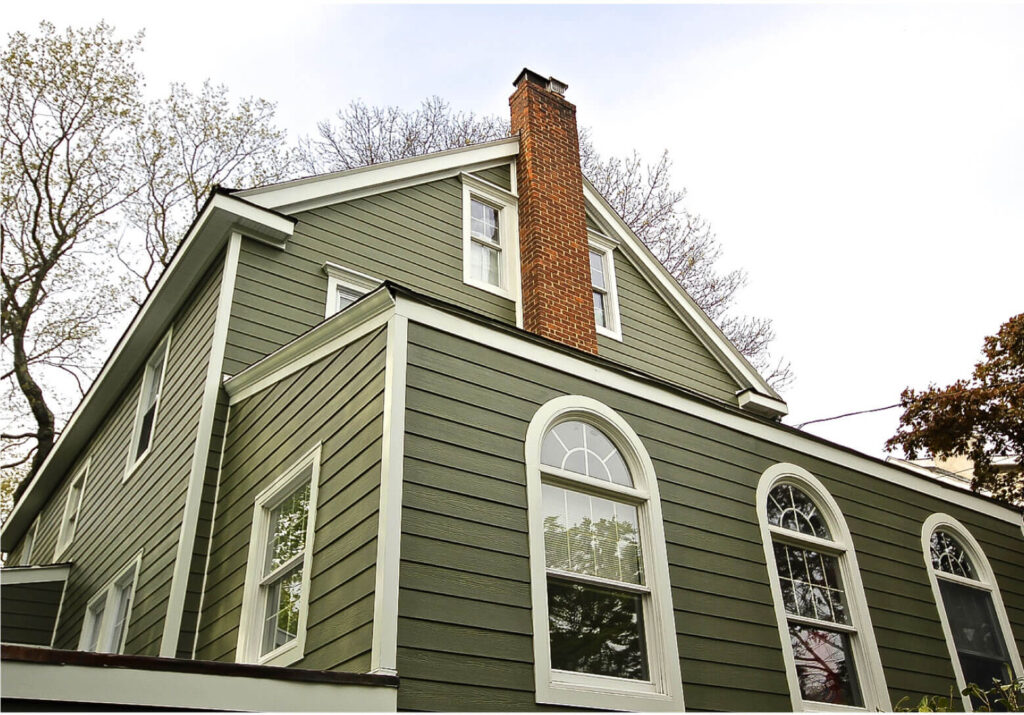
Discover why James Hardie fiber cement is the best wildfire-resistant siding for Columbia Valley homes in 2026. Protect your home with FireSmart BC guidelines.

Discover why patching a 20-year-old roof could cost you more over time. Learn about asphalt shingle lifespans, insurance rules, and real estate impacts.