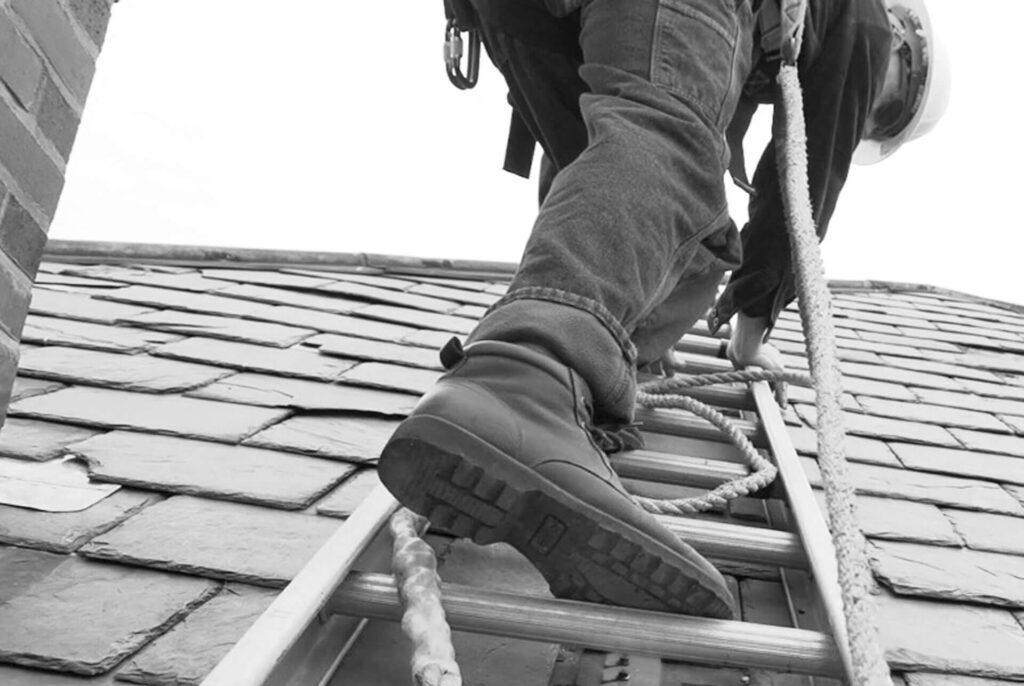
Cabin Roof & Exterior Maintenance in Invermere & Windermere
Prepare your Columbia Valley property for winter weather. Discover key roof, gutter, and siding maintenance tips from Bears Valley Roofing.

For homeowners in Calgary and across Canada, choosing a new roof is about more than just curb appeal—it’s a tactical decision against the elements. From blistering summer heatwaves to the sudden violence of a hailstorm, your roof is the first line of defense protecting your most valuable asset. But with so many materials on the market, finding the right balance between durability, cost, and performance can feel overwhelming.
In Alberta, the stakes are even higher. The August 2024 hailstorm in Calgary resulted in over $3.25 billion in insured losses, a stark reminder of why material choice matters. While asphalt shingles have long been the default option due to their lower upfront cost, newer contenders like rubber and metal are gaining traction for their resilience and longevity.
This guide provides a direct comparison of rubber, metal, and asphalt roofing. We will break down how each material holds up against the unique challenges of the Canadian climate, helping you make an informed decision that suits your budget and your home’s long-term needs.
Rubber roofing, often made from recycled tires (Euroshield) or synthetic membranes like EPDM (ethylene propylene diene monomer), is rapidly becoming a favorite for durability-conscious homeowners. It offers a unique blend of toughness and environmental responsibility.
Rubber shingles are typically manufactured from approximately 95% recycled materials. This process diverts millions of tires from landfills, turning waste into a high-performance building product. These shingles are designed to mimic the look of traditional slate or cedar shake but without the fragility associated with those natural materials.
Rubber is arguably the most hail-resistant option available. Its natural bounce allows it to absorb the shock of hailstones without denting or shattering. For a city that sees frequent severe weather alerts, a rubber roof offers unmatched peace of mind.
Metal roofing has evolved far beyond the corrugated tin sheets on old barns. Modern metal roofs are sleek, sophisticated, and engineered to last a lifetime. They are typically made from steel (galvanized or galvalume), aluminum, or copper.
Metal roofs come in two main styles: standing seam (long vertical panels) and stamped metal shingles (designed to look like slate, tile, or wood). They are lightweight, putting less stress on your home’s structure, yet incredibly strong.
Metal is excellent for Calgary’s winter conditions. Its ability to shed snow reduces the risk of structural issues, and it is impervious to rot and mildew. While it is durable against hail, severe storms can dent metal panels. While these dents are often cosmetic and don’t affect waterproofing, they can be unsightly. High-end steel products are often textured to hide minor indentations.
Asphalt shingles remain the most popular roofing material in North America. They are the standard by which all other materials are measured, primarily due to their accessibility and affordability.
Asphalt shingles consist of a fiberglass mat coated with asphalt and topped with mineral granules. They come in two primary types: 3-tab (flat, single layer) and architectural (thicker, multi-layered for a dimensional look).
Asphalt is a capable choice if you choose high-quality materials. For Calgary, it is crucial to select “impact-resistant” (Class 4) architectural shingles. Standard 3-tab shingles often fail prematurely due to high winds and hail. While they may not last as long as metal or rubber, premium asphalt shingles offer decent protection at a fraction of the cost.
The following table breaks down the key differences to help you visualize which material aligns with your priorities.
| Feature | Rubber Roofing | Metal Roofing | Asphalt Shingles |
| Typical Cost (CAD) | High ($10 – $20 / sq. ft.) | High ($9 – $18 / sq. ft.) | Low – Medium ($2.50 – $6 / sq. ft.) |
| Lifespan | 30 – 50 Years | 40 – 70 Years | 15 – 30 Years |
| Hail Resistance | Excellent (Bounce-back) | Good (Resistant but can dent) | Fair (Prone to granule loss/cracking) |
| Fire Resistance | High (Class A or C) | Highest (Class A) | Moderate (Class A available) |
| Eco-Friendliness | Excellent (Recycled tires) | Good (Recyclable) | Poor (Landfill waste) |
| Calgary Suitability | Best for hail zones | Best for snow & longevity | Best for budget-conscious |
Choosing the right roof replacement material involves balancing your current financial situation with your long-term plans for the home.
Asphalt shingles are generally the most budget-friendly roofing material upfront. The cost of materials and installation is typically lower compared to metal or rubber roofing. While the initial investment is less, it's important to also consider long-term costs, as asphalt may require more frequent repairs or earlier replacement than the other options.
Metal roofing is known for its exceptional durability and longevity, often lasting 50 years or more. It stands up very well to Calgary's heavy snow, high winds, and hail. Rubber roofing is also a highly durable choice, with a lifespan that can rival or even exceed metal in some cases, offering excellent resistance to temperature fluctuations and hail impact. Asphalt shingles typically have the shortest lifespan of the three, usually lasting between 15 to 30 years, depending on the quality of the shingle and installation.
Maintenance needs vary significantly between rubber, metal, and asphalt roofing, which is an important consideration for homeowners.
Prepare your Columbia Valley property for winter weather. Discover key roof, gutter, and siding maintenance tips from Bears Valley Roofing.
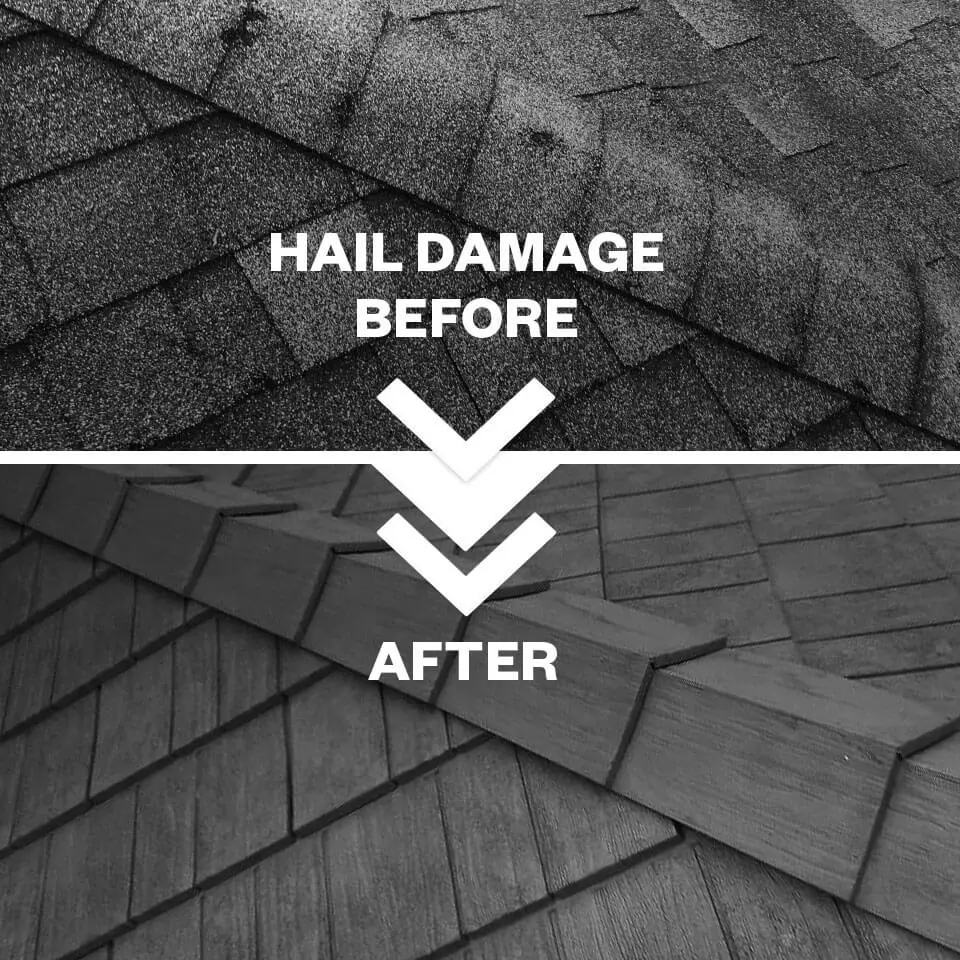
Did your Calgary home suffer hidden hail damage this summer? Learn what to look for, how Chinooks worsen roof leaks, and how to file before insurance claims expire.
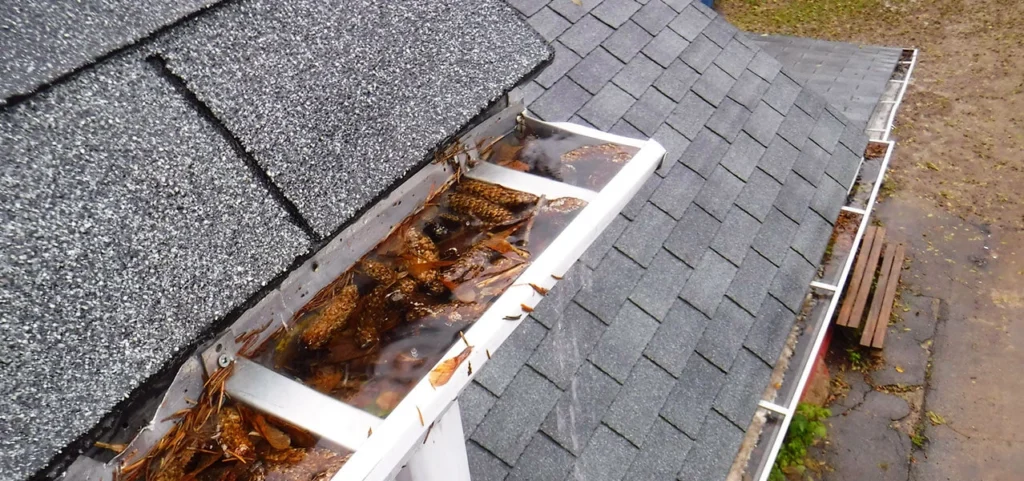
Is your home ready for fall rains and Chinook freeze-thaw cycles? Learn the critical signs your Calgary eavestroughs and downspouts need attention before winter hits.