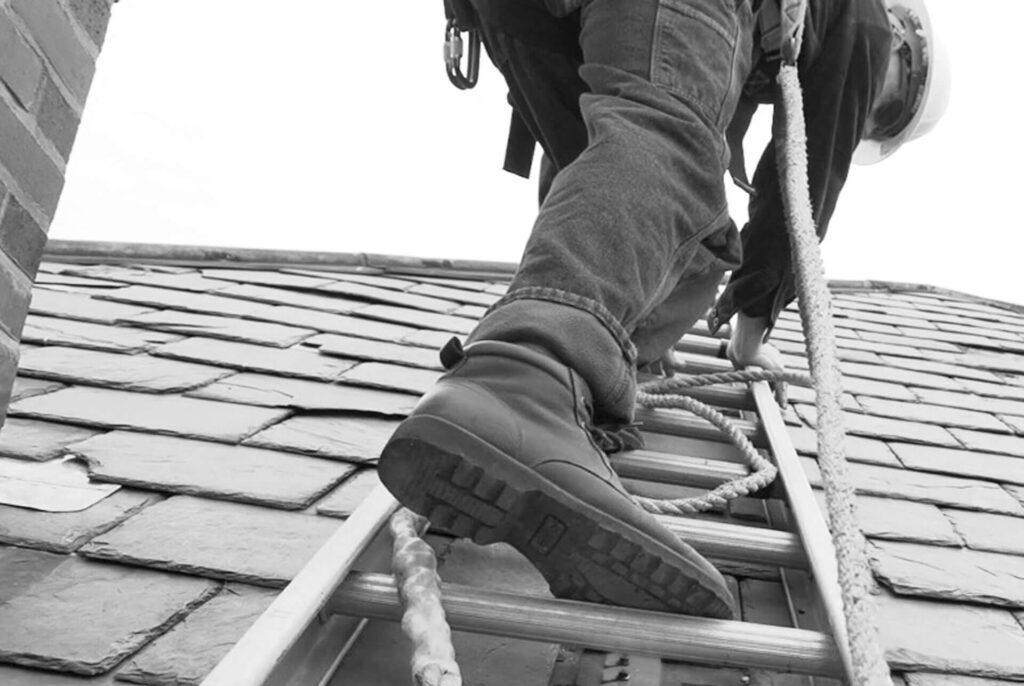
Cabin Roof & Exterior Maintenance in Invermere & Windermere
Prepare your Columbia Valley property for winter weather. Discover key roof, gutter, and siding maintenance tips from Bears Valley Roofing.

A roof leak in a single-family home is an expensive headache. A roof failure in a Calgary condominium complex, however, is a multi-million-dollar legal, financial, and logistical nightmare.
For property managers and condo boards, overseeing a multi-family roof asset is incredibly complex. Standard maintenance advice—the kind that populates generic property management blogs—tends to treat roofing with a broad brush. They tell you to “check for leaks” or “clear the gutters,” entirely ignoring the severe, localized climate realities of southern Alberta and the strict municipal enforcement unique to the City of Calgary.
To protect your property values, minimize climbing insurance premiums, and remain legally compliant, you need a hyper-local, proactive asset management strategy.
Calgary’s weather is notoriously volatile, creating distinct structural stresses that accelerated aging on multi-family roofs long before their engineered lifespans are up.
Calgary’s famous Chinooks are a welcome winter respite for residents, but they are brutal on roof envelopes. When a Chinook drives temperatures from -20 degrees celsius up to +10 degrees celsius in less than 24 hours, it triggers rapid, massive snowmelt.
As that water flows toward cold roof eaves or uninsulated parapets, the Chinook breaks, temperatures plummet back into the negatives, and the water refreezes instantly. This process fuels severe ice damming. The expanding ice acts like a crowbar, getting beneath metal flashings, backing up under shingles, and tearing apart low-slope roof membranes through continuous expansion and contraction.
Situated firmly within Canada’s “Hail Alley,” Calgary regularly experiences destructive summer storms. For property managers overseeing low-rise, townhouse-style condominiums, basic asphalt shingles are becoming a massive liability.
Faced with skyrocketing insurance deductibles and premium spikes, many proactive condo boards are pivoting toward Class 4 impact-rated materials—such as engineered rubber roofing (like Euroshield) or high-durability polymer shingles. These systems are designed to withstand violent kinetic impacts, preventing the micro-fractures and rapid granule loss that spell premature death for a standard shingle roof.
Calgary sits roughly 1,048 meters above sea level and enjoys an average of 333 sunny days per year. This high UV exposure relentlessly bakes roof surfaces. Property managers must pay careful attention to south- and west-facing roof slopes, which almost always degrade, crack, and blister years ahead of northern-facing exposures.
Beyond weather, Calgary property managers face a rigid municipal compliance landscape. Under the City of Calgary’s Building Maintenance Bylaw, there is a strict framework designed to prevent building envelope degradation and protect the public from falling debris.
The 5-Storey / 10-Year Rule: If you manage a condominium building that is 5 storeys or higher and over 10 years old, you are legally mandated to have a formal Building Exterior Visual Assessment (BEVA) completed every 5 years.
This assessment explicitly covers the roof and exterior walls, and it cannot be self-certified by a property manager or board member. It must be executed by a qualified professional (such as a structural engineer or a certified building envelope specialist).
When an inspector evaluates your roof under the BEVA framework, components are sorted into three strict tiers:
The Liability Trap: Property managers must retain these BEVA reports for the entire lifespan of the building. If a City Bylaw Officer requests a copy of your assessment, you are legally required to produce the documentation within 14 days. Failure to comply can result in severe municipal fines and legal exposure for the condo corporation.
A flat high-rise roof downtown faces completely different engineering stressors than a sprawling suburban townhome community. Your maintenance checklist needs to reflect your specific architecture.
For multi-unit townhomes, the battle is won or lost in the attic. Managers must regularly audit attic ventilation balance. If the soffit intakes or roof exhaust vents are blocked, heat escapes from the living spaces below and pools at the top of the attic. This creates an artificially warm roof deck that melts the underside of the snowpack, driving the catastrophic ice dams mentioned earlier. Furthermore, these properties must be routinely checked for shingle lifting caused by violent wind gusts sweeping off the foothills.
Flat roofs rely entirely on drainage velocity. On a commercial low-slope roof (using SBS modified bitumen or EPDM rubber membranes), a single clogged scupper can cause thousands of gallons of water to pool after a heavy June downpour. This leads to ponding water, which places immense structural weight on the building deck and accelerates membrane breakdown. Inspections here must focus heavily on clear drains, integrity of seam sealants, and ensuring that heavy winds haven’t displaced the gravel ballast layer, exposing the delicate underlying membrane to UV damage.
In Alberta, condominium corporations are legally required to conduct a formal Reserve Fund Study (RFS) every five years. The RFS assigns a Remaining Useful Life (RUL) expectation to major assets, including the roof, and dictates how much money owners must contribute monthly to fund its eventual replacement.
However, a statistical model built during a sunny autumn five years ago cannot predict a sudden, localized golf-ball-sized hailstorm or consecutive winters of unprecedented Chinook cycles.
When a roof’s wear accelerates past the timeline projected in your Reserve Fund Study, property managers find themselves in a precarious spot. If an RFS states your high-rise flat roof has seven years of life left, but an inspection reveals premature membrane splitting that will cause catastrophic failure in two, the condo board faces a massive funding gap.
To bridge this without levying a sudden, painful special assessment on owners, property managers must use detailed, annually updated roof inspection reports.
Proactive, documented maintenance plays a massive role in insurance negotiations. If a major storm hits Calgary and your condo corporation files a multi-hundred-thousand-dollar roof claim, insurers will meticulously audit your maintenance records. If you can prove via a clear paper trail that the roof was perfectly maintained, clear of debris, and structurally sound prior to the storm, you drastically reduce the insurer’s ability to apply heavy depreciation deductions to your payout.
To ensure nothing slips through the cracks, Calgary property managers should operate on a seasonal checklist tuned specifically to southern Alberta’s climate shifts.
1.Early Spring (The Post-Chinook Audit):March – April.
As the winter snowpacks clear, immediately check for signs of winter damage. Inspect low-slope flashing connections for separation caused by frost-heave, check flat roof membranes for tension splits, and inspect interior top-floor ceilings and attic spaces for any evidence of slow water ingress from ice damming.
2.Early Summer (Pre-Storm Preparation):May – June.
Before Calgary’s heavy rain and summer storm patterns hit, clear all commercial flat drains, scuppers, gutters, and downspouts of winter silt and gravel buildup. Ensure that water can flow freely off the building envelope to prevent ponding water issues during sudden downpours.
3.Late Summer (Post-Hail Audit):August – September.
Once the peak hail season winds down, commission a targeted roof envelope audit. For shingled townhomes, check for subtle “bruising” (where hail fractures the fiberglass mat beneath the granules) and heavy granule displacement in the gutters. For flat roofs, inspect membrane surfaces for microscopic puncture wounds or tears that will leak once the winter weight of snow sits on them.
4.Late Fall (Winterization):October – November.
Before the first permanent freeze, clear the massive autumn leaf drop out of high-rise drain baskets. If leaves freeze inside a drain pipe, they form a solid ice plug that cannot melt, guaranteeing major backup leaks when the first mid-winter Chinook arrives.
Managing a Calgary condo roof requires balancing local weather hazards, strict municipal compliance, and long-term financial forecasting. By shifting from a reactive “fix-it-when-it-leaks” mindset to a structured, hyper-local maintenance protocol, property managers can extend their roof’s lifespan, safeguard their reserve funds, and keep their properties completely compliant with the law.
No. A Reserve Fund Study is a financial forecasting tool updated every five years; it is not a technical roof maintenance program. Calgary’s severe weather—such as sudden golf-ball-sized hail or rapid Chinook freeze-thaw cycles—can accelerate roof degradation years ahead of the study's mathematical projections. Annual inspections are critical to identifying these micro-damages early, protecting the building envelope, and providing the documentation required to minimize insurance depreciation if you ever need to file a storm claim.
No, the City of Calgary’s Building Maintenance Bylaw explicitly mandates the Building Exterior Visual Assessment (BEVA) only for buildings that are 5 storeys or higher and over 10 years old. However, while you are exempt from the formal municipal filing process, your condo corporation is still legally liable under the Alberta Condominium Property Act to maintain common property. Implementing the same 5-year proactive assessment framework is highly recommended to protect your board from negligence claims.
Chinooks create a devastating "freeze-thaw trap." When a rapid temperature spike melts the snowpack on your roof, the water flows down toward the colder eaves, uninsulated parapets, or frozen drains. As the Chinook breaks and temperatures instantly plunge back below freezing, this pooled water turns to ice, expanding under flashings, shingles, and membrane seams like a crowbar. When the next melt happens, water easily backs up through these newly compromised gaps directly into the building.
Prepare your Columbia Valley property for winter weather. Discover key roof, gutter, and siding maintenance tips from Bears Valley Roofing.
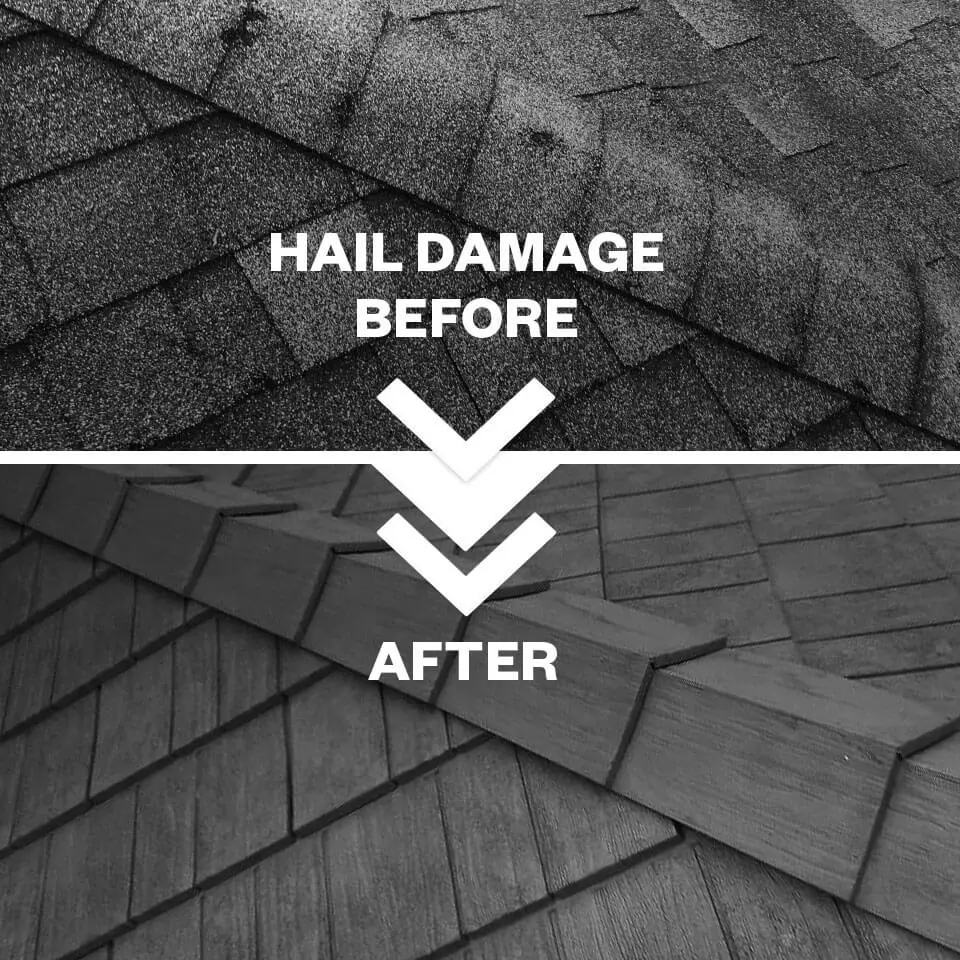
Did your Calgary home suffer hidden hail damage this summer? Learn what to look for, how Chinooks worsen roof leaks, and how to file before insurance claims expire.
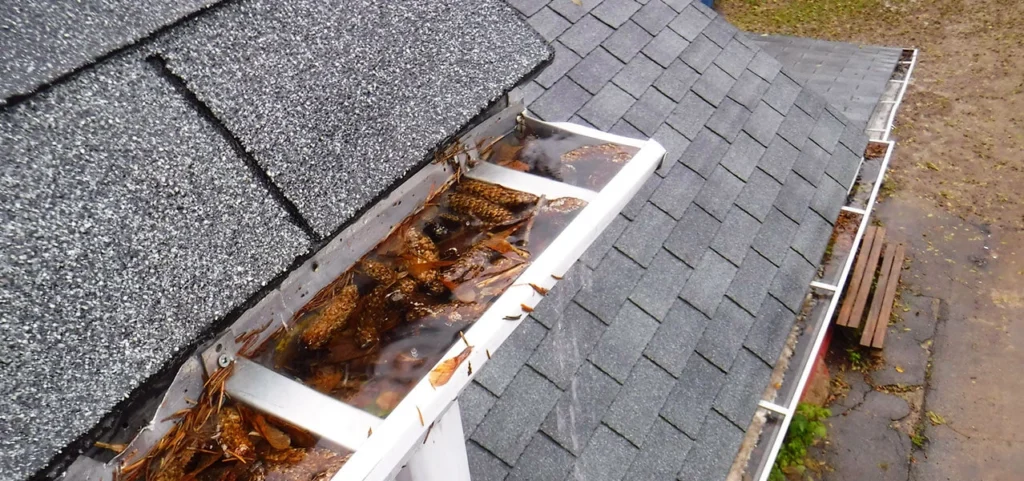
Is your home ready for fall rains and Chinook freeze-thaw cycles? Learn the critical signs your Calgary eavestroughs and downspouts need attention before winter hits.