Cabin Roof & Exterior Maintenance in Invermere & Windermere
Prepare your Columbia Valley property for winter weather. Discover key roof, gutter, and siding maintenance tips from Bears Valley Roofing.

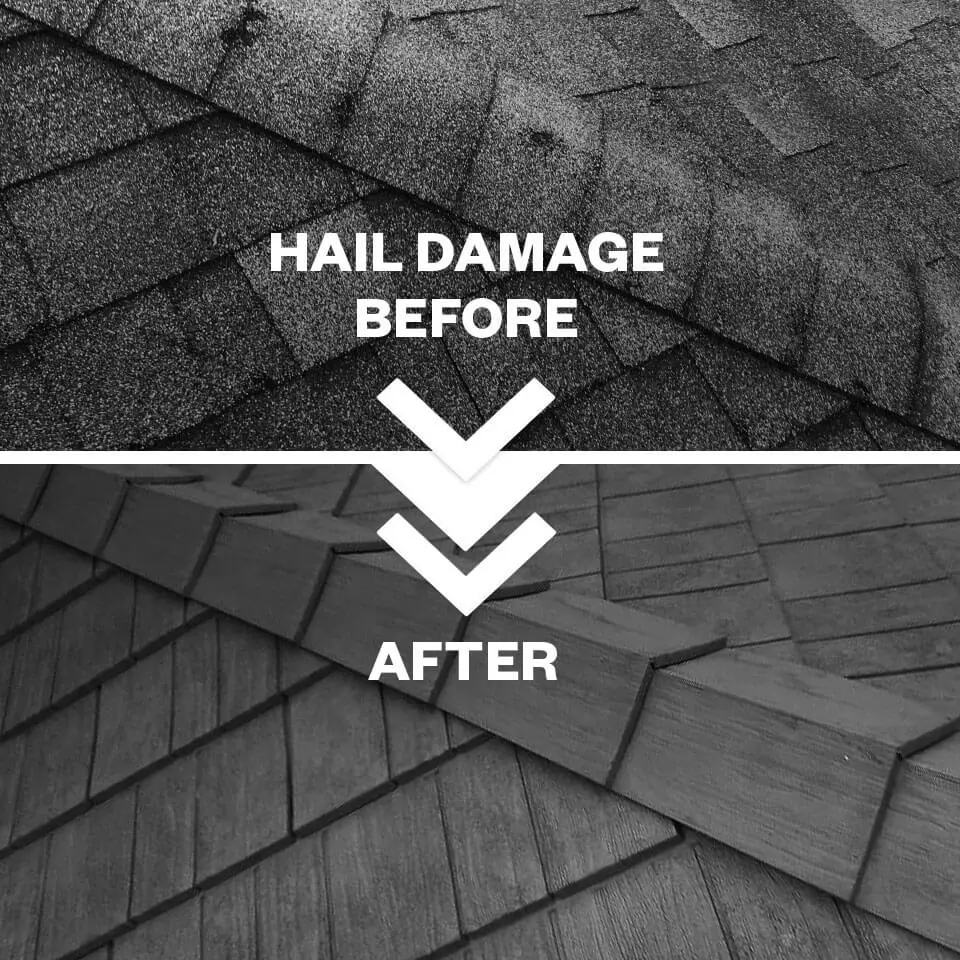
Calgary and the surrounding area are no strangers to severe summer storms. Known as part of Alberta’s infamous “Hailstorm Alley,” local homes regularly endure intense bombardment from heavy hail. After a major summer storm passes, many homeowners take a quick look at their roof, see no missing shingles or water dripping from the ceiling, and assume their property escaped unscathed.
Unfortunately, hail damage is rarely that obvious right away. Hail often leaves subtle, hidden damage that slowly weakens your roofing and exterior systems over time. If left unaddressed, these minor issues can turn into severe, structural leaks once winter arrives—often long after your insurance claim window has closed.
Understanding how to spot hidden hail damage, how Calgary’s unique winter climate interacts with compromised materials, and how to navigate the insurance process before your coverage expires is essential to protecting your home and your wallet.
When hail hits an asphalt shingle, it creates an impact point that breaks down the protective coating. Unlike wind damage, which tears shingles completely off the roof, hail causes localized impact bruises that break the bond between the asphalt granules and the fiberglass matting underneath.
Because these micro-fractures and bruised spots don’t always produce an immediate indoor leak, many homeowners wait months before noticing an issue. By the time a brown stain appears on your drywall, the damage has likely spread into your roof deck, attic insulation, and roof framing.
One of the biggest risks of unaddressed hail damage in Southern Alberta is how it interacts with Calgary’s winter weather patterns—specifically our famous Chinooks.
During the late autumn and early winter, water from rain or melting snow collects in the micro-cracks and bruised indentations left behind by summer hail. As temperatures drop overnight, this trapped water freezes and expands. This process, known as the freeze-thaw cycle, wedge-opens those small cracks, making them larger with every freezing night.
When a warm Chinook wind blows into Calgary, temperatures can surge by 15°C to 20°C in a matter of hours. This rapid warming causes several compounding issues:
By the time a winter Chinook exposes these vulnerabilities, the summer storm that caused the original damage may have occurred 6 to 8 months prior, bringing you dangerously close to insurance filing deadlines.
While shingles take the brunt of hail impacts, hail rarely hits a home selectively. To get a complete picture of potential hail damage, you need to inspect the entire exterior envelope of your home. Many non-roof components provide clear visual proof of hail strikes that insurance adjusters look for when evaluating a claim.
One of the most critical reasons to inspect your home immediately after a summer storm is the strict timeline enforced by insurance providers.
Most standard home insurance policies in Alberta require you to report storm damage within 12 to 24 months of the date of loss (the actual date the storm occurred). However, many insurance policies contain clauses requiring “prompt notification” once damage is discovered or reasonably discoverable.
If you wait until a winter leak appears to report damage from a storm that happened eight months earlier, your insurer may argue that the secondary damage (such as mold or rotted wood) was caused by neglect rather than the storm itself, potentially limiting your payout.
As roofs age, insurance policies in Alberta often shift how payouts are calculated:
If your roof is over 10 or 15 years old and you delay filing your claim, policy terms may automatically convert your coverage from RCV to ACV, or your insurer may apply heavy depreciation deductions. Filing your claim promptly ensures you maximize your policy benefits while full coverage applies.
Filing an insurance claim can feel overwhelming, but taking a proactive approach protects your investment and ensures your property is fully restored.
Step 1: Document the Date and Event
Note the exact date and approximate time of the severe weather event. Local weather reports, news articles, or hail tracking applications can help confirm that a verified hail event hit your specific neighborhood.
Step 2: Request an Independent Contractor Inspection First
Before calling your insurance company to open a claim, schedule a professional roof inspection with an independent, local roofing contractor. A qualified contractor will perform a thorough assessment, document all hidden damage with detailed photos, and tell you honestly whether the extent of the damage warrants filing an official insurance claim.
Step 3: Be Present During the Adjuster’s Walkthrough
When your insurance provider sends an adjuster to evaluate your property, ask your roofing contractor to attend the walkthrough as well. Having an experienced contractor present ensures that subtle, non-obvious damage—such as bruised underlayments, HVAC fin damage, or siding flange cracks—is properly pointed out and included in the adjuster’s scope of work.
If your insurance claim is approved and your roof requires partial or complete replacement, take the opportunity to upgrade your materials to better withstand future Alberta storms.
Standard asphalt shingles offer basic weather protection, but Class 4 Impact-Resistant shingles are specifically engineered to withstand heavy hail impacts. These shingles utilize polymer-modified asphalt (SBS) that acts like rubber, absorbing energy and flexing when hit by hail rather than cracking or losing granules.
Upgrading to Class 4 IR shingles not only protects your home against future hail events, but it can also save you money on ongoing home expenses. Many major home insurance providers operating in Alberta offer annual premium discounts ranging from 5% to 25% for homes fitted with certified impact-resistant roofing materials. Over the lifespan of your new roof, these premium savings can easily offset the cost of the material upgrade.
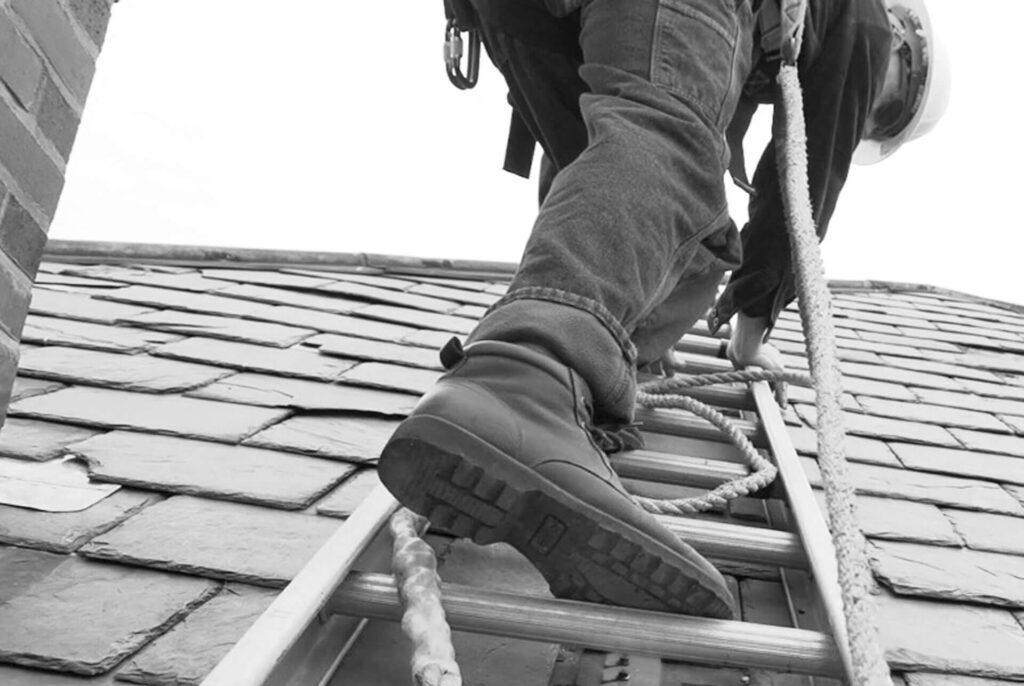
If you suspect your home was exposed to a severe summer storm, it is always best to let trained professionals handle the inspection process. Climbing onto a roof—especially one that may have loose asphalt granules or structural bruising—presents significant safety hazards.
You should contact a professional contractor immediately if you notice any of the following warning signs:
A professional roofing team will safely complete a multi-point exterior inspection, provide clear photo documentation of any hidden damage, and guide you through the process of protecting your home before claims expire.
Yes. Hail impacts often bruise shingles and create tiny micro-fractures in the underlying matting without puncturing the roof completely. Over time, sunlight degrades the exposed areas, and winter freeze-thaw cycles expand these micro-cracks. In Calgary, rapid melting during warm winter Chinooks frequently forces water through these pre-existing cracks, causing interior leaks long after the summer storm.
A claim is generally worthwhile if the hail has compromised the functional integrity of your roof or exterior envelope—such as creating widespread granule loss, bruising shingle underlayments, or cracking siding panels. An independent inspection by a qualified roofing contractor can help determine if the total repair cost exceeds your home insurance deductible before you open an official claim.
If you miss your policy’s specified filing window (typically 12 to 24 months from the storm date), your insurance company can legally deny your claim. Additionally, if unaddressed hail damage leads to secondary problems like attic mold, rotted roof decking, or structural leaks, your insurer may refuse to cover those repairs, classifying them as maintenance neglect rather than sudden storm damage.
Prepare your Columbia Valley property for winter weather. Discover key roof, gutter, and siding maintenance tips from Bears Valley Roofing.
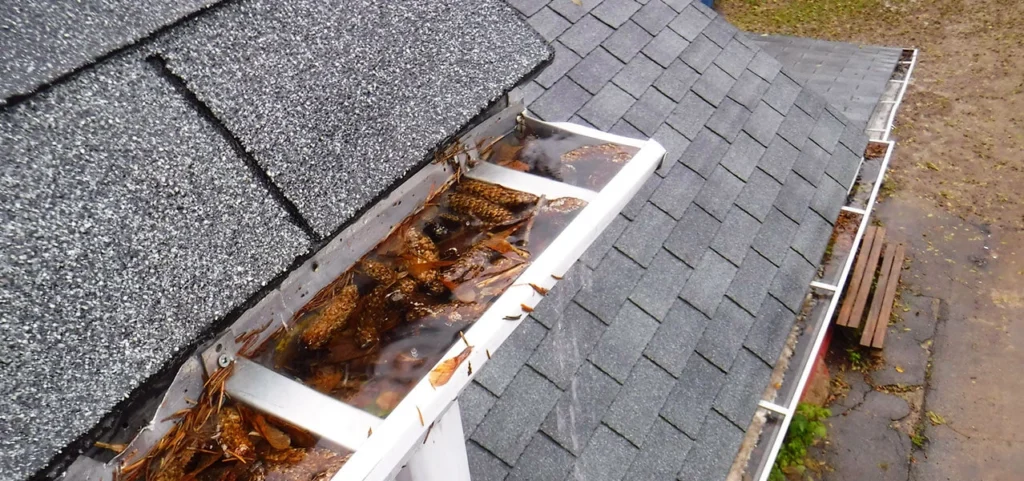
Is your home ready for fall rains and Chinook freeze-thaw cycles? Learn the critical signs your Calgary eavestroughs and downspouts need attention before winter hits.
Calgary homeowners: Discover why August and September are the most crucial months for a roof inspection. Learn about post-hail checks, thermal curing, and insurance deadlines.