Cabin Roof & Exterior Maintenance in Invermere & Windermere
Prepare your Columbia Valley property for winter weather. Discover key roof, gutter, and siding maintenance tips from Bears Valley Roofing.

The sound of summer in Southern Alberta is unmistakable. One minute you’re enjoying a sunny afternoon on the patio; the next, you’re listening to a deafening barrage of ice stones violently hammering your siding and windows.
If you live in Calgary, Airdrie, or Cochrane, you already know we sit right in the heart of Canada’s most active hail corridor. But while watching a major storm roll through is stressful, what you do in the immediate 48 hours after the ice stops falling is what really determines the financial health of your home.
In the chaotic aftermath of a storm, it’s easy to make hasty decisions. To help you cut through the panic, protect your biggest investment, and deal with insurers from a position of absolute strength, we’ve laid out the definitive 4-step post-hail action plan.
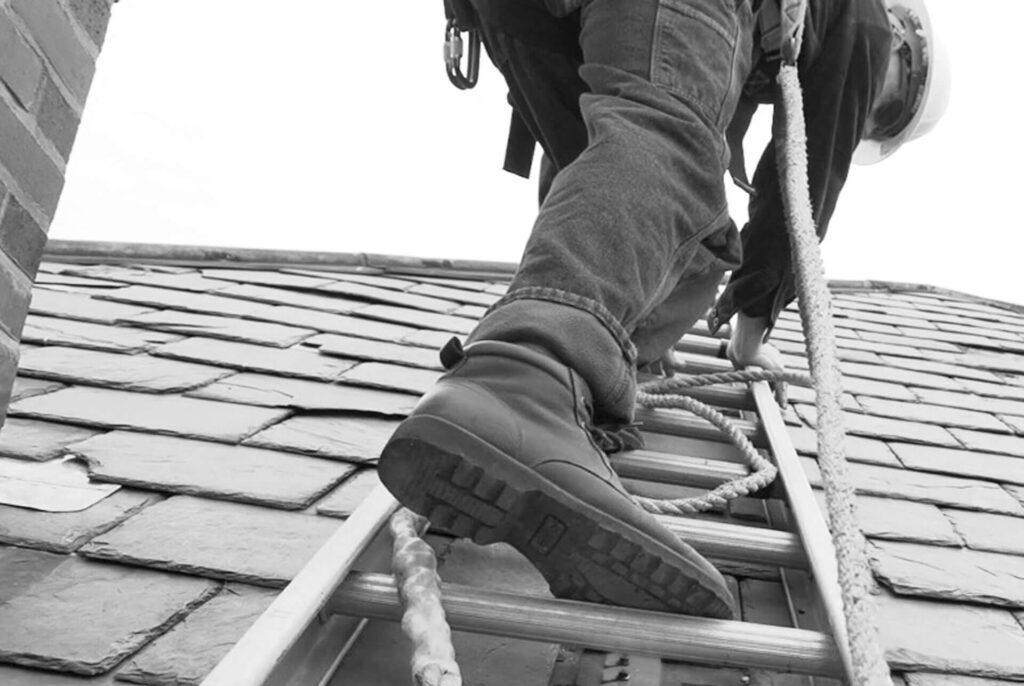
Your instinct might be to grab a ladder and climb onto the roof to inspect the shingles. Don’t. Wet, battered roofs are incredibly slick, and micro-fractures in structural components can make them unsafe. Leave the high-climbing to the professionals.
Instead, execute a thorough ground-level assessment. You can build an incredibly strong case for your future insurance claim entirely from safety of the ground by looking for what we call “surrogate indicators.” Take high-quality photos and videos of:
Shredded landscaping, stripped tree bark, and smashed patio furniture.
Cracked or punctured vinyl siding and shattered window trim.
The Soft Metals (Your Secret Weapon): Look closely at your metal downspouts, window wraps, and eavestroughs. If large hail left deep, unmistakable dimples in these metal surfaces, it proves the storm carried enough kinetic energy to fracture the underlying fiberglass mats of your asphalt shingles.
Local Tip: Write down the exact date and time of the storm, and if possible, snap a quick picture of a few hail stones next to a standard reference object like a loonie or a quarter.
Once you’ve documented the initial aftermath, your next move is to open up the Calgary 311 mobile app or call The City of Calgary directly to file a storm damage report.
Why involve the city? When thousands of localized reports flood into the 311 system, municipal emergency crews can rapidly map the hardest-hit communities. This data directly dictates where the city deploys neighborhood cleanup crews, tree-debris collectors, and emergency garbage bins to assist overwhelmed residents.
Immediately after reporting, check your home’s interior. Look in your attic space and top-floor ceilings for active water spots. Under standard Canadian property insurance guidelines, homeowners have a legal obligation to mitigate further loss. If you spot a leak, call a trusted local roofer to perform emergency tarping or minor patching to halt water intrusion before it ruins your drywall and insulation.
Do not blindly call your insurance claim center without doing your homework first. The Alberta property insurance market has shifted dramatically following consecutive years of multi-billion-dollar weather events. You need to know exactly what you are entitled to before the adjuster arrives at your property.
Pull up your policy declaration page and check for the payout structure on your roof system:
Replacement Cost Value (RCV): The ideal scenario. Your provider pays to replace your damaged roof at modern material and labor market rates.
Actual Cash Value (ACV): The “ACV Trap.” Many providers have quietly moved roofs older than 15 years to ACV coverage. This means they will heavily deduct depreciation based on the age of your shingles. If an $18,000 roof replacement is required, an ACV payout might only net you a fraction of that cost, leaving you to cover the remaining balance out of pocket.
Scan the fine print for any recent “Cosmetic Hail Damage Exclusions” or massive, separate weather deductibles (which frequently run anywhere from $2,500 to $5,000 in Calgary). Knowing these numbers prevents you from being blindsided by a lowball settlement letter.
Within a few hours of the clouds clearing, out-of-province “storm chasers” will flood hard-hit communities. These are transient sales outfits that use aggressive, door-to-door high-pressure tactics to get you to sign your insurance rights away on the spot. They chase the storm, collect the insurance payouts, sub-contract the actual labor to the lowest bidder, and vanish before the next winter hits.
Protect your home by putting every contractor through a strict local filter:
Do they have a physical, permanent office in Alberta? If their fleet trucks feature out-of-province plates, say no thank you.
Are they demanding a massive cash deposit upfront? Legitimate roofers don’t require huge sums of cash before materials are safely delivered to your driveway.
Are they trying to bypass local rules? Rest easy knowing that according to The City of Calgary guidelines, straightforward exterior material restorations—like swapping ruined siding panels or replacing compromised shingles with new ones—do not require a municipal building or development permit. A local, licensed team can get to work right away without being bogged down by city backlogs, backed by real, long-term warranties you can actually collect on if issues arise down the road.
Need an honest, local eye on your exterior? Avoid the high-pressure sales tactics. If your home was caught in the recent storm, contact the team at Bears Valley Roofing & Exteriors today for a transparent, insurance-ready professional inspection.
No. If you are doing straight material restoration—such as replacing damaged shingles with new ones or installing new siding—the City of Calgary does not require a development or building permit. Work can proceed as soon as your contractor is ready.
Under Alberta’s Consumer Protection Act, homeowners are protected by a "10-day cooling-off period." If you signed a direct sales contract from a door-knocker, you have the legal right to cancel the contract within 10 days without penalty or reason.
Hail is classified as an "Act of God" or a "not-at-fault" natural event. Insurance companies generally cannot raise your individual premium solely because you filed a hail claim. However, because Calgary experiences frequent catastrophic weather, regional premiums across the entire postal code may adjust over time regardless of whether you file.
Prepare your Columbia Valley property for winter weather. Discover key roof, gutter, and siding maintenance tips from Bears Valley Roofing.
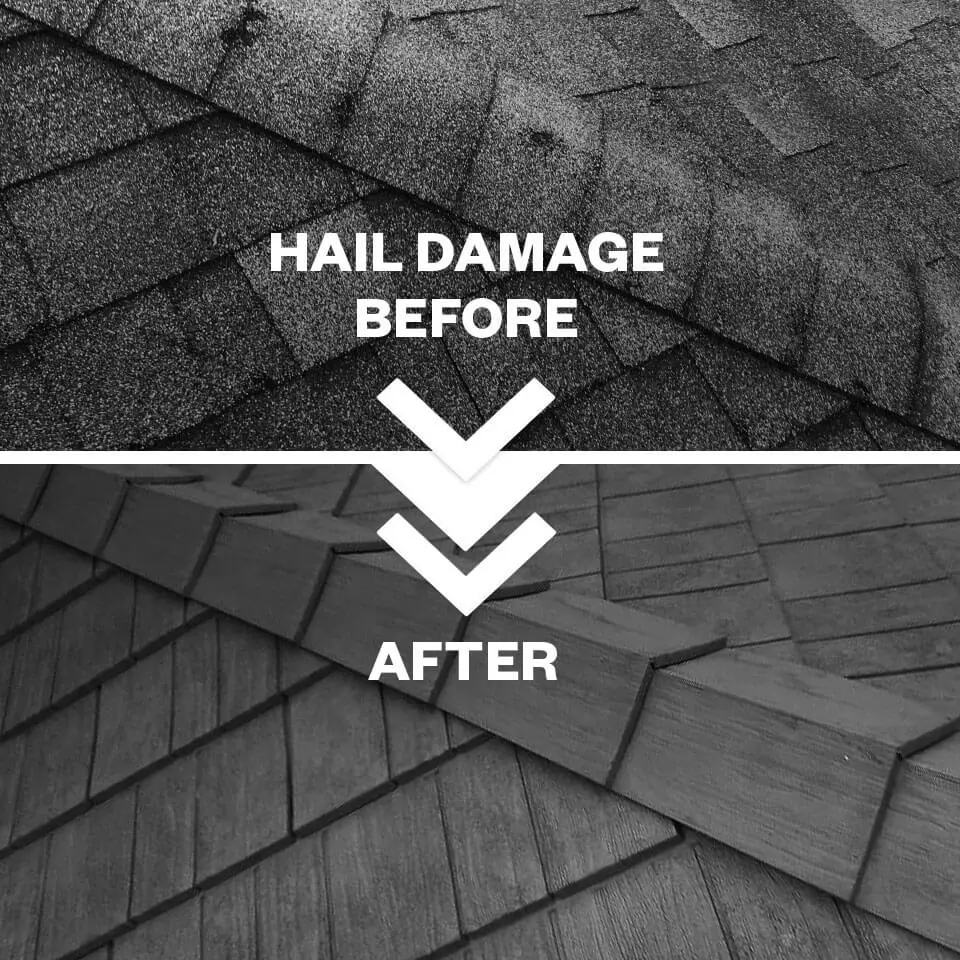
Did your Calgary home suffer hidden hail damage this summer? Learn what to look for, how Chinooks worsen roof leaks, and how to file before insurance claims expire.
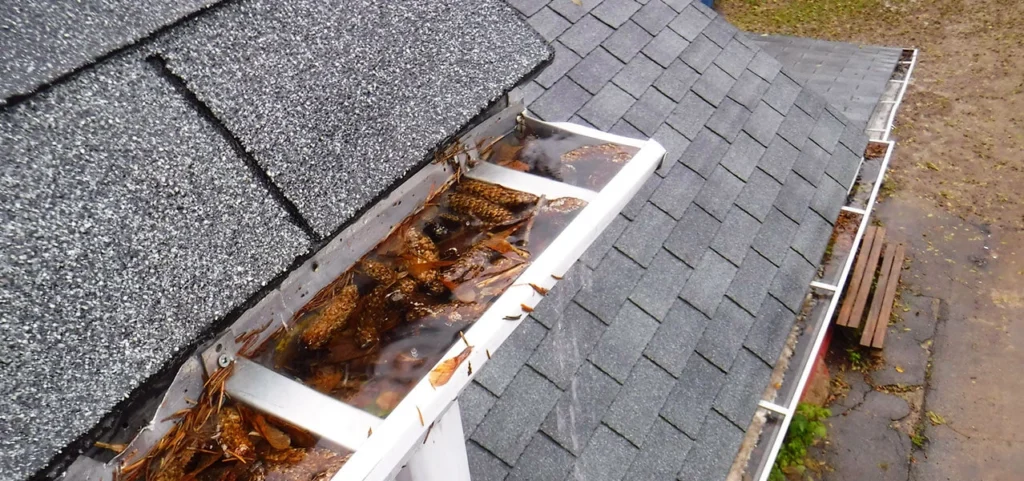
Is your home ready for fall rains and Chinook freeze-thaw cycles? Learn the critical signs your Calgary eavestroughs and downspouts need attention before winter hits.