Cabin Roof & Exterior Maintenance in Invermere & Windermere
Prepare your Columbia Valley property for winter weather. Discover key roof, gutter, and siding maintenance tips from Bears Valley Roofing.

If you live in Calgary, Airdrie, or anywhere along Southern Alberta’s notorious “Hail Alley,” you know exactly how quickly a bright summer afternoon can turn into a financial headache. One minute you are enjoying the sun, and the next, golf-ball-sized ice is battering your property.
Once the storm passes, a second, more exhausting storm begins: the insurance claims process.
As a homeowner, you are suddenly caught in the middle of conflicting opinions. Your local roofing contractor says your entire roof needs to be replaced. The independent insurance adjuster sent by your provider glances at it and claims it’s just “normal wear and tear.” Who is right? How do you break the deadlock and ensure your home is actually protected?
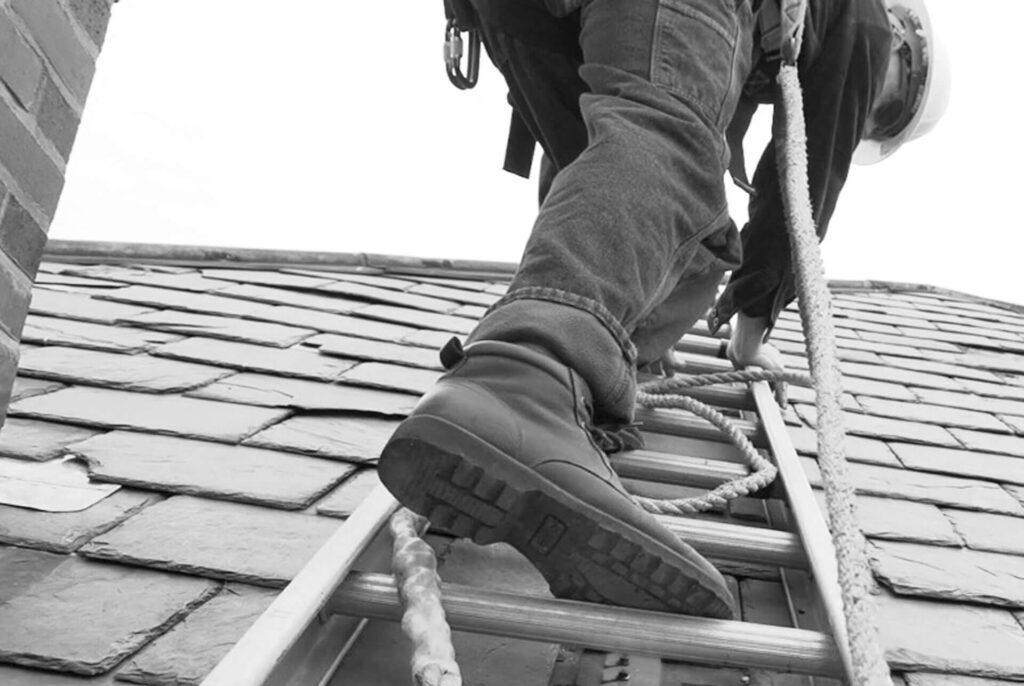
This is where a HAAG Certified Roof Inspector steps in. Far from being just another contractor with a ladder, a HAAG certified professional brings objective, forensic science to your roof asset.
Let’s pull back the curtain on what this certification actually means, the specific engineering framework behind it, and why having one on your side is the ultimate secret weapon for navigating an Alberta hail claim.
To understand the value of a HAAG Certified Inspector, it helps to understand who created the credential. Haag Global is a highly respected, independent American forensic engineering firm that has set the international standard for structural damage assessment since 1924. They aren’t manufacturers, and they aren’t insurance companies—they are scientists.
When a roofing professional earns a HAAG Certification, they have undergone rigorous, specialized training designed by forensic engineers. They don’t look at a roof and rely on a “gut feeling.” Instead, they are taught to scientifically determine whether a roof has sustained true, functional damage from an environmental event, or if the issues are cosmetic, manufacturing flaws, or simply the natural aging process of the materials.
Many roofing certifications can be bought over a weekend via a simple online video course and a credit card. HAAG is entirely different.
To even be permitted to sit for the HAAG Certified Inspector (HCI) residential course and examination, an individual must have a documented prerequisite of at least 100 comprehensive roof inspections under their belt.
This requirement ensures that your inspector already possesses a deep level of field experience. They aren’t practicing on your home; they are applying an elite level of forensic expertise to it.
When an uncertified roofer hops onto your home after a hailstorm, they often look for the most obvious signs of trouble—missing shingles, dented soft metals, or heavy granule accumulation in your gutters. While these are important indicators, they don’t tell the whole scientific story required by an insurance company to greenlight a full roof replacement.
HAAG inspectors use a highly standardized, legally defensible methodology to assess your roof slope by slope.
An inspector utilizing HAAG standards doesn’t just glance across your roof. On every major slope of your roof structure, they will physically map out a Test Square—a precise 100-square-foot grid (10 feet by 10 feet).
Within this specific square, the inspector performs a meticulous, inch-by-inch count of verifiable hail strikes. They look for a specific threshold of qualifying damage within that grid. If the number of structural hail impacts within the test squares meets or exceeds the thresholds established by major Canadian insurance underwriting standards, it provides clear, mathematical proof that the specific slope—or the entire roof—requires replacement.
Insurance policies are designed to cover functional damage—damage that compromises the water-shedding capacity of the roof or shortens its expected lifespan. They often explicitly exclude purely cosmetic damage (like slight discoloration).
A HAAG inspector is trained to find hidden functional failures that the naked eye often misses from the ground or during a rushed walk-through:
Filing a property claim in Alberta comes with its own unique set of regional rules and corporate hurdles. Having a HAAG report in your hand changes the dynamic of your claim in three massive ways.
When you file a hail claim, your insurance provider (such as Intact, Aviva, Wawanesa, or TD Insurance) sends out an insurance adjuster or a third-party adjusting firm.
Here is the insider reality: Major Canadian insurance companies train their own internal adjusters using the exact same HAAG Engineering frameworks.
If your roofing company submits a vague estimate that simply says, “Roof has hail damage, needs replacement: $14,000,” it will likely face intense scrutiny, delays, or outright denial. But when a HAAG Certified Inspector submits a report complete with mapped-out test squares, precise strike counts, slope-by-slope physics, and high-resolution macro photography of fiberglass fracturing, the insurance adjuster recognizes the methodology instantly. You are speaking their language, using their metrics, and presenting data using their exact standards. This drastically reduces friction and streamlines your approval.
The single most common reason hail claims are partially or fully denied in Alberta is the “pre-existing condition” argument. Adjusters frequently look at an older roof and claim that the cracks, missing granules, or blisters are simply due to Alberta’s extreme thermal cycles (the freezing and thawing of our brutal winters) or natural weathering.
Because HAAG inspectors are trained in forensic analysis, their reports explicitly isolate storm damage from regular aging. A HAAG report gives you an objective, unassailable piece of evidence. If an adjuster tries to claim your roof is just old, your HAAG report can gently but firmly counter that assessment with empirical data proving that the integrity of the material was compromised specifically by high-velocity kinetic impacts.
In Alberta, the Insurance Act typically dictates a two-year limitation period from the date of the storm event to fully settle a property damage claim or initiate formal legal proceedings if there is a dispute.
Two years sounds like a long time, but if your claim is mired in back-and-forth arguments, second opinions, and partial denials, that clock runs down incredibly fast. Getting a definitive, highly accurate HAAG assessment right out of the gate ensures your claim is submitted correctly the first time, preventing months of needless delays.
Following any major Alberta weather event, a predictable phenomenon occurs: out-of-province “storm chasers” flood the affected neighborhoods. These are fly-by-night operations that knock on doors, offer free inspections, push you to sign immediate authorization forms, and then disappear once they collect the insurance payouts—leaving you with subpar craftsmanship and no local warranty support.
Asking a contractor a simple question can protect your investment: “Are your inspectors individually HAAG Certified, and can I see their active certification credentials?”
Because HAAG certification requires substantial field experience and continuous recertification, storm chasers rarely hold this designation. Aligning yourself with a permanent, local Alberta roofing company that invests in keeping HAAG-certified professionals on staff ensures you are dealing with an ethical business committed to the community for the long haul.
A professional HAAG inspection is a structured, transparent process. Here is what a typical workflow looks like when an expert evaluates your home:
| Step | Phase | What Happens |
| 1 | Ground & Property Perimeter Check | The inspector examines your siding, downspouts, window screens, and garage doors for collateral hail damage to establish the storm’s direction and intensity. |
| 2 | Roof Overview & Slope Mapping | The inspector safely accesses the roof to evaluate the overall condition of the ventilation, valleys, and flashing. |
| 3 | Test Square Deployment | 10′ x 10′ test areas are measured out on the north, south, east, and west slopes to document localized impact counts. |
| 4 | Forensic Micro-Photography | Close-up photos are taken of shingle bruising, mat fractures, and compromised flashing using specialized lighting tools. |
| 5 | The Final Report Delivery | You receive a comprehensive, adjuster-ready assessment report detailing the exact scientific findings to submit directly to your insurance company. |
Your home’s roof is its primary shield against the unpredictable Alberta climate. When a severe hailstorm threatens that shield, navigating the insurance landscape shouldn’t feel like a game of chance.
By partnering with a professional who understands the exact engineering standards used by the insurance industry, you remove the guesswork. You gain peace of mind, a smoother claims process, and the assurance that your home will be restored to peak condition.
If your property has been hit by recent extreme weather, don’t leave your recovery up to a quick glance from the driveway. Reach out to us as your certified expert to secure a precise, professional look at your roof.
No. HAAG is an independent forensic engineering standard. A HAAG certified roof inspector can work for an independent engineering firm, a consumer advocacy group, or a high-end roofing contractor. When a local roofing contractor holds this certification, it simply means they have chosen to train their team to the highest scientific standard available so they can advocate for you effectively using verified facts.
Absolutely. If your claim was denied or underpaid, you have the right to request a re-inspection or enter into a dispute resolution process. Providing a comprehensive, data-driven report from a HAAG Certified Inspector gives your insurance provider a clear reason to reopen the file. It shifts the conversation from an emotional argument into a review of objective, empirical evidence.
While some specialized forensic engineering firms charge premium independent fees for a standalone legal report, many reputable, local Alberta roofing companies provide HAAG-certified physical assessments as part of their comprehensive storm-restoration services. It is always best to ask your local provider upfront about their report packaging options.
Prepare your Columbia Valley property for winter weather. Discover key roof, gutter, and siding maintenance tips from Bears Valley Roofing.
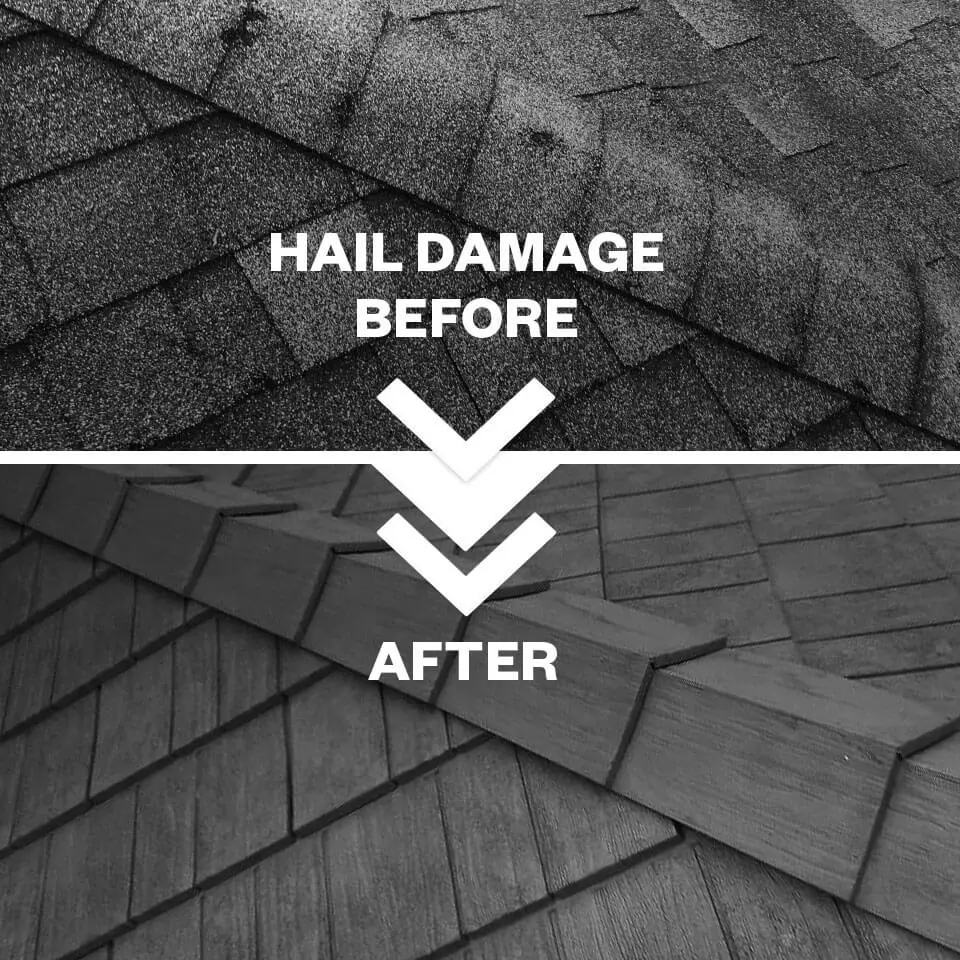
Did your Calgary home suffer hidden hail damage this summer? Learn what to look for, how Chinooks worsen roof leaks, and how to file before insurance claims expire.
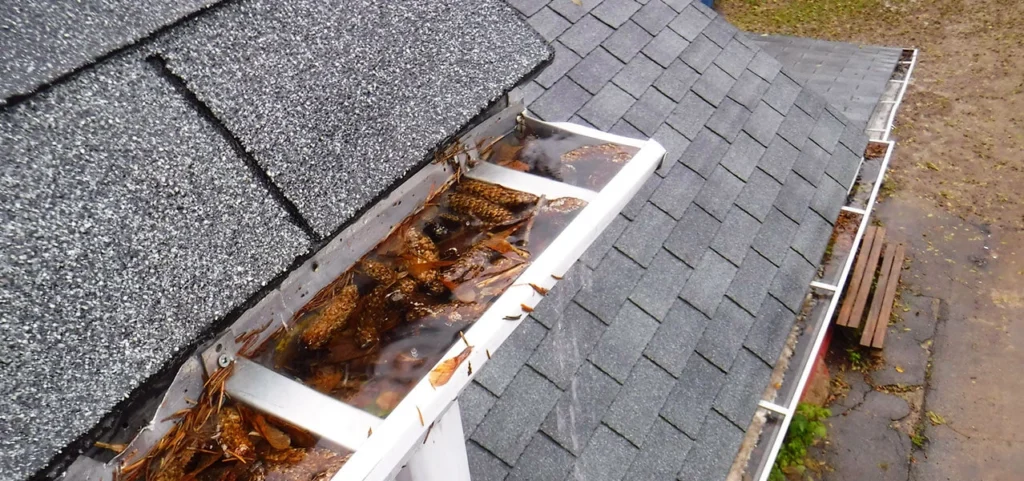
Is your home ready for fall rains and Chinook freeze-thaw cycles? Learn the critical signs your Calgary eavestroughs and downspouts need attention before winter hits.