Cabin Roof & Exterior Maintenance in Invermere & Windermere
Prepare your Columbia Valley property for winter weather. Discover key roof, gutter, and siding maintenance tips from Bears Valley Roofing.

Investing in a new roof is one of the single largest financial commitments you will make as a Calgary homeowner. Whether you were replacing hail-battered architectural shingles or upgrading your home’s curb appeal, a fresh installation brings peace of mind. You expect decades of protection against Alberta’s notoriously aggressive weather.
However, a new roof is not an isolated unit. It operates as part of a larger water shed system. The most critical partner in that system is your eavestrough network.
When homeowners replace a roof, they frequently reuse their existing eavestroughs to save on upfront costs. Alternatively, roofing contractors may install fresh drip edge flashing without assessing whether the current gutter pitch and sizing can handle the revised shedding rate. The result? Failing, mismatched, or misaligned eavestroughs start silently degrading brand-new shingles, rotting edge decking, and risking your manufacturer warranty within 12 to 24 months.
Here are five subtle warning signs that your eavestroughs are actively damaging your new roof investment—and what you can do to fix them.
One of the most dangerous forms of water damage is the kind you cannot see from your driveway. If you notice dark stains on your wooden fascia boards, peeling paint along the back wall of your gutters, or water dripping down your exterior siding during light rainfall, you are experiencing back-feeding.
During a roof replacement, contractors install a metal drip edge along the roof eaves. This L-shaped metal strip directs water away from the roof deck directly into the trough.
If your old eavestroughs are bent, sagging, or mounted slightly too low, a gap forms between the drip edge’s hemmed edge and the back of the trough. Rainwater does not drop into the eavestrough; surface tension forces it to curl backward via capillary action, flowing down behind the trough.
Imagine getting a brand-new roof in autumn and finding your eavestroughs overflowing during the first spring rain—even though you cleaned out all the fallen leaves months ago. When you look inside, you find a dense, mud-like sludge sitting along the bottom of the channel.
Brand-new asphalt shingles are coated in mineral granules designed to shield the asphalt core from ultraviolet rays. During manufacturing, packaging, and the installation process, thousands of loose granules remain on the shingle surface.
Over the first 6 to 12 months after installation, rain washes this excess layer off your roof. This initial burst of heavy, coarse material drops straight into your eavestrough system.
Calgary presents a severe micro-climate challenge for residential roofing systems. The region regularly experiences Chinook winds—rapid weather changes where temperatures jump from -20°C to +10°C in hours, followed by a swift overnight drop back into deep freeze territory.
During a Chinook thaw, snow on your warm roof deck melts rapidly. The water flows down to the cold eavestrough overhang. If your gutters have a poor pitch, clogged downspouts, or lack adequate depth, this runoff stalls inside the cold trough channel.
When the temperature drops overnight, that trapped water freezes and expands exponentially.
The Ice Wedge Threat: As ice fills the trough, it has nowhere to go but up. It forms an upward-growing “ice wedge” that physically creeps under your bottom shingle course, breaking the factory heat-seal strip and pushing past the self-adhering ice and water shield membrane.
Discovering water spots on your top-floor ceiling after investing in a new roof is frustrating. Homeowners typically assume the roofing crew made a mistake installing shingles or flashing around vents. In reality, a large percentage of spring interior water spots are caused by eavestrough back-feed.
Use this rapid visual checklist to identify whether your interior leak stems from primary shingle failure or eavestrough backup:
| Diagnostic Indicator | Primary Roof/Shingle Leak | Eavestrough Back-Feed |
| Leak Location | Middle of room, near chimney, or around skylights/plumbing stacks | Outer perimeter walls, soffits, or window frames |
| Timing | During active, heavy rainfall | During spring snowmelt or after sustained freezing weather |
| Exterior Clue | Missing, cracked, or misaligned shingles overhead | Large icicles forming behind fascia or through soffit vents |
| Attic Inspection | Damp insulation directly beneath high roof deck points | Frost accumulation on the lower roof edge sheathing (eaves) |
When an eavestrough fills with ice or heavy debris, melting snow from the roof cannot drain. Water pools in the trough and backs up under the soffit, spilling into your home’s roof overhang. From there, it runs along the top plates of your exterior walls and down into your drywall.
If you notice sheets of water cascading over the outer edge of your eavestroughs during short, intense summer rainstorms, your gutters are likely suffering from a capacity conflict.
If your home previously had thin 3-tab shingles and you upgraded to dimensional architectural shingles, the runoff profile of your roof changed:
Unmanaged overflow dumps hundreds of liters of water directly alongside your foundation, causing soil erosion, basement dampness, and localized splash-back that discolors siding and rots lower roof fascia.
Many homeowners do not realize that major shingle manufacturers (including GAF, Owens Corning, and CertainTeed) as well as local roofing contractors include specific clauses in their warranty documentation regarding standing water management.
If water rots your roof deck because an uncleaned or improperly installed eavestrough backed up, the damage may be classified as an external drainage failure—rendering warranty claims null and void.
While it is not strictly mandatory, replacing eavestroughs alongside a new roof is strongly recommended. Installing both systems together ensures that the drip edge flashing, ice and water shield, and gutter profile align perfectly. It also saves on total labor costs compared to hiring crews twice.
Measure the distance across the top opening of your gutter from the back edge attached to the fascia to the outer rolled front lip. A standard residential trough measures 5 inches across, while high-capacity commercial and modern residential upgrades measure 6 inches.
No. Standard manufacturer material warranties cover defects in the shingles themselves (such as premature granule loss or thermal cracking). Contractor workmanship warranties cover installation errors on the roof plane. Damage caused by backing-up water from improperly maintained or blocked eavestroughs is classified as a maintenance issue and is excluded from coverage.
Prepare your Columbia Valley property for winter weather. Discover key roof, gutter, and siding maintenance tips from Bears Valley Roofing.
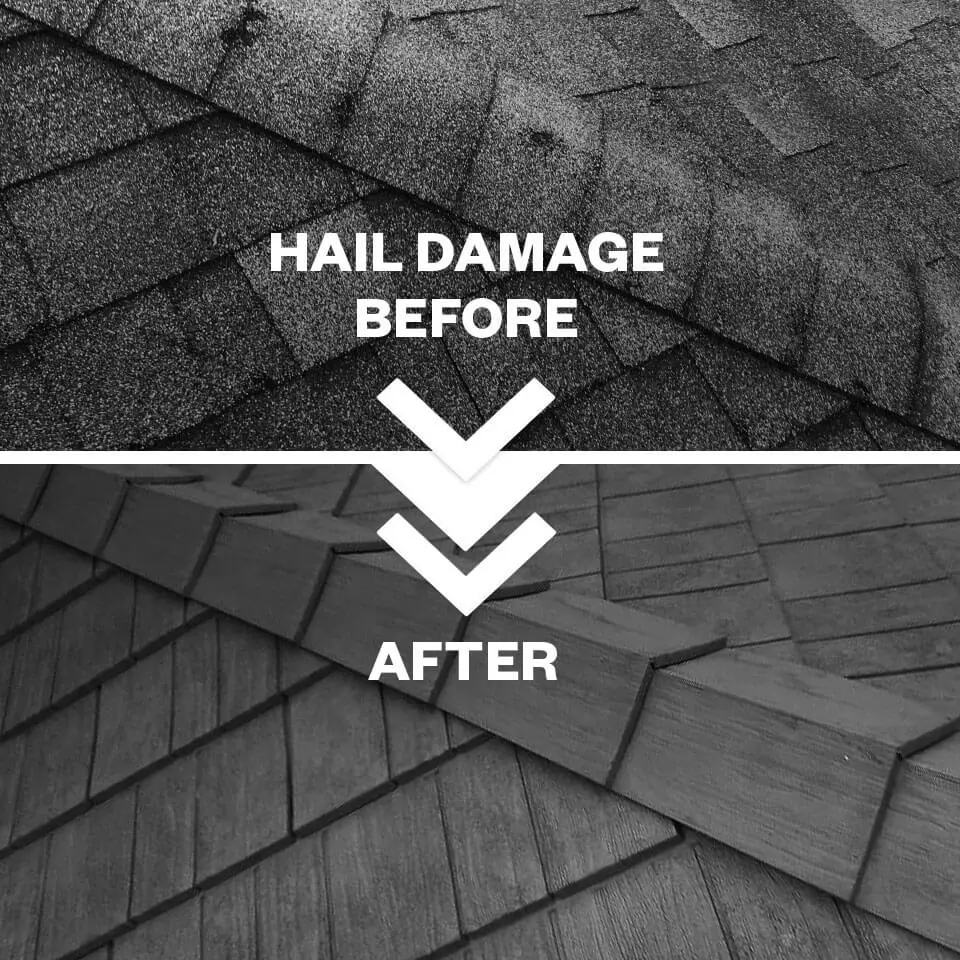
Did your Calgary home suffer hidden hail damage this summer? Learn what to look for, how Chinooks worsen roof leaks, and how to file before insurance claims expire.
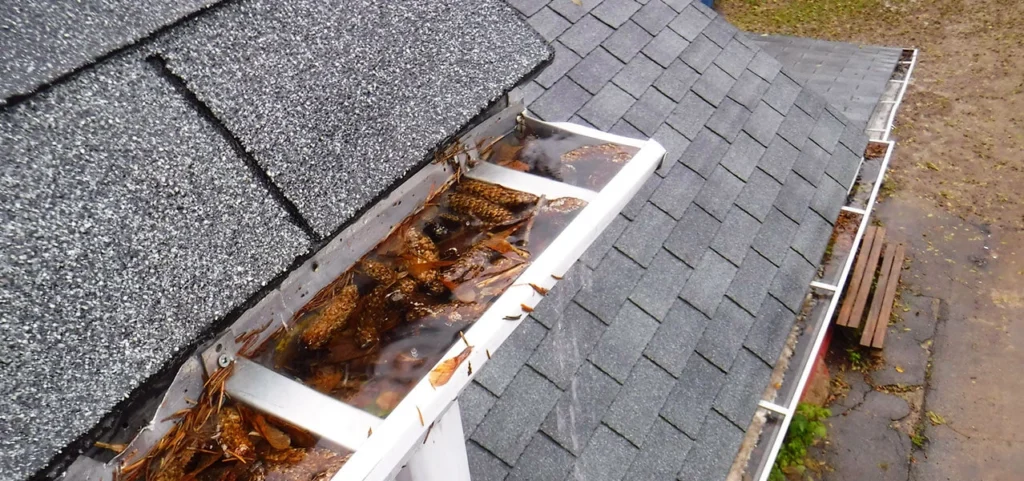
Is your home ready for fall rains and Chinook freeze-thaw cycles? Learn the critical signs your Calgary eavestroughs and downspouts need attention before winter hits.