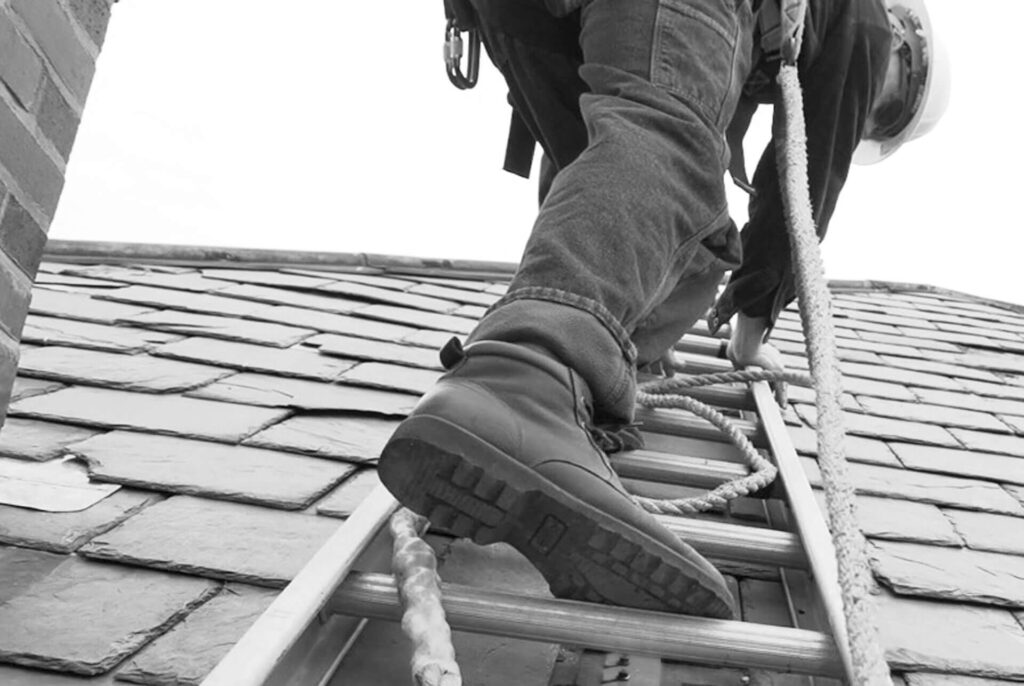
Cabin Roof & Exterior Maintenance in Invermere & Windermere
Prepare your Columbia Valley property for winter weather. Discover key roof, gutter, and siding maintenance tips from Bears Valley Roofing.

Your home is likely the largest investment you will ever make, and the exterior siding is the first line of defense protecting that investment. While curb appeal often drives the initial decision-making process, the durability and maintenance requirements of the material you choose are far more critical to the long-term health of the structure.
Selecting the wrong material can lead to a cycle of constant scraping, painting, and repairing rot. Conversely, choosing a durable, low-maintenance material can save you thousands of dollars and countless hours of labor over the lifespan of your home. This guide analyzes three of the most resilient exterior material options available today to help you make an informed decision for your climate and budget.
Fiber cement has earned a reputation as a top-tier choice for homeowners seeking longevity without the susceptibility to rot found in traditional wood siding. Composed of a blend of cement, sand, and cellulose fibers, this material is engineered to withstand harsh environments while mimicking the look of wood clapboard, shingles, or stucco.
The primary advantage of fiber cement is its resistance to the elements that typically destroy wood. It is impervious to termites and woodpeckers, and it does not rot when exposed to moisture. Furthermore, fiber cement is non-combustible. It carries a Class A fire rating, making it a prudent choice for homes in areas prone to wildfires.
While fiber cement is often sold as “low maintenance,” it is not “no maintenance.”
Vinyl siding remains the most popular exterior cladding in North America, largely due to its affordability and ease of care. Modern vinyl is significantly improved over the plastic-looking versions of the past, offering better texture and fade resistance.
Vinyl is essentially a plastic product (PVC), which means it will never absorb water, rot, or flake. It creates a water-resistant barrier that sheds rain effectively. Quality vinyl siding can last between 20 to 40 years depending on the gauge (thickness) of the material.
However, vinyl does have limitations. It has lower impact resistance than other materials; a stray baseball or a heavy hailstorm can crack the panels, especially in cold weather when the plastic becomes brittle. It is also sensitive to extreme heat and can melt if placed too close to a barbecue grill or if subjected to concentrated reflections from energy-efficient windows.
Vinyl is perhaps the easiest material to clean, but technique matters.
Once reserved for barns and commercial buildings, metal siding has moved into the residential market with sleek, modern designs. It is available primarily in steel and aluminum.
Metal siding is exceptionally long-lasting and fire-resistant. It does not mold or rot.
Regardless of which material you choose, every exterior surface requires a basic level of attention to reach its maximum lifespan.
Selecting the best exterior material is a balance of your specific climate risks and your budget.
By understanding the strengths and maintenance needs of these materials, you can ensure your home remains beautiful and structurally sound for decades to come.
Fiber cement and metal siding are the top choices for homes in fire-prone zones. Fiber cement carries a Class A fire rating and is non-combustible. Similarly, metal siding (specifically steel and aluminum) is highly fire-resistant and does not ignite, offering superior protection compared to vinyl or wood.
To maintain its appearance and durability, fiber cement siding should be cleaned every 6 to 12 months. A simple cleaning routine using a soft brush or wet soft cloth helps remove dirt, dust, and environmental contaminants. It is also important to regularly inspect the caulking around windows and trim, as this sealant may need replacing before the siding itself.
While vinyl is extremely low-maintenance, it requires some care to reach its full lifespan of 20 to 40 years. It should be washed annually with a garden hose and mild detergent to remove grime. However, homeowners should avoid high-pressure washing, which can drive water behind the panels, and keep heat sources like barbecue grills at a safe distance to prevent melting.
Prepare your Columbia Valley property for winter weather. Discover key roof, gutter, and siding maintenance tips from Bears Valley Roofing.
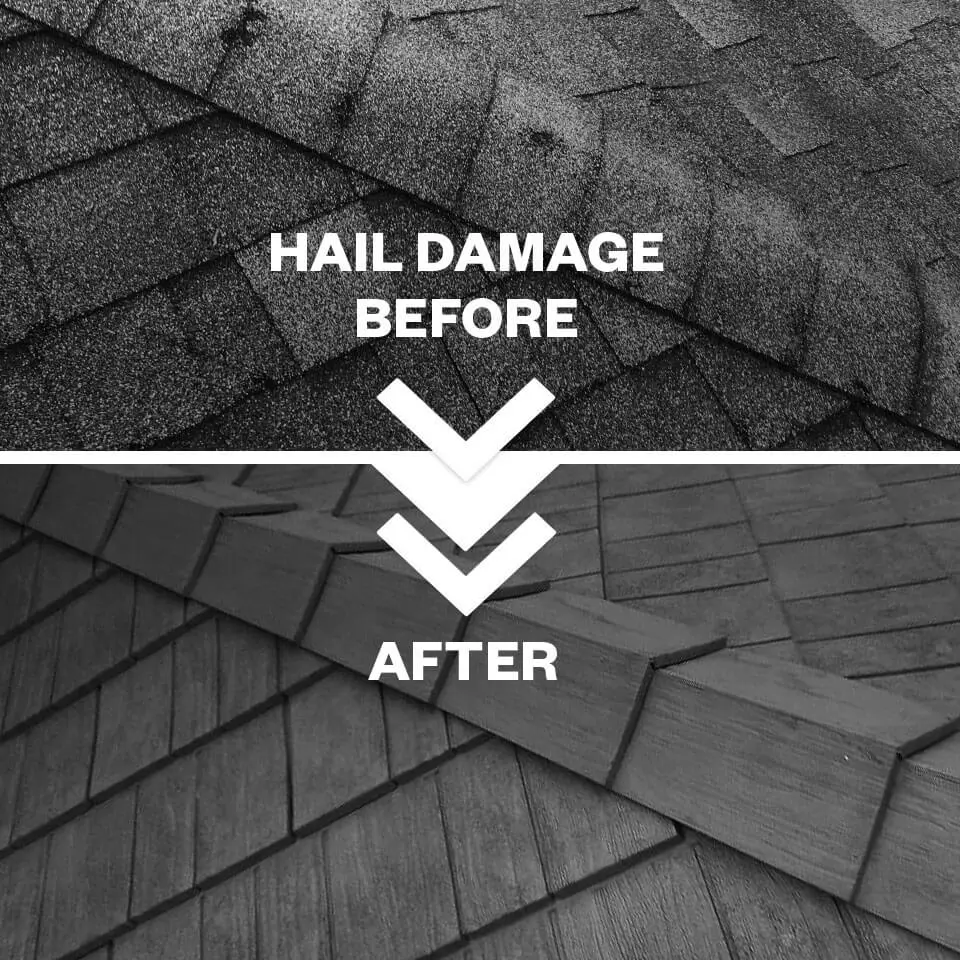
Did your Calgary home suffer hidden hail damage this summer? Learn what to look for, how Chinooks worsen roof leaks, and how to file before insurance claims expire.
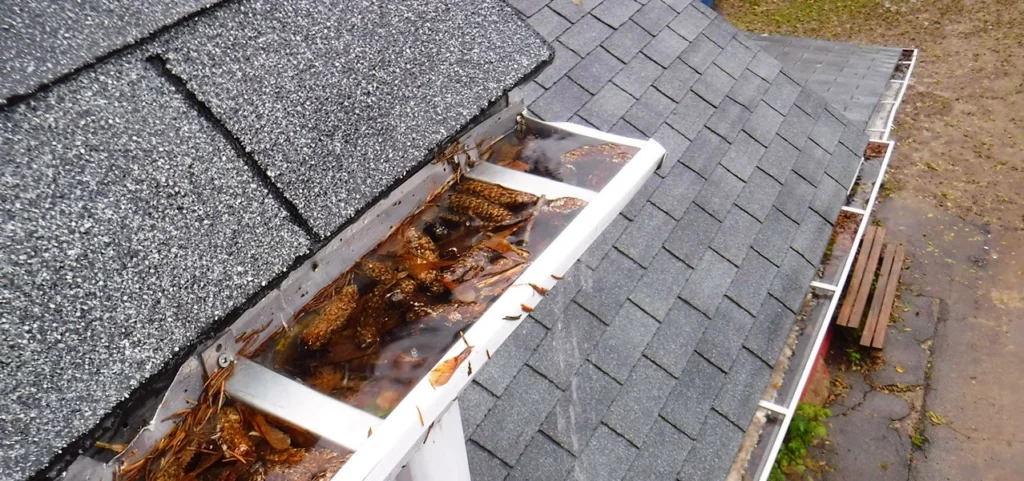
Is your home ready for fall rains and Chinook freeze-thaw cycles? Learn the critical signs your Calgary eavestroughs and downspouts need attention before winter hits.