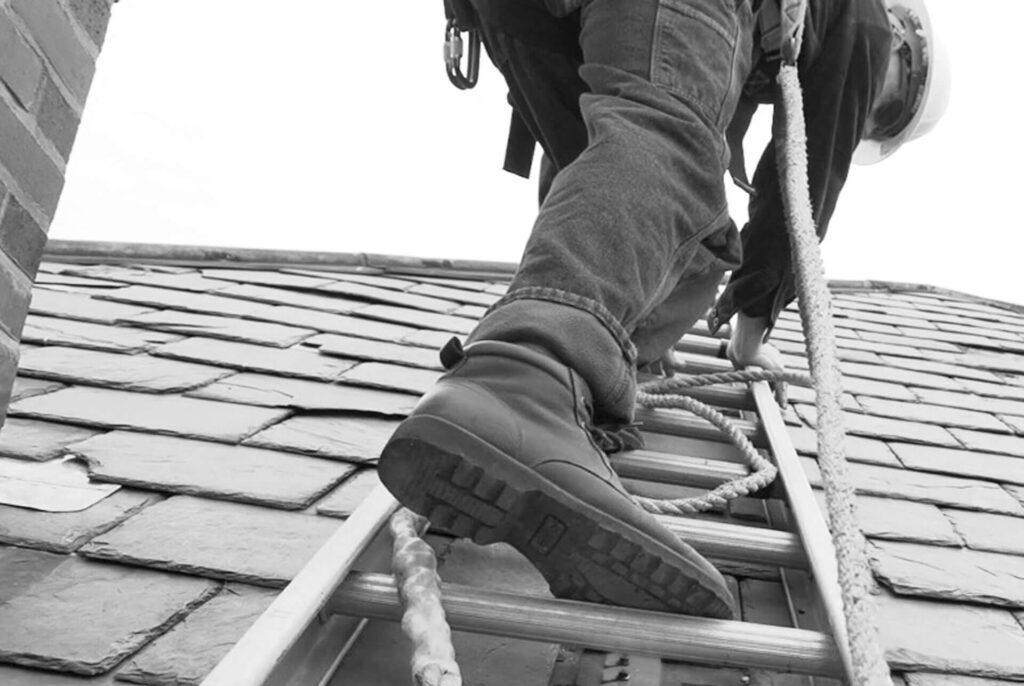
Cabin Roof & Exterior Maintenance in Invermere & Windermere
Prepare your Columbia Valley property for winter weather. Discover key roof, gutter, and siding maintenance tips from Bears Valley Roofing.


When you think about protecting your home from the harsh Western Canadian elements, your mind likely jumps to the obvious contenders: a sturdy roof, high-quality siding, and double or even triple-paned windows. While these are critical, two unsung heroes work quietly along your roofline to keep your home dry, ventilated, and pest-free.
Soffit and fascia are often treated as purely decorative trim, the finishing touches that give a house its curb appeal. But in climates like Calgary and Invermere—where temperature swings can be drastic and snowfall is heavy—these components are structural necessities. They form the frontline defense against water damage, ice dams, and unwanted attic guests.
Understanding how your roof system works is the first step in preventing costly repairs down the road. If you’ve ever noticed peeling paint near your gutters or felt a draft in your attic, you might be overlooking the critical role of your eaves. This guide breaks down exactly what soffit and fascia do, why they are vital for homes in our region, and how to spot trouble before it becomes a disaster.
To understand their importance, we first need to identify where they are and what they do. Together, soffit and fascia seal the envelope of your home where the roof meets the exterior walls.
The fascia is the long, straight board that runs along the lower edge of the roof. It is fixed directly to the lower ends of the roof trusses and usually does all the heavy lifting. Your gutters are typically mounted to the fascia, meaning it must be strong enough to hold gallons of water during a heavy downpour or the weight of melting snow.
While traditionally made of wood, modern fascia is often constructed from aluminum or vinyl to resist rot and reduce maintenance. Its primary job is to create a barrier that prevents moisture from entering the roof deck while providing a smooth, finished look to the roof’s edge.
The soffit is the exposed surface beneath the overhanging section of a roof eave. If you stand directly under your roof overhang and look up, you are looking at the soffit.
Unlike fascia, which is solid, soffit is often vented. This design is intentional and critical. It acts as the air intake for your attic’s ventilation system, allowing cool, dry air to enter the roof space while blocking rain and snow. Without this airflow, your attic can become a hotbox of moisture and heat, leading to a host of structural issues.
Homeowners in Calgary and Invermere face a unique set of meteorological challenges. We experience everything from scorching dry summers to deep freezes and heavy snow loads. Here is why your soffit and fascia are your home’s best defense against our climate.
In Western Canada, the freeze-thaw cycle is relentless. One of the biggest threats to roofs in our region is the formation of ice dams. These occur when heat escapes from your living space into the attic, warming the roof deck and melting the snow on top. As the meltwater runs down to the colder eaves, it refreezes, creating a dam that traps water behind it.
Properly vented soffits regulate the temperature in your attic. By allowing cold outdoor air to circulate under the roof, they keep the roof deck cool, preventing the snow from melting unevenly. This simple airflow mechanism can save you thousands of dollars in roof repairs and water damage.
Ventilation is a balancing act. While your roof vents allow hot air to escape, soffit vents provide the necessary intake of fresh air. Without this continuous cycle, condensation can build up in your attic.
In our climate, warm, moist air from cooking and showering rises into the attic. If it can’t escape, it condenses on cold surfaces, soaking your insulation and promoting mold growth. Wet insulation loses its R-value (thermal resistance), making your home harder to heat in the winter and cool in the summer. Functional soffits keep your attic dry and your insulation effective.
During a cold snap, local wildlife—from squirrels to wasps—look for warm places to nest. A rotting fascia board or a loose soffit panel offers an inviting entry point. Once inside, pests can wreak havoc on wiring and insulation. Robust aluminum or vinyl soffit and fascia systems are difficult for animals to chew through, effectively sealing your home against intrusion.
Because they are high up and out of direct sight, these components are easy to ignore until failure occurs. Keep an eye out for these red flags during your seasonal inspections.
If you have wooden fascia, peeling paint is often the first sign of trouble. It indicates that moisture is penetrating the wood. If left unchecked, this leads to wet rot, compromising the strength of the board and potentially causing your gutters to sag or detach.
Take a look at your soffit panels. Are the vents clogged with dust, paint, or insulation? Blocked vents suffocate your attic. If you notice a spike in your heating bills or see ice dams forming frequently in winter, blocked soffit intake vents are a likely culprit.
Strange noises in the attic or visible nests in the corners of your eaves are clear indicators of a breach. Check for gnaw marks or bent panels where animals might have forced their way in.
Water stains on your interior walls or ceilings near the edge of the house often point to a fascia failure. When the fascia rots, water can bypass the gutter system and seep into the wall cavity.
A little preventative maintenance goes a long way in extending the lifespan of your exterior trim.
When it comes time to replace or upgrade your system, material choice is paramount. While wood offers a classic look, it requires regular scraping and painting. For the Western Canadian climate, aluminum and vinyl are often the superior choices. They are impervious to rot, withstand severe temperature fluctuations without warping, and require virtually no maintenance.
If you reside in Calgary or Invermere, look for contractors who understand local building codes and climate-specific needs. A professional installation ensures that the ventilation calculation is correct—balancing intake and exhaust to keep your home breathing properly.
Questions to ask potential contractors:
Your home’s exterior is a complex system where every part relies on the other. Soffit and fascia are more than just cosmetic trim; they are essential components that protect your roof structure and attic health. By keeping moisture out and ensuring proper airflow, they defend your home against the specific challenges of Western Canadian weather.
Don’t wait for a leak to remind you to look up. If you suspect your eaves are compromising your home’s efficiency or safety, it is time to act.
Concerned about the state of your eaves? Contact us today to schedule a comprehensive inspection of your Calgary or Invermere home.
Common signs of trouble include peeling paint or visible rot on wooden boards, sagging gutters, and water stains on your interior walls or ceilings. You should also watch for increased pest activity or ice dams in the winter, which often indicate that your soffit ventilation is blocked or the fascia is failing.
While wood provides a traditional aesthetic, it requires high maintenance to prevent rot. For the climate in Calgary and Invermere, aluminum and vinyl are generally superior. These materials are resistant to rot, can handle extreme temperature swings without warping, and require very little upkeep.
Yes. Your soffits provide critical intake ventilation for your attic. When vents are clogged by dust or insulation, your attic can't "breathe," leading to heat buildup in the summer and moisture issues in the winter. This lack of airflow forces your heating and cooling systems to work harder, driving up your utility costs.
Prepare your Columbia Valley property for winter weather. Discover key roof, gutter, and siding maintenance tips from Bears Valley Roofing.
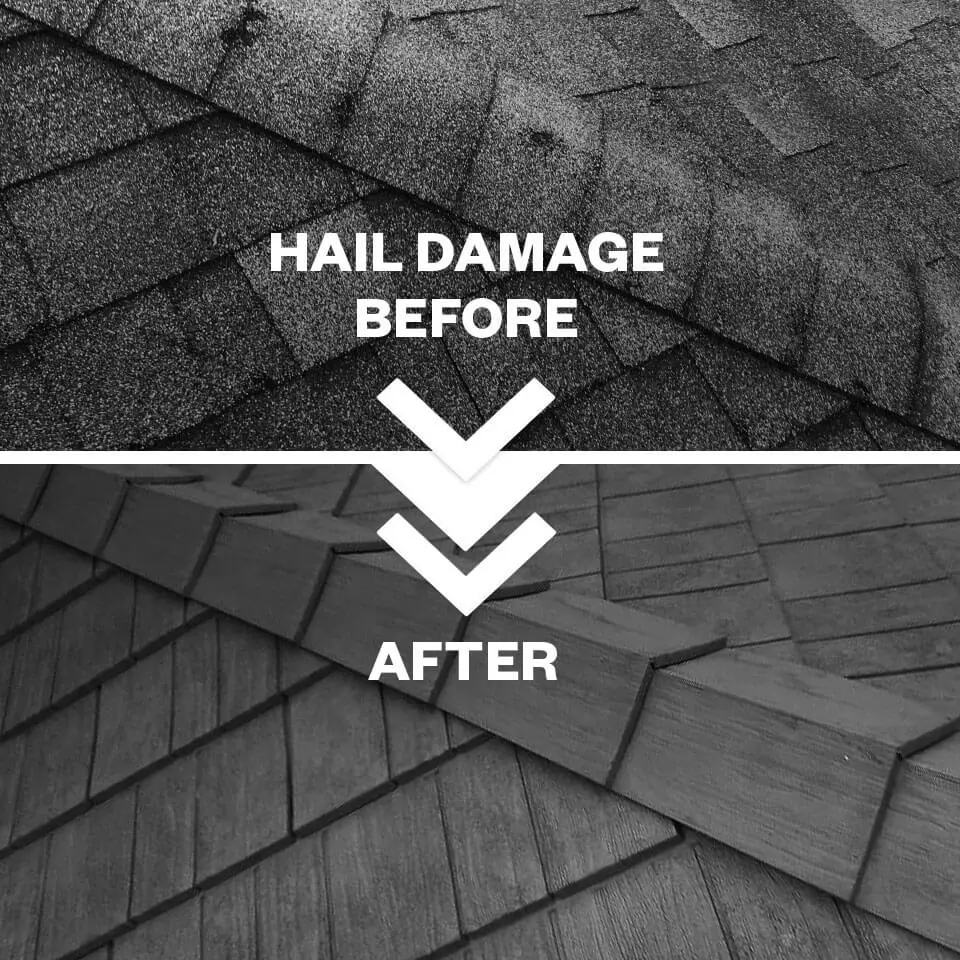
Did your Calgary home suffer hidden hail damage this summer? Learn what to look for, how Chinooks worsen roof leaks, and how to file before insurance claims expire.
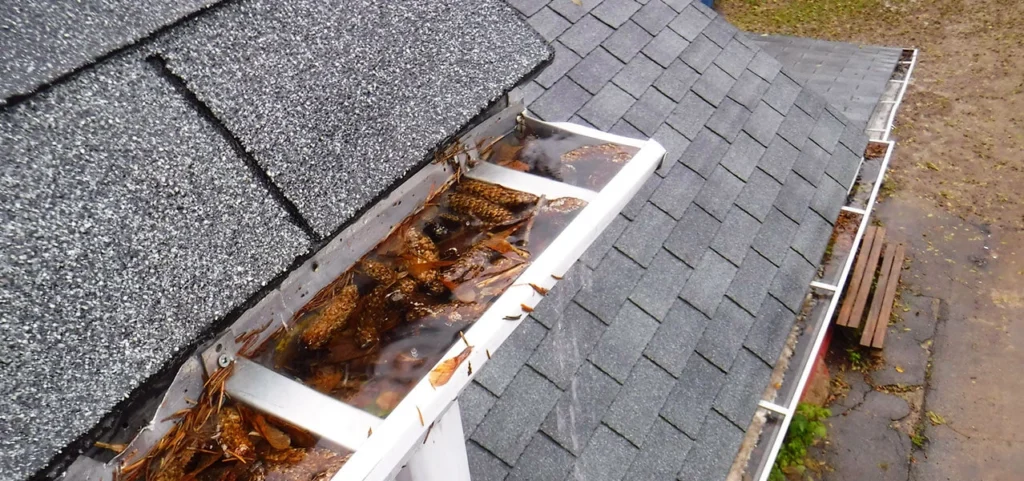
Is your home ready for fall rains and Chinook freeze-thaw cycles? Learn the critical signs your Calgary eavestroughs and downspouts need attention before winter hits.