
Discover the benefits of metal roofing for Canadian winters. Learn how its durability, snow-shedding ability, and energy efficiency protect your home.
Continue reading
Discover the benefits of metal roofing for Canadian winters. Learn how its durability, snow-shedding ability, and energy efficiency protect your home.
Continue reading
Discover 5 roofing upgrades that cost extra but pay off in the long run for Canadian homeowners. Learn which ones to choose and which to skip in 2025.
Continue reading
Learn about metal roofing benefits, and materials. Is a durable and energy-efficient metal roof the right choice for your home? Find out here.
Continue reading
Learn about the types and classes of asphalt shingles, including their impact resistance, wind resistance, and benefits, to make the right choice for your roof.
Continue reading
Asphalt shingles are one of the most popular roofing materials in Alberta. They offer an attractive balance of affordability, durability, and ease of installation. But if you’re a homeowner in Alberta, you may find yourself wondering just how long your asphalt shingles will last, especially given the province’s unique weather conditions.
Understanding the lifespan of asphalt shingles is essential for planning roofing maintenance, budgeting for future replacements, and ensuring your home remains protected. This post will explore the factors affecting shingle longevity, compare lifespans across different shingle types and roofing materials, and provide tips for maximizing your roof’s lifespan.
Alberta’s climate and other external conditions play a critical role in determining the lifespan of asphalt shingles. Here are the most important factors to consider:
Alberta’s weather is known for its temperature extremes and unpredictable conditions, and this greatly impacts roofing longevity. Asphalt shingles here are often exposed to:
Temperature Fluctuations: Alberta experiences temperature swings that can range from blistering summer heat to freezing winters. This constant contraction and expansion can weaken shingles over time.
Snow and Ice: Accumulated snow and ice can lead to moisture infiltration if shingles are not properly installed or maintained. Ice dams are a particularly significant threat.
Hailstorms: Alberta is one of Canada’s hail hotspots, often referred to as “Hailstorm Alley.” Hail can dent, crack, or puncture shingles, significantly reducing their lifespan.
Not all asphalt shingles are created equal. Higher-quality shingles, especially premium or architectural ones, are more resistant to wear and tear. Similarly, professional installation ensures that shingles are laid properly, reducing the risk of premature damage. Improper installation, on the other hand, can lead to issues like poor sealing and misalignment.
Regular inspections and maintenance can significantly extend the life of your roof. By identifying and fixing minor issues, such as missing or curled shingles, you can prevent larger problems like leaks and structural damage.
The slope and direction of your roof affect how it’s exposed to sunlight and weather elements. Roofs with a steeper pitch tend to shed snow and rain more efficiently, while certain orientations may receive more direct sunlight, which can accelerate wear.
The lifespan of asphalt shingles can vary depending on the type you choose. Here’s a breakdown of the three main types available:
Lifespan: 15–30 years
Overview: These are the most basic and affordable asphalt shingles. They are thin, lightweight, and have a flat, uniform appearance.
Pros: Low cost, easy to install.
Cons: Less durable than other types and more susceptible to severe weather conditions like hail.
Lifespan: 20–30 years
Overview: These shingles are thicker and more durable. They feature a layered design, giving them a dimensional appearance that mimics the look of wood or slate.
Pros: Better durability and aesthetic appeal.
Cons: Higher upfront cost.
Lifespan: 25–40 years
Overview: Premium shingles are the highest quality asphalt shingles available, designed to offer superior performance and aesthetics.
Pros: Long lifespan, exceptional durability, and enhanced protection against extreme weather.
Cons: Significantly more expensive than other types.
While asphalt shingles are a popular choice, it’s worth considering how they compare to other roofing materials in terms of lifespan and cost:
|
Material |
Lifespan |
Pros |
Cons |
|
Metal Roofs |
40–70 years |
Durable, eco-friendly, excellent in snow and hail-prone areas. |
High cost, noisier in rain/hail. |
|
Wood Shingles |
~30 years |
Natural aesthetic, good insulation. |
High maintenance, fire risk. |
|
Clay Tile Roofs |
50–100 years |
Exceptional durability, fire-resistant. |
Expensive, heavy, complex installation. |
|
Slate Tile Roofs |
75–200 years |
Premium look, long-lasting. |
Extremely high cost, very heavy. |
|
Rubber Roofs |
30–50 years |
Affordable, lightweight, resistant to leaks and cracks. |
May fade over time, limited aesthetic variety. |
While asphalt shingles may not last as long as metal or tile roofs, they are more affordable and easier to maintain, making them an excellent choice for most Alberta homeowners.
While Alberta’s climate can be tough on your roof, there are proactive steps you can take to maximize the lifespan of your asphalt shingles:
Schedule annual roof inspections to identify and address potential problems early. Look for missing, cracked, or curled shingles, as well as signs of mold, moss, or algae growth.
A well-ventilated attic prevents excessive heat buildup, which can weaken shingles and cause premature aging. Ensure your roof has adequate ventilation to protect both the shingles and the underlying structure.
Quickly address any damage caused by hail, snow, or high winds. Replacing individual shingles or repairing a small section can save you from costly full-roof replacements down the line.
Proper installation is crucial for maximizing the durability of your asphalt shingles. Always work with experienced and reputable roofing contractors to ensure the highest quality workmanship.
For Alberta homeowners, asphalt shingles offer a compelling combination of affordability, versatility, and performance. While they may have a shorter lifespan compared to other roofing materials, regular maintenance and timely repairs can ensure they provide reliable protection for two to four decades.
When it’s time for roof replacement or maintenance, be mindful of choosing the right type of shingle and working with roofing professionals who understand Alberta’s unique climate challenges.
If you’re ready to prepare your home for long-lasting durability, start by working with us, your expert roofing company.. A little investment in quality and maintenance today can save you from larger expenses tomorrow.
The next hail storm can hit when we least expect it – get your home protected by impact-resistant shingles. Impact-resistant roofing material is often referred to as “IR” roofing shingles, they are designed to help minimize roof damage during severe weather conditions. Hail resistant roofing shingles can more effectively extend the lifespan of your roof.
Hail can come at any time during the warmer months and can cause serious damages to your home’s roof. Calgary has had five damaging hail storms between 2010 and 2020 and is Canada’s No. 1 city for hail according to the Western Financial Group. Your choice of roofing shingles will play a critical role in protecting your home from the elements.
Let’s explore Hail Resistant Roofing available now – we will provide some opinions on specific materials and which one will protect your home from the elements. Impact-resistant shingles have a rating of Class 1 through Class 4.
Hail resistant roofing material in Class 4 impact-resistant rating is hitting the North American market by storm and has been tested to withstand the harsh impact hailstones can have on your home’s roof.
Here is the breakdown of the various roofing non-impact-resistant material shingles can be made of and how the engineering has evolved in the materials used. As a result you will know and understand more about the technology behind these impact-resistant shingles, how they will protect your roof, and what class of impact rating they possess.
Even when you look at a clay tile roof you can admire how lavish they look but also you may consider the fragility of the clay shingles. For one they are a bit impractical for snow and hail prone regions and the on-going maintenance can lead to fractured tiles. So you can imagine the damage that hailstones at high-velocity winds can cause. Wood shingles and shakes better, but as wood ages it becomes more brittle and can split, making the roof more susceptible to hail damage, wind uplift, and moisture damages. Similar to wood, asphalt shingles initially fare well against hail, but shingles wear out quickly and become increasingly likely to damage from small hailstones.
Durability and longevity are essential components of a hail-resistant roof. This is why metal roofing is considered one of the best roofing materials for hail-prone regions. It’s also one of the main reasons metal is used so frequently on commercial buildings and industrial facilities. But industrial standing-seam or corrugated metal roofs lack the aesthetic elements that most homeowners require. The choice of material will also impact ease of installation. All asphalt shingles are reasonably easy to install for most roofers, along with rubber, while metal can be more technical.

Shingles that can withstand steel balls that are 31.8 mm or 1.25 inches in diameter
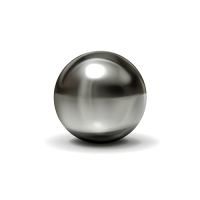
Shingles that can withstand steel balls that are 38.1 mm or 1.5 inches in diameter

Shingles that can withstand steel balls that are 44 mm or 1.75 inches in diamete
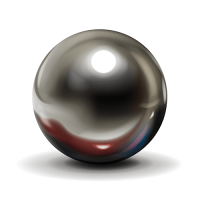
Shingles that can withstand steel balls that are 50.8 mm or 2 inches in diameter
Based on their resistance to the impact of steel balls dropped from varying heights. A UL2218 Class 4 Impact Rating is the highest possible rating for impact resistance.
During this testing method, a steel ball is dropped from a specified height onto an installed roofing shingle several times. The shingle is then turned over and inspected for any breaks or cracks that could potentially allow water to leak through.
The Class 4 test simulates the damaging impact of a 2” hailstone by dropping a 2” steel ball onto the same spot twice from 20’ high. In order to achieve a Class 4 rating, the roofing material cannot exhibit any signs of fracture.
While Class 4 is the highest rating for impact resistance, there are also lower ratings a shingle can receive, such as Class 3 and Class 2. The difference between the ratings is that Class 3 shingles withstand a smaller steel ball dropped from a lower height, and likewise for Class 2.
The best protection is found in metal, rubber and tile roofs, followed by those with Class 3 or Class 4 high-impact-resistant shingles.
Class 4 roofing shingles are considered to be a premium product and, therefore, may cost more than standard, non-impact resistant shingles. However, due to the various benefits of Class 4, impact-resistant shingles, the extra cost upfront may be a worthwhile investment if you live in an area where hail and wind storms frequently occur.
If you live in a hail-prone region in Central-Alberta such as Red Deer, Edmonton and Calgary, now is the ideal time to upgrade your roof to a more resistant material. We hope that this
Hail Resistant Roofing Shingles in Calgary are available now to be installed to best protect your roof. We trust that we have provided some opinions on these innovative materials and which one will protect your home from the elements. Hailstorms come at any time and can cause destruction, consider installing Impact-resistant shingles in Class 4 rating.
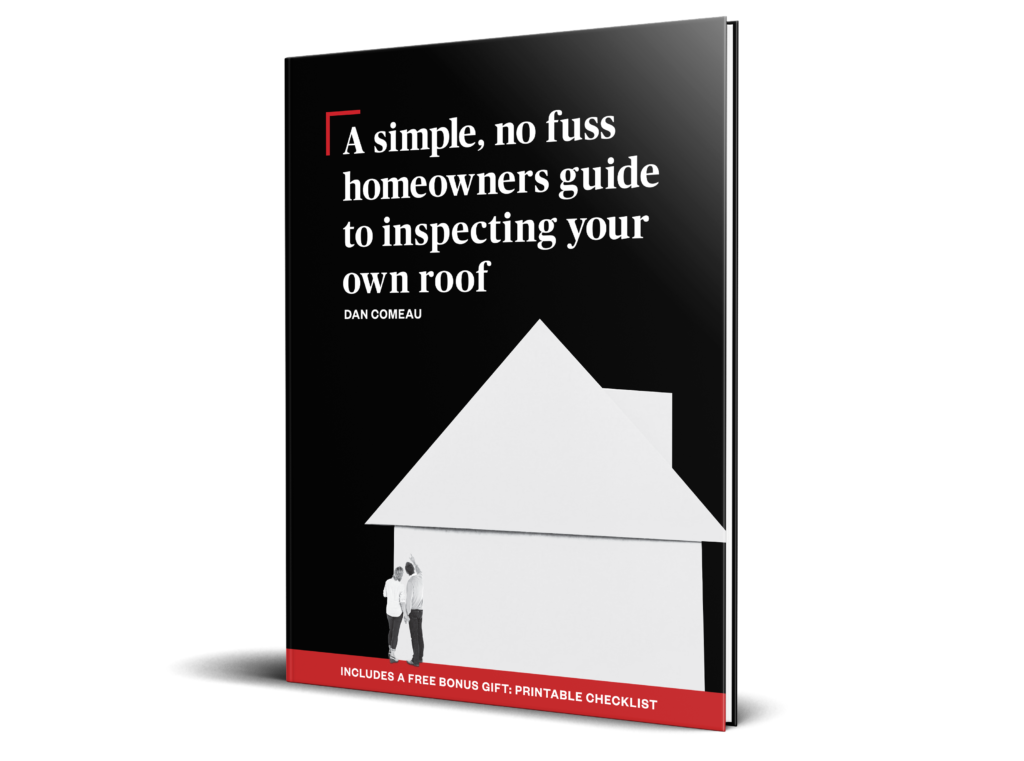
To learn more about your home get your free copy of: A Simple, No Fuss Homeowners Guide to Inspecting Your Own Roof
Whether you are updating your existing roof or in the market to install a new one, weighing out the positives and negatives of each type of material is important to know that you are making the best choice for your home. Your roofing contractor must have the proper preparation for the installation and be knowledgeable about each type of material used before you commit to the type of roof.
The functionality and lifespan of a roof depend on many factors such as manufacturing, maintenance, and installation. The roof’s style and the architecture of the building have an impact on durability and longevity but not as much as the material has. The main factor that should always be in consideration is the climate that your roof is installed in and materials can perform differently under those variables. The climate in Canada can vary and more specifically Calgary weather can be unpredictable and damages can go unnoticed. This is why it is important to know what material works best for Canadian homes due to each of the materials performing differently under various extreme weather conditions such as rain, hail, UV rays, and snow.
Choosing the right material for your home can significantly increase the longevity of your roof and add value to your home. It can also be a great time to upgrade your home’s curb appeal and style. Below you will learn about different roof types in Canada and go over some of the pros and cons of each material.
Below is the top six roof types in Canada:
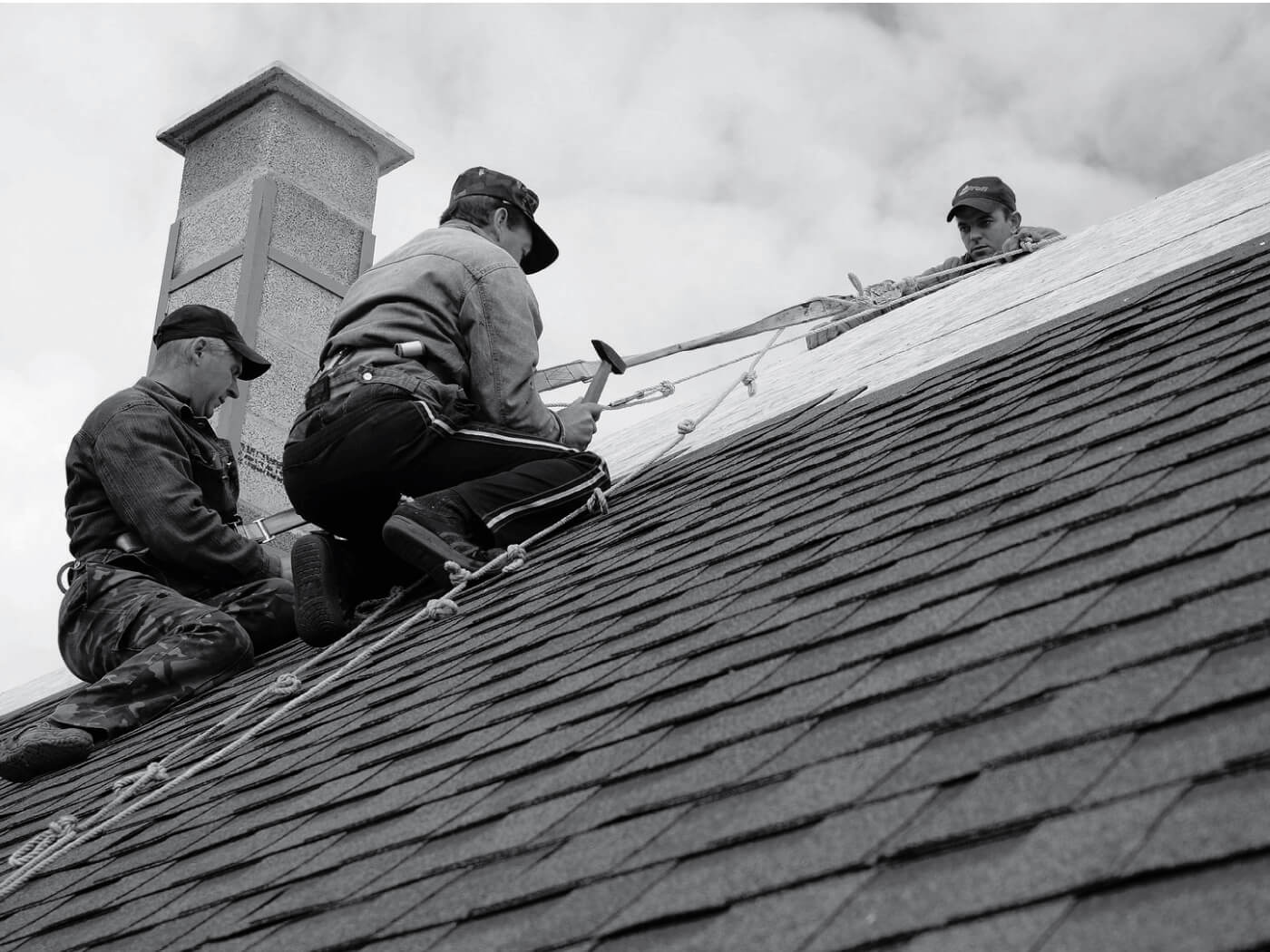
Asphalt shingles are the most common type of residential roofing material used in Canada. They have now been reinforced with fibreglass material, which increases the longevity of the product.
There are two types of asphalt shingles: architectural and designer. Architectural shingles are among the highest quality roofing products made. They are made up of heavy fibreglass mat base and ceramic-coated mineral granules that are tightly embedded that enable them to be water-resistant. Designer shingles are inspired and made to look like other roofing materials like slate. Some can have different tones and colour depths that are not commonly found in architectural shingles.
Pros: Asphalt shingles are the most economical roofing product in Canada. They have the lowest supply and installation cost of all roofing material and are easy to install. Asphalt shingles are environmentally friendly and can be recycled and reused many times. The colour choices are endless and come in different shapes.
Cons: This product has the shortest life span of all the roofing materials as it only lasts 10- 25 years. Asphalt does not provide any insulating effects and can reflect solar energy in the winter. Expect to have little pebble-like granules that can fall into the gutter when they are exposed to hail.
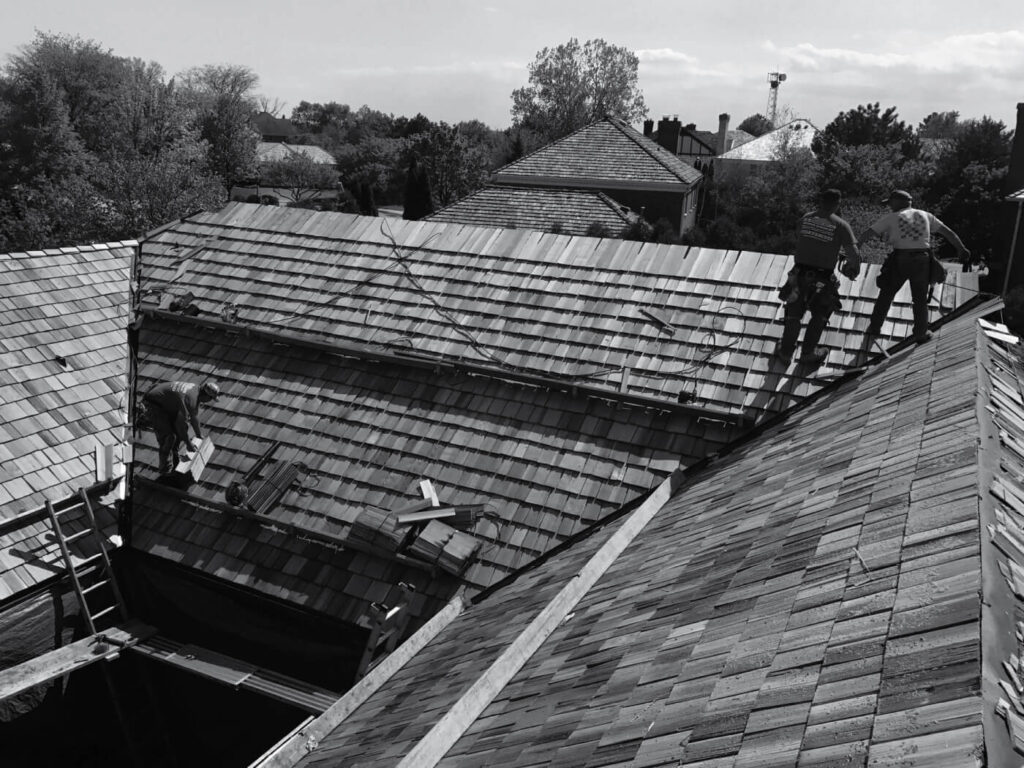
Also known as cedar shakes, are basically shingles made from wood. Coming in at the second most common type of roofing material in Canada, wood shingles are an aesthetically pleasing option and can add a unique look to your home. Wood shakes have been around for hundreds of years, and come in many many shapes, stains and sizes. Typically in North America shakes are made from Red Cedar.
Pros: Can give any home a natural and rustic look. You will most likely have some jealous neighbours because of the aesthetically pleasing appeal.
Cons: The greatest negative of wood roofing is that it comes with a great cost. It is one of the most expensive roofing materials to install as it can be three times the cost of asphalt shingles. It can also be subject to mold and mildew if improperly placed and is mostly definitely not fire resistant.
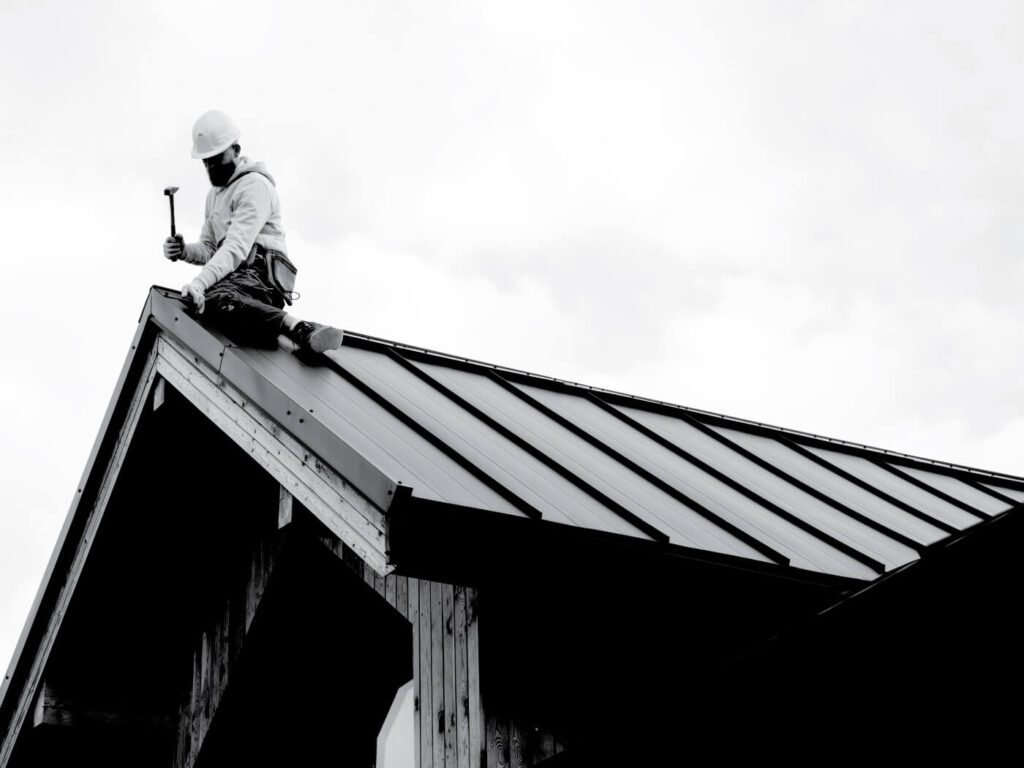
Metal roofs are probably the most resistant material to extreme weather variations. Therefore, it is a great choice for the Canadian Climate. It is available in two styles, which is the shingle and panel variation. They are manufactured from zinc, aluminium, copper, and even stainless steel.
Pros: Metal roofing is extremely long lasting, lightweight and is comparable to the cost of asphalt shingles. They can be recycled down the road which makes them environmentally friendly and more commonly now people are using them for rainwater harvesting.
Cons: The only negative of metal roofing is that snow loads on pitched roofs can easily slide off, due to this there must be slip guards on these homes to combat dumps of snow. As well as maintenance can be a bit difficult.
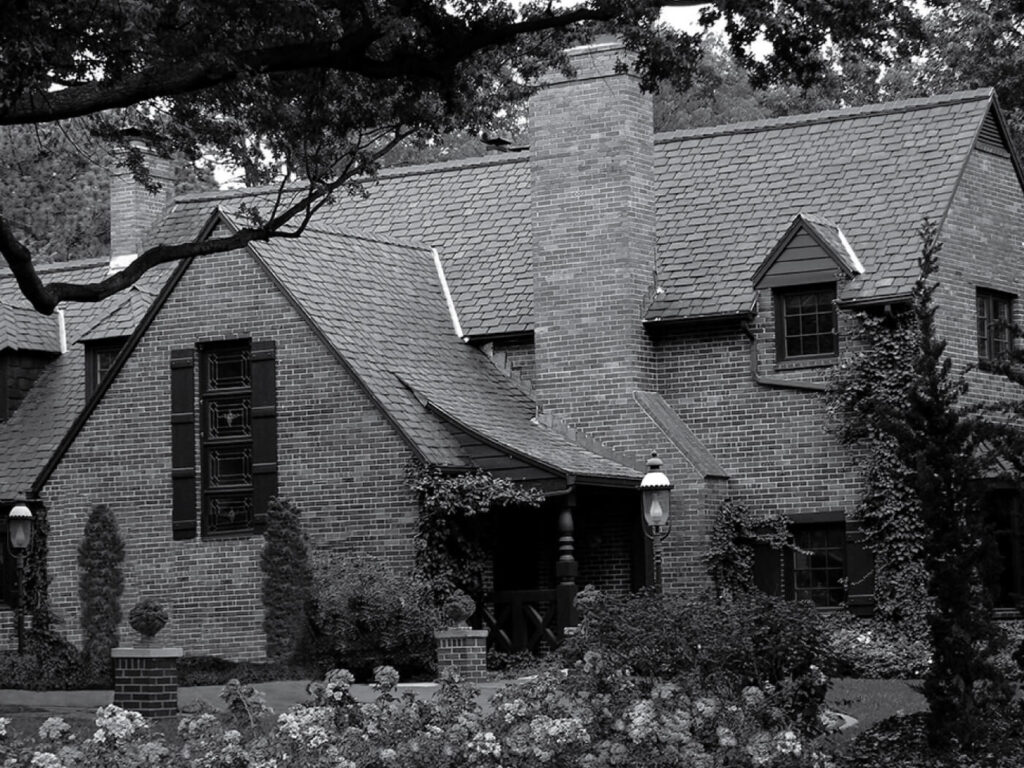
Tile roofs are becoming more common in the new Canadian housing market. Versatile in design, come in a wide range of colours. The cost has also come down for the supply and install of a slate roof. Slate is composed of clay or volcanic ash so which makes them quite lightweight.
Pros: A slate roof is resistant to rot, pests, and fire. This type of roofing material can last upwards of 50 years and is easy to maintain. As stated before, it comes in a wide range of colours, is lighter than before, and can come in a wide array of designs.
Cons: The greatest negative of a slate roof is that they are still a heavy product all together and may need additional reinforcement of the trusses to withstand the weight. They are moderately expensive and the most difficult to repair.
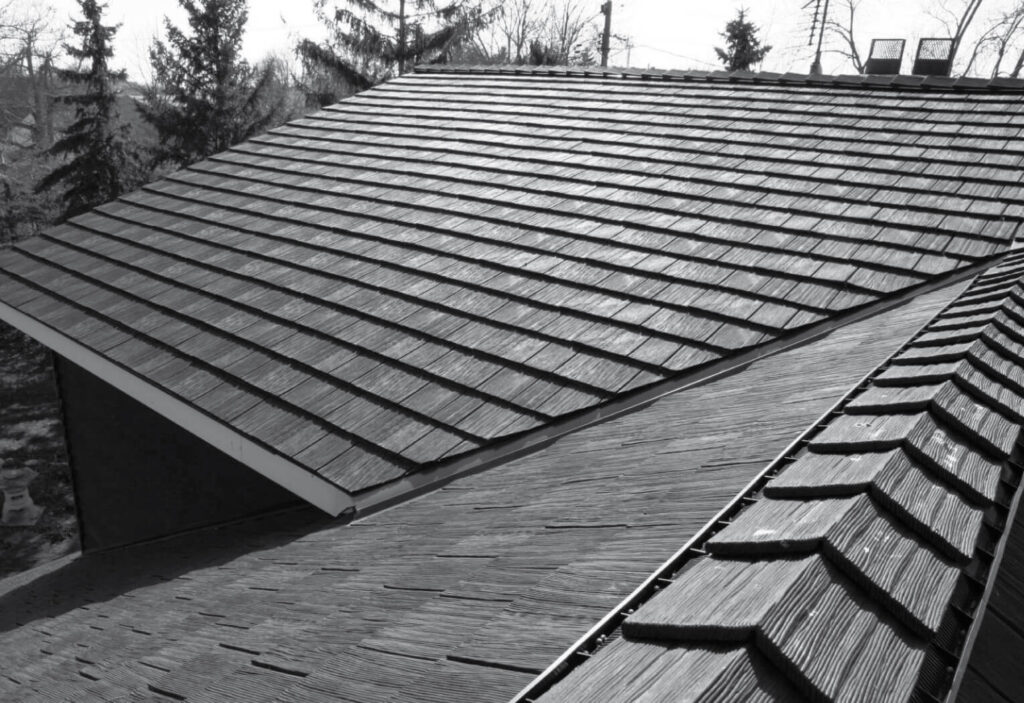
Rubber roofs that are now mimicking shingles, are a relatively new product on residential roofs in Canada. As rubber has been around for centuries in regards to waterproofing and used as sealants they are now being used as a residential roofing material. Rubber roofs are extremely durable, long lasting, and easy to repair. Rubber shingles consist of up to 95% recycled materials, including recycled rubber and materials such as tires, sawdust and slate dust.
Even though rubber roofing is a relatively new product, rubber has been used for waterproofing and sealants for more than a 100 years.
Pros: Rubber roofs are extremely durable and fire resistant. They have high solar absorbance and can increase the insulating effects of your home. They are aesthetically pleasing and are long lasting – upwards of 50 years!
Cons: The greatest negative of rubber roofing is the cost. As they are installed as individual shingles (like wood shakes), the cost associated with the labour can be high.
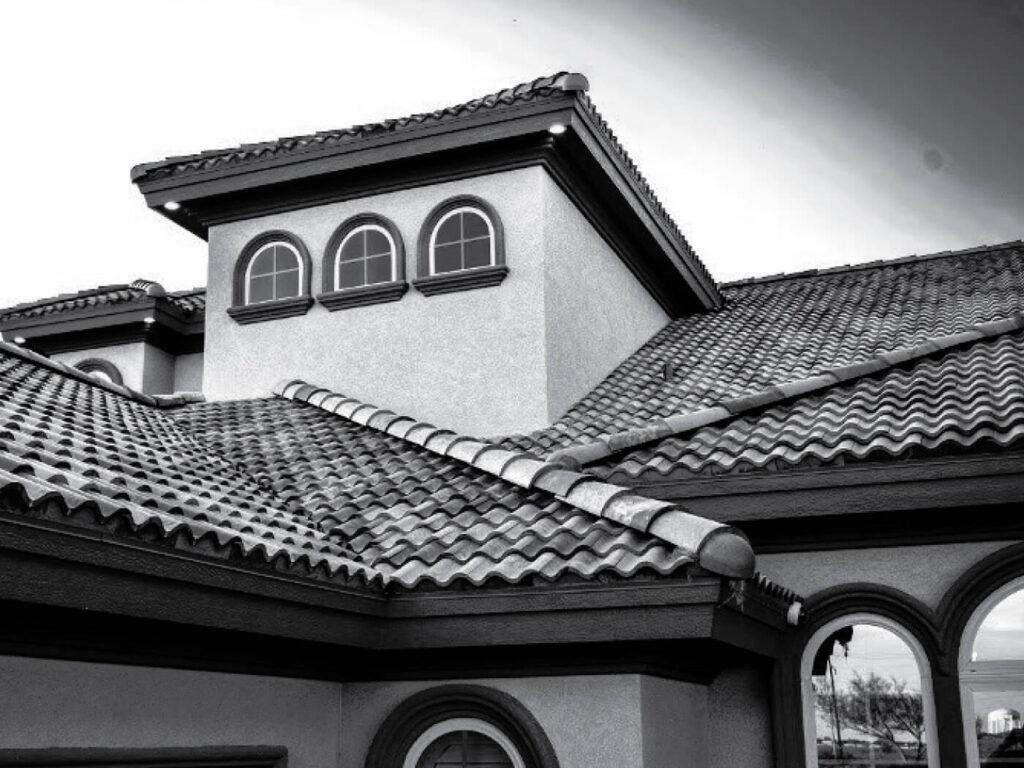
Clay tiles are made from very tough material and are made from natural earth materials. They can add a rustic feel and extremely unique look to a home, that no other material can achieve. They are unique choice in a home in the Canadian market, clay roofs are bound to stand out in the neighbours.
Pros: Clay roofs are impervious to rot and insect damage. They are both environmentally friendly, energy efficient and have relatively low maintenance.
Cons: Clay roofs are pricey, but worth the cost if you are looking for something very long lasting. They can be brittle during installation and are not suitable for all roof slopes.
I trust that this has given you an abundant amount of about of information and now it its time to weigh out the pros and cons of each of the materials that are most common in the Canada. These different roof types in Canada can withstand the extreme weather shifts that can happen in Canada. Each material has to be taken into consideration on the style of home you are building, architectural guidelines you must follow, and the cost you are willing to spend on a roof, and overall look that you want to achieve is an important decision to make.
Unfortunately the Canadian weather tends to be harsh on roofs. Talk to your neighbours and see what material has worked for them. This is also a great time for you and your contractor to build a trust and have them choose which material they are most experienced in and have had the most well served success with.
Asphalt is most common but rubber roof shingles and metal are popular for environmentally friendly aspects.
What are the 4 main types of residential roofing?
1. Asphalt Shingles
2. Metal Roofing shingles
3. Rubber Shingles
4. Wood
Rubber roofing shingles have become more popular recently with customers understanding the longevity of them, the only setback is the price. Asphalt being the most popular.
to learn more about your roof get your free copy of: A Simple, No Fuss Homeowners Guide to Inspecting Your Own Roof