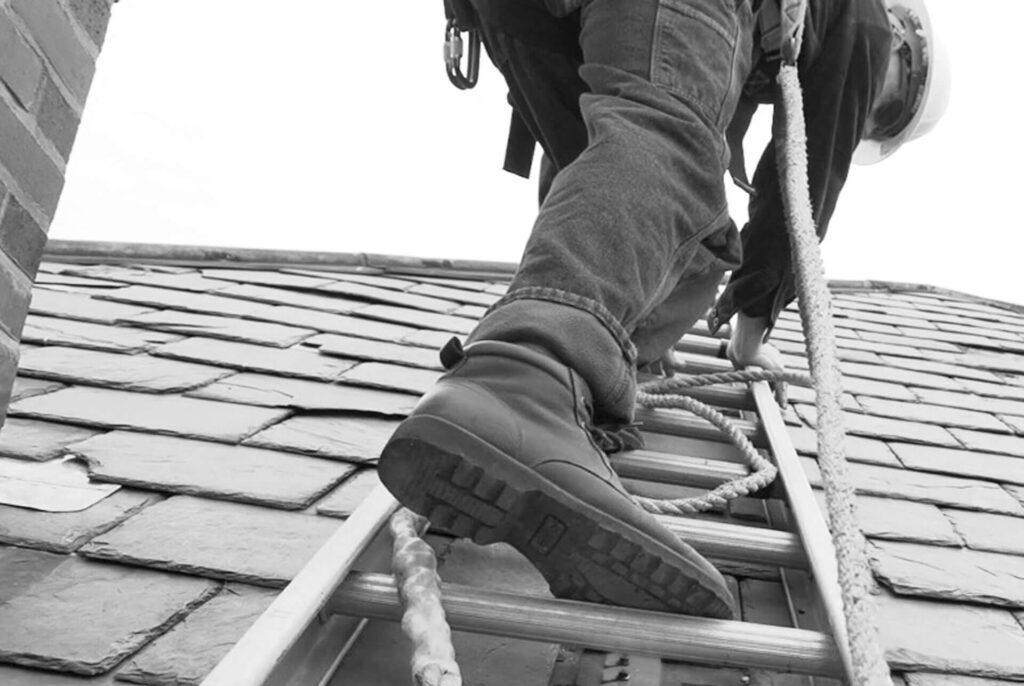
Cabin Roof & Exterior Maintenance in Invermere & Windermere
Prepare your Columbia Valley property for winter weather. Discover key roof, gutter, and siding maintenance tips from Bears Valley Roofing.

When replacing a roof in Calgary and area, homeowners are often handed a slick brochure advertising a “50-Year Limited Lifetime Warranty.” It sounds like complete peace of mind. But if your roof begins leaking three years later during a spring thaw in Calgary, Cochrane, or Airdrie, you may discover a harsh reality: that 50-year manufacturer warranty only covers factory material defects—not the installer’s craftsmanship.
The vast majority of premature roof failures across Calgary and the surrounding communities aren’t caused by defective shingles; they stem from installation errors. That is why a 10-Year Workmanship (Labor) Warranty is the most critical protection a local homeowner can secure.
At Bears Valley Roofing, we believe complete transparency is the cornerstone of a job well done. Here is an honest, detailed breakdown of what a 10-year labor warranty actually covers in Calgary and area’s extreme climate, what it excludes, and how to protect your roof investment for decades.
To understand your protection, you must first separate contractor responsibility from manufacturer responsibility.
| Warranty Feature | 10-Year Workmanship (Labor) Warranty | Limited Lifetime Manufacturer Warranty |
| Who Backs It? | Your Roofing Contractor (Bears Valley Roofing) | The Shingle Manufacturer (e.g. IKO) & Preferred Contractors (up to 50 yrs extended) |
| What It Covers | Fastening errors, flashing details, valley sealing, ventilation setup (15 years for Malarkey products; 5 years on minor repairs). | Manufacturing defects, shingle degradation, factory flaws |
| Primary Claim Trigger | Active leaks, blow-offs from incorrect nailing, wind tears | Premature shingle disintegration or loss of weatherproofing |
| Coverage Focus | Human Execution & Craftsmanship | Physical Product Integrity |
Calgary and area experiences some of the most aggressive weather swings in North America. From +30°C summers to -30°C winter deep freezes, your roof expands and contracts constantly. A comprehensive 10-year labor warranty ensures that the crew’s installation withstands these conditions.
Here is what a robust labor warranty covers:
Shingles are engineered to withstand strong winds—provided they are nailed within the manufacturer’s exact target zone. If a roofer “high-nails” (places nails above the designated strip) or drives nails crookedly, a Chinook windstorm can lift entire sections of shingles. A labor warranty covers repairing or re-securing shingles that fail due to improper fastening.
More than 80% of roof leaks occur at transition points: valleys, sidewalls, chimneys, skylights, and plumbing vents. Labor coverage guarantees that step flashings, counter-flashings, and valley ice-and-water shields were installed correctly to prevent driving rain or meltwater from creeping behind your siding or decking.
An improperly ventilated attic traps heat and moisture, leading to winter ice damming or summer heat blister damage. A professional labor warranty covers the correct calculation and placement of intake (soffit) and exhaust (ridge/box) vents to maintain balanced airflow across your home’s envelope.
Neoprene pipe boots and roof vents expand and contract with temperature changes. Labor coverage guarantees that all penetrations were correctly flash-sealed and fitted so water cannot breach the underlayment during heavy rain or snowpack thaws.
The unique microclimate across Calgary and area creates specific failure points that test the boundary between labor coverage and environmental stress.
Ice dams occur when indoor heat escapes into the attic, melts snow on the roof, and sends water trickling down to the cold eaves, where it refreezes into an ice barrier.
During a Chinook, local temperatures can jump 20 degrees in hours. Rapid thaws force vast amounts of melting snow across flashing seals and valley lines. A proper installation accounts for this hydrostatic pressure; if water breaches your roof due to improper membrane overlap or inadequate sealant at these joints, labor coverage applies.
To avoid surprises, every homeowner should understand where a contractor’s labor liability ends.
| Exclusion Category | Examples | Resolution Channel |
| Consequential Interior Damage | Ceiling drywall stains, spoiled insulation, ruined paint, mold repairs | Handled through Homeowner’s Insurance |
| Severe Acts of God / Storms | Extreme hail puncture, EF-1+ tornadoes, fallen tree limbs | Handled through Insurance Storm Claims |
| Pre-Existing Structural Defects | Sagging rafters or rotted roof decking left unaddressed by homeowner choice | Excluded from labor liability |
If an installation defect causes a leak that stains your living room drywall, the labor warranty covers fixing the roof component itself. The secondary interior damage to your ceiling, furniture, or paint is typically handled through your homeowner’s insurance policy.
Labor warranties do not cover damage caused by unpreventable natural events. Severe hail storms that smash shingles, fallen tree limbs, or tornadoes are environmental events covered under property insurance claims—not workmanship guarantees.
Even the strongest 10-year labor warranty can be rendered void if unapproved modifications or severe physical damage occur after installation.
A 10-year labor promise is only as reliable as the business behind it. The local roofing industry across Calgary and area sees dozens of “fly-by-night” contractors pop up every summer and disappear within two to three years, leaving homeowners with a piece of paper that holds no value.
To protect yourself against contractor insolvency, choose an established local roofer holding specialized industry credentials.
At Bears Valley Roofing, serving Calgary, Cochrane, and the surrounding area for over 25 years, we believe a warranty shouldn’t just be reactive—it should be proactive.
Our commitment goes beyond standard written guarantees:
A 10-year labor warranty is the ultimate sign of a contractor’s confidence in their work. By understanding what your policy covers and working with an established local team, you ensure your home stays dry, safe, and protected no matter what local weather brings.
You should look for explicit mentions of coverage for high-wind installation accuracy, flashing and valley protection, and ventilation compliance. A transparent warranty will clearly outline contractor obligations for installation defects while defining the boundaries regarding maintenance, third-party alterations, and severe environmental damage. Make sure you receive a written document detailing these exact terms upon completion of the project.
If the leak is caused by high winds peeling off improperly nailed shingles or water seeping past improperly installed flashing, it falls under your 10-year labor warranty. If the leak is caused by hail puncturing shingles, a fallen tree limb, or structural wind damage that exceeds local building code thresholds, it is an insurance storm claim. A HAAG® certified inspector from Bears Valley Roofing can evaluate the roof to determine the exact cause and assist you with either warranty repairs or insurance filing.
A 1- to 2-year labor warranty is often a red flag indicating a contractor relies on seasonal sub-contractors or takes shortcuts on underlayment, flashing, and ventilation details. Minor installation errors around valleys or vents often take 3 to 5 years of local freeze-thaw cycles to manifest as visible ceiling leaks. A roofer offering a true 10-year labor warranty stands behind the long-term durability of their materials and installation techniques.
Prepare your Columbia Valley property for winter weather. Discover key roof, gutter, and siding maintenance tips from Bears Valley Roofing.
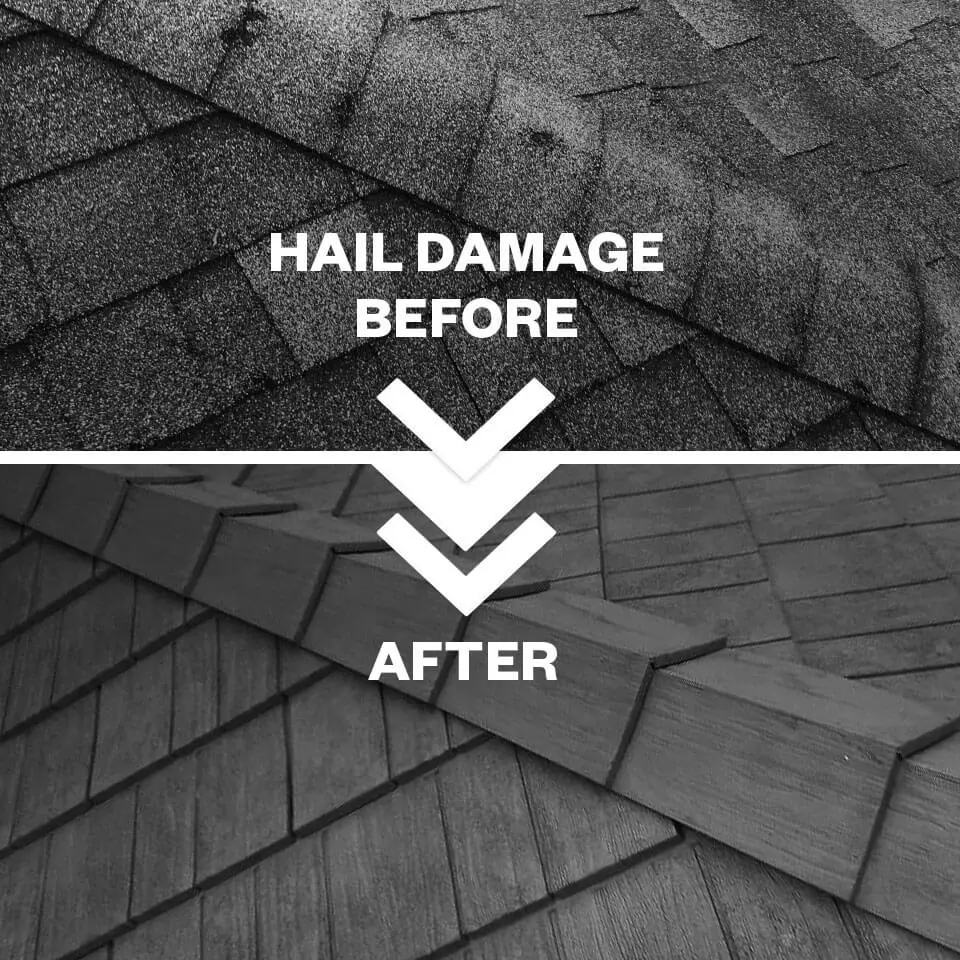
Did your Calgary home suffer hidden hail damage this summer? Learn what to look for, how Chinooks worsen roof leaks, and how to file before insurance claims expire.
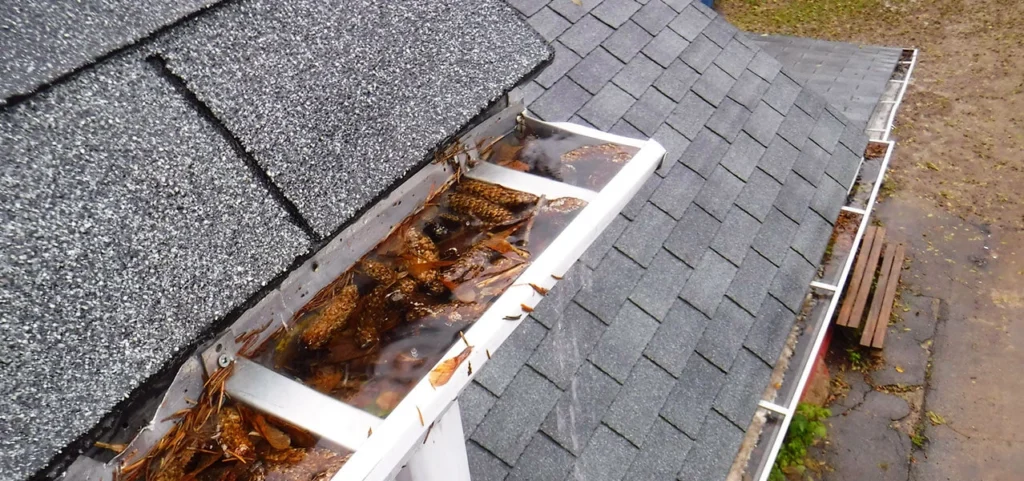
Is your home ready for fall rains and Chinook freeze-thaw cycles? Learn the critical signs your Calgary eavestroughs and downspouts need attention before winter hits.