Cabin Roof & Exterior Maintenance in Invermere & Windermere
Prepare your Columbia Valley property for winter weather. Discover key roof, gutter, and siding maintenance tips from Bears Valley Roofing.

Your home is a major financial investment, and your roof serves as its primary defense against the elements. As we navigate the weather patterns of 2026, proactive roof maintenance is more important than ever to save money and reduce stress in the long run. Waiting for water to drip from your ceiling before evaluating your roof often leads to costly repairs that could have been easily avoided.
Many homeowners wonder what a roof inspection actually entails and at what point they should schedule one. Understanding the specifics of roof maintenance helps you communicate effectively with roofing professionals and make informed decisions about your property. This guide will clarify the manual roof inspection process, outline the benefits, and help you determine exactly when you need a professional assessment.
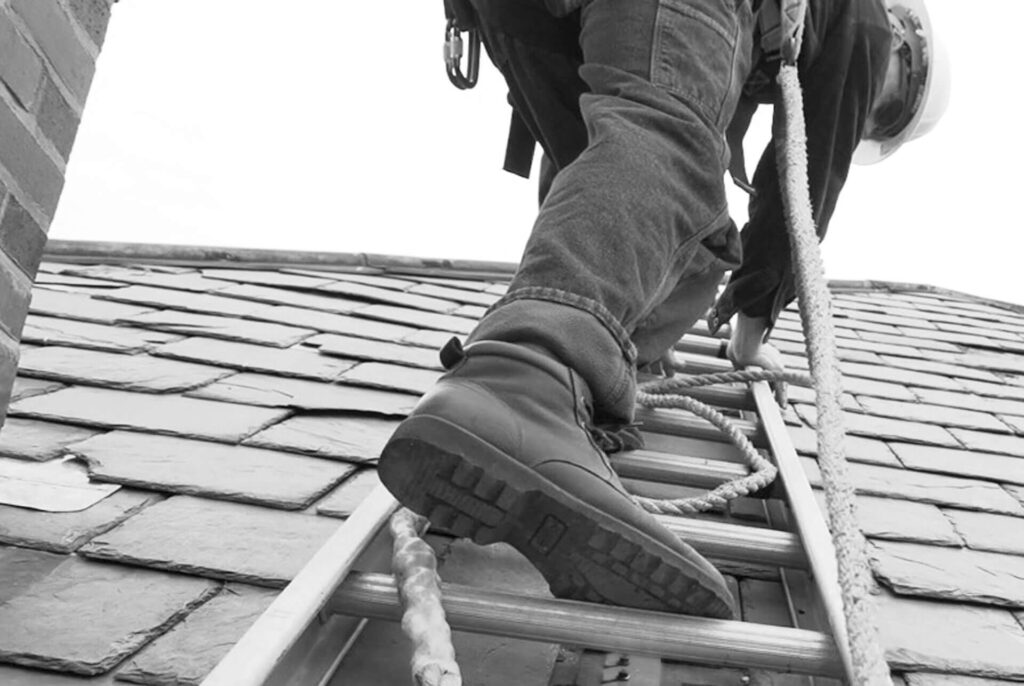
A professional roof inspection is a thorough evaluation of your roofing system’s physical condition. It goes far beyond a quick glance from the driveway. Trained inspectors use traditional methods, physically accessing the roof with ladders and examining the structure by hand to identify hidden vulnerabilities.
During a comprehensive assessment, a professional inspector examines three main categories:
The inspector will physically walk the surface of your roof to evaluate the roofing materials. This includes checking for missing, curled, or damaged shingles and tiles. They will closely examine flashing around roof penetrations, ensure gutters are securely attached and clear of debris, and inspect chimneys, vents, and skylights for proper sealing.
Your roof’s underlying structure must be sound to support the weight of the materials and withstand high winds or heavy snow. The inspector looks for uneven roof lines or sagging. They will also examine the fascia and soffits for signs of rot or water damage.
A complete inspection requires looking at the roof from the inside out. By entering your attic, the inspector checks for active leaks, inadequate ventilation, compromised insulation, and the presence of mold or mildew. Poor attic ventilation often leads to premature roof failure, making this step critical.
A professional inspection provides a detailed, documented evaluation of your roof’s condition, whereas a basic visual check by a homeowner simply identifies obvious, large-scale damage.
Investing in regular roof inspections provides several tangible benefits for homeowners.
Knowing when to call a roofing contractor ensures your home remains protected year-round. You should schedule a roof inspection in the following scenarios:
Routine checks are vital for long-term maintenance. Scheduling an inspection once a year, preferably in the fall before heavy winter weather hits or in the spring to assess winter damage, helps establish a baseline for your roof’s health.
High winds, severe hail, heavy snow loads, or significant rainstorms can severely damage roofing materials. Even if you do not see missing shingles from the ground, the impact from hail can compromise the protective granules on asphalt shingles.
A roof inspection is a mandatory part of due diligence in real estate. Buyers need to know what they are purchasing, and sellers can use a clean inspection report to justify their asking price.
Call a professional immediately if you observe missing shingles, cracked tiles, excessive shingle granules in your gutters, water stains on your interior ceilings, or active dripping.
As your roof nears the end of its expected lifespan, frequent monitoring is required. For standard asphalt shingles, this is typically around the 15 to 20-year mark.
After a contractor finishes installing a new roof or completing a major repair, an independent inspection verifies that the work meets building codes and industry standards.
Homeowners can perform basic maintenance checks, but there is a clear distinction between a DIY observation and a professional assessment.
Homeowners can safely look for obvious damage from the ground using a pair of binoculars. You can safely check for missing shingles, large branches on the roof, or detached gutters. However, getting on a ladder or walking on a roof without proper fall protection and training is highly dangerous. Furthermore, an untrained eye will miss subtle signs of damage.
You should call a professional for a comprehensive evaluation. Roofing contractors have the safety training and specialized equipment required for the job. While manual inspections in 2026 rely on physical walk-throughs rather than drones, professionals use tools like infrared thermal imaging cameras to detect trapped moisture beneath the roof surface without causing destructive damage.
When hiring an inspector, look for the following qualifications:
Understanding the workflow of a professional roof inspection helps set clear expectations.
The process begins with a phone call to discuss your concerns. The contractor will ask about the age of your roof, your home’s square footage, and any specific leaks or damage you have noticed.
The inspector will arrive at your property with manual tools, including ladders, clipboards, moisture meters, and cameras. They will conduct a physical examination of the exterior roof, the perimeter of the house, and the interior attic space. They rely on their physical senses and industry expertise to evaluate the materials.
Following the physical assessment, the contractor will compile a detailed report. This document includes written notes, photographs of the damage, and a breakdown of the roof’s overall condition. If repairs are necessary, the report will include estimated costs.
The roofing professional will review the report with you, explaining the findings clearly. They will advise you on whether a repair or a full replacement is the most cost-effective option, allowing you to make an educated decision about your property.
Routine roof inspections are a fundamental part of responsible homeownership. By identifying minor defects before they escalate into structural failures, you save significant time and financial resources. A well-maintained roof protects your biggest investment and keeps the occupants of the home safe.
Take the proactive approach to home maintenance this year. Contact a licensed, local roofing contractor today to schedule a comprehensive physical roof inspection and secure the future of your home.
It is recommended to have your roof professionally inspected at least once a year. The best times are typically in the fall to prepare for winter or in the spring to check for any damage that occurred over the winter months. You should also schedule an inspection immediately following any severe weather events, like hailstorms or high winds.
A comprehensive roof inspection involves a trained professional physically examining your entire roofing system. They will check the exterior for damaged shingles, tiles, and flashing. They'll also assess the roof's structural integrity by looking for sagging or signs of rot. Finally, they will inspect the interior attic space for leaks, poor ventilation, and mold.
Regular roof inspections can save you money and stress by identifying small issues before they become major, costly repairs. They help extend the lifespan of your roof, provide necessary documentation for insurance claims, increase your home's resale value, and ensure your family's safety by identifying potential hazards.
Prepare your Columbia Valley property for winter weather. Discover key roof, gutter, and siding maintenance tips from Bears Valley Roofing.
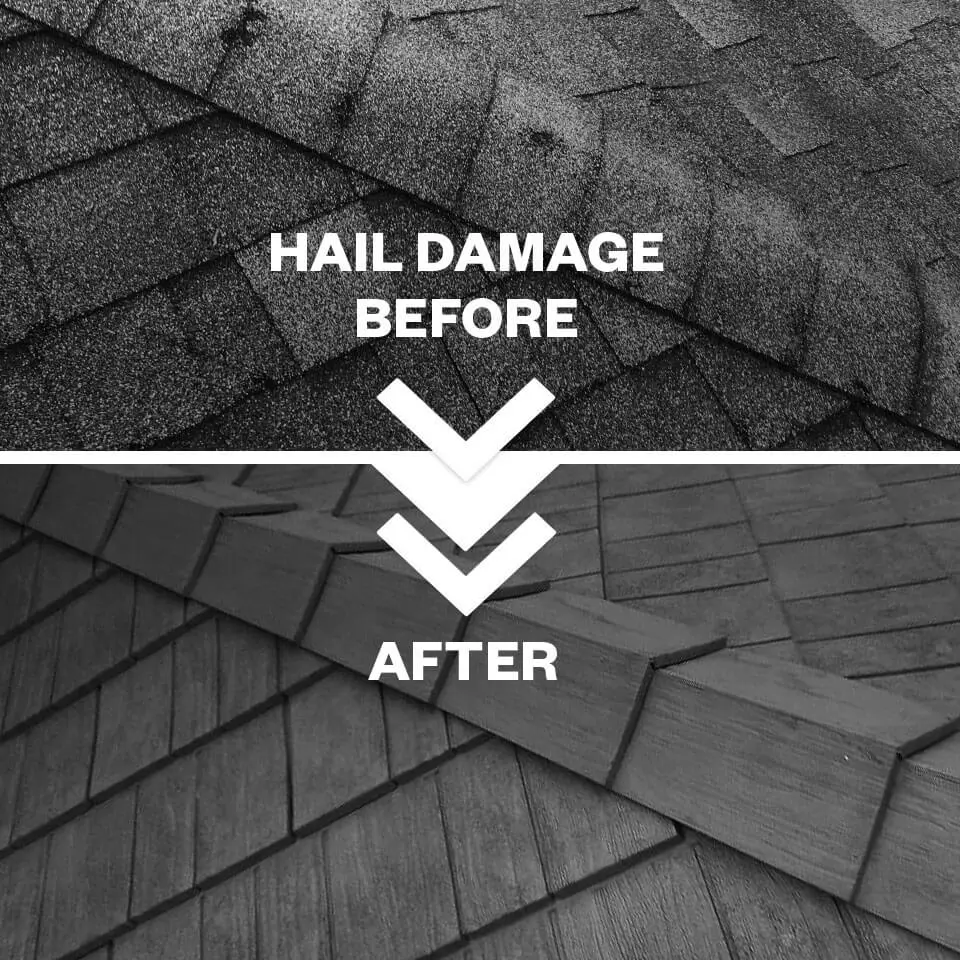
Did your Calgary home suffer hidden hail damage this summer? Learn what to look for, how Chinooks worsen roof leaks, and how to file before insurance claims expire.
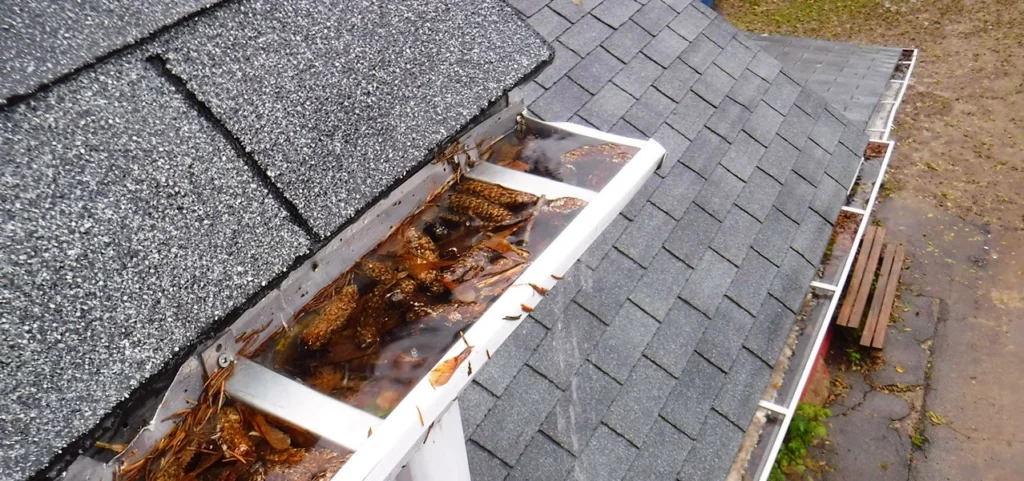
Is your home ready for fall rains and Chinook freeze-thaw cycles? Learn the critical signs your Calgary eavestroughs and downspouts need attention before winter hits.