Cabin Roof & Exterior Maintenance in Invermere & Windermere
Prepare your Columbia Valley property for winter weather. Discover key roof, gutter, and siding maintenance tips from Bears Valley Roofing.

When you live in Canada, winter isn’t just a season; it’s a stress test for your home. While you are safe and warm inside, your roof is battling heavy snow loads, gale-force winds, and temperature fluctuations that can swing 30 degrees in a single day.
Choosing the right roofing material is one of the most significant decisions a homeowner can make. The wrong choice can lead to leaks, ice dams, and premature failure, while the right material will protect your investment for decades. If you are building a new home or replacing an aging system, understanding how different materials perform in our specific climate is critical.
This guide explores the best roofing options for cold climates, explaining exactly what makes them suitable for Canadian winters and how to ensure they are installed correctly.
Before comparing materials, it is important to understand exactly what your roof is up against. Canadian winters present three specific challenges that can destroy inferior roofing products:
Snow is heavy. A buildup of wet, heavy snow places immense structural strain on your roof. The material you choose needs to be strong enough to support this weight without buckling or warping.
This is the silent killer of many roofs. When water seeps into tiny cracks in roofing material and freezes, it expands. When it melts, it contracts. Over time, this constant expansion and contraction can cause materials like standard asphalt or porous tile to crack, split, and degrade.
Ice dams occur when heat escapes from your attic, melting the snow on your roof. This water runs down to the cold eaves and refreezes, forming a ridge of ice. This dam prevents melting snow from draining, forcing water to back up under your shingles and leak into your home.
Not all roofs are created equal. Here is a breakdown of the most effective materials for handling the Great White North.
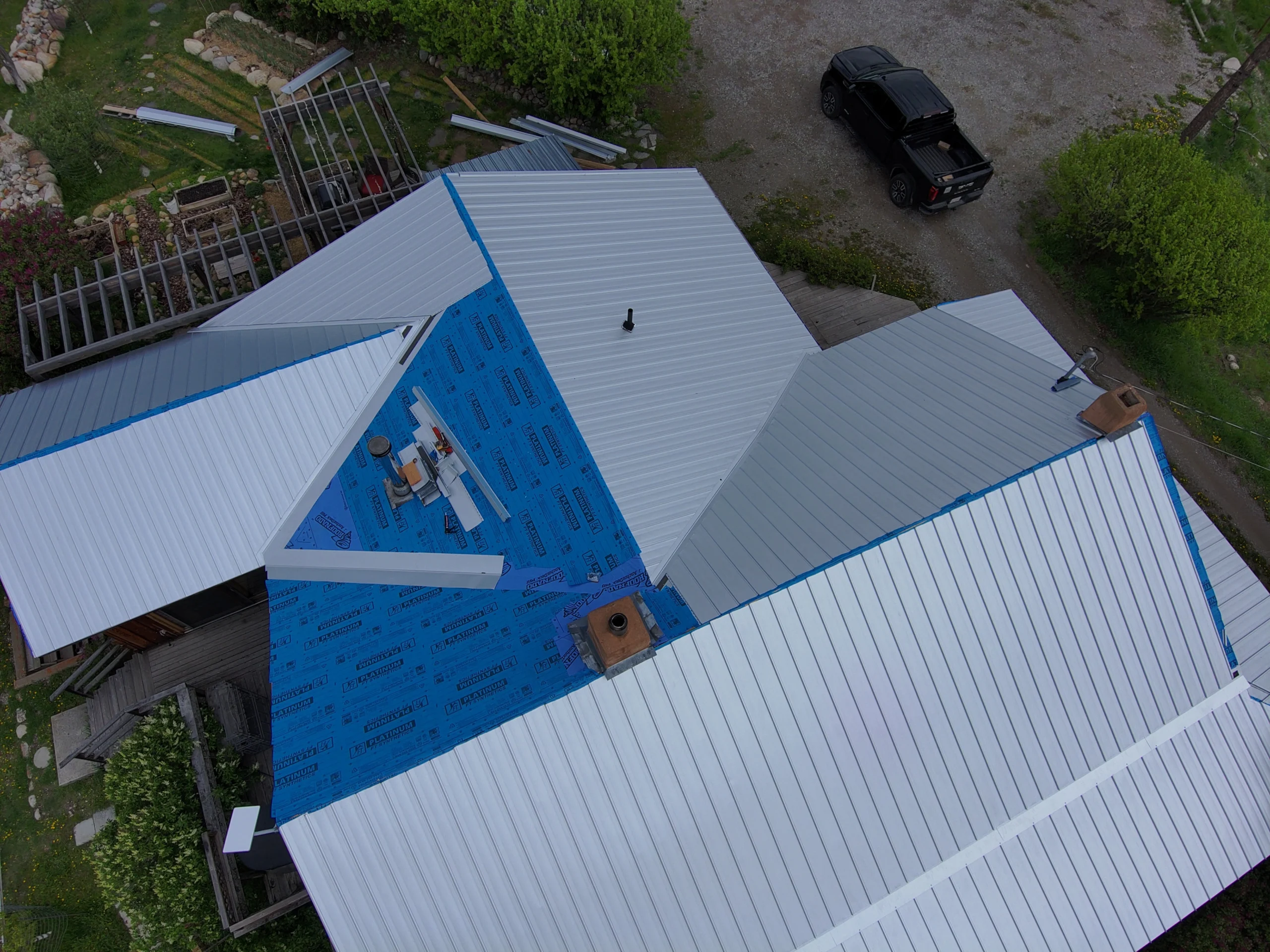
Metal is widely considered the gold standard for cold climates. Whether it is steel, aluminum, or copper, metal roofing offers exceptional durability.
Consideration: Because snow slides off so easily, you must install snow guards to prevent “roof avalanches” from falling onto walkways, driveways, or landscaping below.
Asphalt shingles are the most common roofing material in Canada due to their affordability. However, you must distinguish between standard “3-tab” shingles and “architectural” (or laminated) shingles. For cold climates, architectural shingles are the superior choice.
Consideration: In extreme cold, even good asphalt can become brittle. It is crucial that installation happens during milder weather to ensure the adhesive strips seal properly.
Synthetic roofing is a growing category that mimics the look of slate or cedar shake but is made from engineered polymers or recycled rubber.
When discussing your options with a professional roofer, keep these four factors in mind:
The steepness of your roof dictates how well it sheds snow and water. Metal is excellent for steep roofs, while flatter roofs may require specialized rubber membranes (EPDM) to prevent water pooling.
If you are switching from asphalt to a heavier material like concrete or slate, you may need a structural engineer to inspect your roof trusses. The added weight of the material combined with winter snow loads can be dangerous if the structure isn’t reinforced.
Your roof is part of a system. The best material in the world will fail if your attic is poorly ventilated. Proper ventilation keeps the roof deck cool, which prevents snow from melting unevenly and forming ice dams. According to Natural Resources Canada, sealing attic air leaks and ensuring proper insulation are the most effective defenses against ice damming.
Check the fine print regarding cold weather. Some warranties have specific clauses regarding installation temperatures or wind damage that are relevant to Canadian homeowners.
Even the highest quality material will fail if installed incorrectly. Here are the non-negotiable installation standards for Canadian homes:
This is a self-adhering waterproof membrane installed at the eaves (edges) of the roof, under the shingles or metal. In many Canadian jurisdictions, building codes require this membrane to extend at least 900 mm (36 inches) up the slope, ensuring it reaches past the exterior wall line. This barrier prevents water from an ice dam from seeping into the wood decking.
Underlayment provides a secondary layer of protection against wind-driven snow. Synthetic underlayment is generally preferred over traditional felt paper in cold climates because it is stronger, lighter, and repels water better.
A metal drip edge installed at the eaves and rakes helps guide water into the gutters and prevents it from curling back under the shingles, which can cause rot at the roof’s edge.
Once your roof is installed, a little maintenance goes a long way.
Your home is your sanctuary against the cold, and your roof is its first line of defense. While metal roofing offers the best overall performance for shedding snow and resisting ice, architectural asphalt shingles remain a reliable and cost-effective choice for many Canadians. The key is to balance your budget with durability requirements and ensure that whichever material you choose is supported by proper attic ventilation and insulation.
Don’t wait until the first blizzard to think about your roof. If you are looking for expert advice tailored to your home’s specific needs, contact us, your local roofing contractor, today for a comprehensive quote. Our team understands the unique demands of our climate and can help you choose a system that keeps you warm and dry for years to come.
Metal roofing is generally considered the best for shedding snow and resisting ice due to its smooth, hard surface. However, architectural asphalt shingles are also a reliable and more cost-effective option for many homeowners. The ideal choice depends on factors like your roof's pitch, your budget, and the structural capacity of your home.
An ice dam is a ridge of ice that forms at the edge of a roof, preventing melting snow from draining properly. This can cause water to back up and leak into your home. The most effective ways to prevent ice dams are by sealing air leaks in your attic, ensuring your attic has proper insulation and ventilation, and keeping your gutters clean before winter. Installing a waterproof membrane (ice and water shield) at the eaves of your roof is also a critical preventative measure.
It is not recommended to remove snow or ice from your roof yourself. Walking on an icy roof is extremely dangerous. Additionally, trying to chip away at ice dams with a shovel or pick can cause significant damage to your shingles. It's best to hire a professional who has the proper safety equipment and tools, such as steamers, to safely remove ice and snow without damaging your roof.
Prepare your Columbia Valley property for winter weather. Discover key roof, gutter, and siding maintenance tips from Bears Valley Roofing.
Did your Calgary home suffer hidden hail damage this summer? Learn what to look for, how Chinooks worsen roof leaks, and how to file before insurance claims expire.
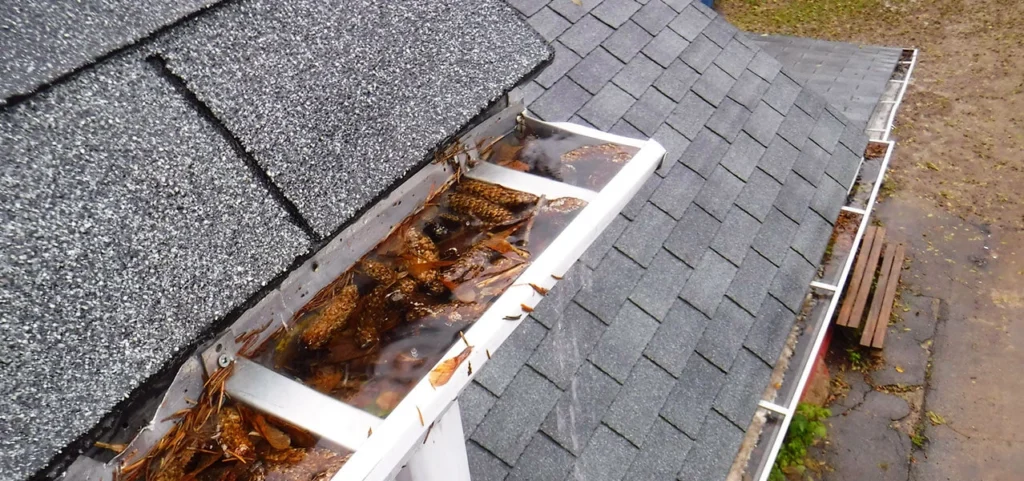
Is your home ready for fall rains and Chinook freeze-thaw cycles? Learn the critical signs your Calgary eavestroughs and downspouts need attention before winter hits.