
Cabin Roof & Exterior Maintenance in Invermere & Windermere
Prepare your Columbia Valley property for winter weather. Discover key roof, gutter, and siding maintenance tips from Bears Valley Roofing.

When you look at your home, you likely notice the siding, the windows, or the condition of the shingles. It is easy to overlook the narrow metal channels running along the edge of the roofline. However, these humble components—known as eavestroughs or gutters—perform one of the most critical structural duties for your property.
During a heavy storm, your roof sheds thousands of gallons of water. Without a mechanism to control this flow, that water would cascade directly off the roof edge, digging trenches into the soil and pooling around the base of your home. Eavestroughs capture this runoff and divert it safely away from the structure.
Understanding how this system works is essential for every homeowner. Neglecting this part of your home’s exterior can lead to a cascade of expensive problems, ranging from flooded basements, roof rot, to eroded landscapes. By learning the basics of function, maintenance, and repair, you can ensure your eavestroughs continue to protect your investment for years to come.
While they are attached to the roof, the primary beneficiary of a well-functioning gutter system is actually your foundation. The eavestrough system works by collecting rainwater and guiding it into downspouts, which then direct the flow away from the house.
The soil around your home acts like a sponge. When it becomes oversaturated, it expands and puts immense pressure—known as hydrostatic pressure—on your foundation walls. This pressure can cause cracks, shifting, and bowing. By moving water away from the perimeter, eavestroughs keep the soil stability consistent.
According to building standards, downspouts should discharge water at least 5 feet away from the foundation to be effective. This simple distance prevents water from seeping back toward the basement or crawlspace walls.
Water that is allowed to drip unchecked off the roof edge can rot the fascia boards (the board the gutter is mounted to) and the soffits (the underside of the eaves). Furthermore, water splashing back up against the siding can lead to staining, paint damage, and moisture intrusion behind the exterior cladding.
An eavestrough system is only effective if it is clear of obstructions. Leaves, twigs, pine needles, and sediment can accumulate quickly, turning a functional drainage system into a heavy, water-logged trough.
Most experts and university extension services recommend cleaning your gutters at least twice a year: once in the spring to clear out winter debris and seeds, and again in the late fall after the leaves have dropped. If your property is surrounded by mature trees—especially pine trees that shed needles year-round—you may need to increase this frequency to three or four times a year.
While cleaning, you should perform a visual inspection.
Even with regular cleaning, issues can arise. Identifying these problems early can save you from costly repairs later.
This is the most frequent issue. When debris blocks the downspout, water fills the trough and spills over the edge. This overflow mimics having no gutters at all, dumping water directly onto the foundation. Installing leaf guards or screens can reduce debris accumulation, but they do not eliminate the need for occasional cleaning.
Water is heavy—a gallon weighs over eight pounds. When gutters are full of water and wet debris, the weight can pull the fasteners loose, causing the metal to sag. A sagging section traps water, which leads to further weight and eventual collapse. This often indicates that the hangers (the brackets holding the gutter) are spaced too far apart or have worked loose over time.
Sectional gutters have seams where two pieces of metal overlap. Over time, the sealant at these joints can deteriorate due to expansion and contraction from temperature changes. You will often notice drips coming from the middle of a gutter run during a storm.
Homeowners often wonder if they can patch a problem or if it is time for a full replacement. Small leaks at end caps or seams can often be fixed with a high-quality gutter sealant. However, there are signs that indicate the system has reached the end of its lifespan.
Aluminum gutters typically last around 20 years, while copper or steel systems may last longer with proper care. Vinyl systems often have a shorter lifespan in climates with extreme temperature fluctuations.
Deciding whether to tackle eavestrough work yourself depends on your comfort level with heights and the complexity of the job.
The DIY Approach:
Cleaning gutters on a single-story home is a manageable task for many homeowners. You will need a sturdy ladder, work gloves, and a spotter for safety. Minor repairs, such as applying sealant to a dripping corner or adding a splash block to a downspout, are also beginner-friendly projects.
When to Hire a Professional:
For two-story homes or steep roofs, the risk of falls increases significantly. Professionals have the proper safety harnesses and stabilization equipment to work at heights safely.
Additionally, if you need a full replacement, professional installation is superior. Pros can install “seamless” gutters, which are custom-fabricated on-site from a single continuous roll of aluminum. Because they lack seams along the long runs, they are far less prone to leaking than the sectional gutters sold at home improvement stores.
Your home is a complex system where every part relies on the others. The roof protects the interior, but the eavestroughs protect the roof and the foundation. By keeping water moving swiftly and efficiently away from your home, you prevent a host of structural issues that are difficult and expensive to fix.
Take a moment during the next rainfall to step outside (under an umbrella) and observe your drainage system. If you see water flowing smoothly out of the downspouts and away from your house, your silent defenders are doing their job. If you see waterfalls over the edges or pooling near the walls, it is time to get to work.
Small issues like leaks at seams or end caps can often be fixed with gutter sealant. However, signs like rust and corrosion, multiple cracks, or gutters pulling away from the house may indicate it's time for a full replacement. Also, consider the material's lifespan—vinyl gutters might last less than 20 years, while copper or steel can last longer with proper care.
Hire a professional for two-story homes, steep roofs, or full gutter replacements. Professionals have the right safety equipment and can install seamless gutters, which are custom-made on-site and less prone to leaks compared to sectional systems. For simpler tasks like cleaning gutters on a single-story home or sealing small leaks, DIY may suffice.
During a rainfall, step outside and observe your gutters. If water flows smoothly out of the downspouts and away from the house, your system is working well. If you notice water overflowing the edges or pooling near the walls, it’s a sign that repairs or maintenance are needed.
Prepare your Columbia Valley property for winter weather. Discover key roof, gutter, and siding maintenance tips from Bears Valley Roofing.
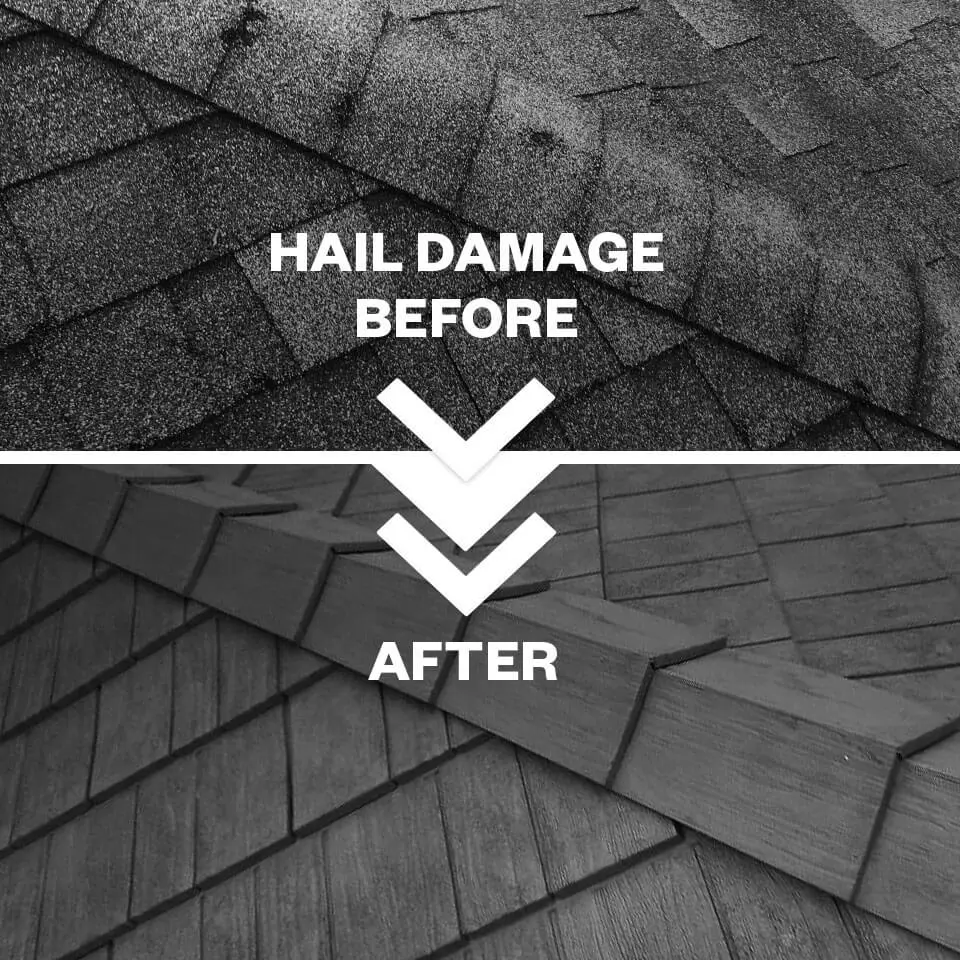
Did your Calgary home suffer hidden hail damage this summer? Learn what to look for, how Chinooks worsen roof leaks, and how to file before insurance claims expire.
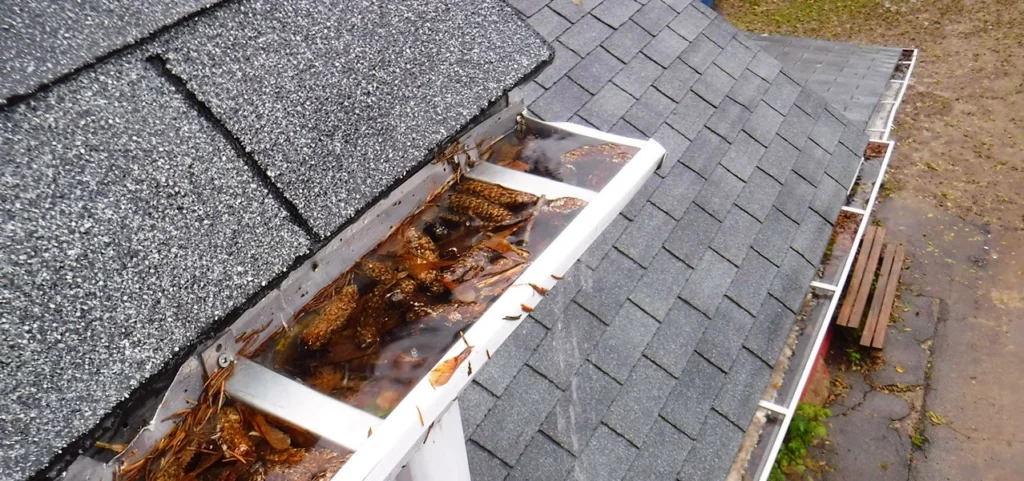
Is your home ready for fall rains and Chinook freeze-thaw cycles? Learn the critical signs your Calgary eavestroughs and downspouts need attention before winter hits.