Learn how to protect your roof from hail damage with expert tips and guidance from Bears Valley Roofing. Secure your home with inspections and premium materials.
Continue readingMost Expensive Part of a Roof and How to Repair
What is the most expensive part of a roof? Learn about common issues, repair steps, and tips to maintain your roof and save costs.
Continue readingRoof Replacement Costs in 2025 – Updated Guide
Curious about roof replacement costs in 2025? Learn about materials, labor, and budgeting tips to make informed decisions for your home roofing needs.
Continue readingHow To Spot Problems With Your roof
How to Spot Problems with Your Roof Before They Escalate
Your roof is one of the most crucial components of your home—it protects your family, belongings, and the overall structural integrity of the building. Despite its importance, the roof often goes overlooked until there’s a significant problem. By the time a leak or visible damage is spotted, you could already be facing costly repairs or even a full roof replacement.
This guide will walk you through how to spot common problems with your roof early, so you can act before minor issues turn into major headaches.
Visual Inspection of Shingles
Your shingles form the first layer of defense against the elements, and any damage to them can leave your roof vulnerable. Here’s what to look for during your visual inspection.
– Missing or Broken Shingles
Look for bare patches on your roof. Missing shingles expose the underlayment, leaving your roof susceptible to water damage and leaks. Broken shingles—often caused by wind or falling debris—can have a similar effect.
– Cracked or Curled Shingles
Cracked or curled shingles are signs of aging or prolonged exposure to harsh weather. These weakened shingles can no longer provide adequate protection and may allow water infiltration.
– Moss and Algae Growth
Green or black patches on your roof may look harmless, but moss and algae growth can trap moisture. Over time, this leads to rot and degrades the structural integrity of your roof.
Tip: Use a pair of binoculars for a thorough inspection without climbing onto the roof.
Structural Issues
– Sagging Areas
A sagging roof is a serious red flag. This could indicate problems with the roof deck or excessive weight from accumulated debris or water. If you notice any dips or uneven spots, it’s essential to call a professional immediately.
Gutter Analysis
Gutters aren’t just for managing water runoff—they can also act as an early warning system for roof problems.
– Granules in Gutters
During your gutter cleanout, check for granules. These small particles often shed from asphalt shingles as they wear down. If you find excessive granules, it could indicate that your roof is nearing the end of its lifespan.
Extra Tip: Clogged gutters can lead to water pooling on your roof, compounding potential issues. Regularly cleaning your gutters can prevent this.
Signs of Water Damage
Water damage is not always easy to detect, but catching it early can save you a lot of trouble down the road.
– Dark Streaks or Patches
Discolored areas on your roof are often signs of water pooling or seepage. Over time, this can lead to mold, rot, or internal leaks.
– Wear Around Roof Penetrations
Structures like chimneys, skylights, and vents can be prone to leaks if their seals degrade. Regularly inspect these areas for signs of wear or water damage.
Interior Warning Signs
Sometimes, the most telling signs of roof problems appear inside your home.
– Water Stains or Discoloration
Water stains, commonly yellow or brown, on your ceilings or walls indicate a leak. Left unchecked, these can lead to mold growth and structural damage.
– Peeling or Bubbling Paint
If paint on your walls or ceilings is peeling or bubbling, it could be a sign that moisture has entered your home through the roof.
– Sagging Ceilings or Musty Odor
A sagging ceiling or persistent musty smell indicates prolonged water exposure. This is a serious issue that requires immediate attention to prevent additional structural damage or potential health risks.
Why Regular Roof Inspections Matter
Roof problems don’t resolve themselves—they worsen over time. Scheduling regular inspections can help you stay on top of potential weak points and prevent costly surprises. Homeowners are encouraged to have their roofs professionally inspected annually, especially after severe weather events like storms or heavy rainfall.
Taking Action to Protect Your Roof
Taking proactive steps can significantly extend the lifespan of your roof and protect your home investment. If you identify signs of damage, your next steps should include contacting a professional roofing contractor.
Don’t wait until a small patch of moss grows into a bigger problem or a tiny leak turns into a waterlogged ceiling. Addressing issues promptly will save money and stress in the long run.
Need help evaluating your roof’s condition? Contact our trusted roofing specialists for a professional inspection.
How Long Do Asphalt Shingles Last in Alberta?
Asphalt shingles are one of the most popular roofing materials in Alberta. They offer an attractive balance of affordability, durability, and ease of installation. But if you’re a homeowner in Alberta, you may find yourself wondering just how long your asphalt shingles will last, especially given the province’s unique weather conditions.
Understanding the lifespan of asphalt shingles is essential for planning roofing maintenance, budgeting for future replacements, and ensuring your home remains protected. This post will explore the factors affecting shingle longevity, compare lifespans across different shingle types and roofing materials, and provide tips for maximizing your roof’s lifespan.
Factors Affecting the Lifespan of Asphalt Shingles in Alberta
Alberta’s climate and other external conditions play a critical role in determining the lifespan of asphalt shingles. Here are the most important factors to consider:
1. Alberta’s Climate Conditions
Alberta’s weather is known for its temperature extremes and unpredictable conditions, and this greatly impacts roofing longevity. Asphalt shingles here are often exposed to:
Temperature Fluctuations: Alberta experiences temperature swings that can range from blistering summer heat to freezing winters. This constant contraction and expansion can weaken shingles over time.
Snow and Ice: Accumulated snow and ice can lead to moisture infiltration if shingles are not properly installed or maintained. Ice dams are a particularly significant threat.
Hailstorms: Alberta is one of Canada’s hail hotspots, often referred to as “Hailstorm Alley.” Hail can dent, crack, or puncture shingles, significantly reducing their lifespan.
2. Quality of Materials and Installation
Not all asphalt shingles are created equal. Higher-quality shingles, especially premium or architectural ones, are more resistant to wear and tear. Similarly, professional installation ensures that shingles are laid properly, reducing the risk of premature damage. Improper installation, on the other hand, can lead to issues like poor sealing and misalignment.
3. Roof Maintenance and Inspections
Regular inspections and maintenance can significantly extend the life of your roof. By identifying and fixing minor issues, such as missing or curled shingles, you can prevent larger problems like leaks and structural damage.
4. Roof Slope and Orientation
The slope and direction of your roof affect how it’s exposed to sunlight and weather elements. Roofs with a steeper pitch tend to shed snow and rain more efficiently, while certain orientations may receive more direct sunlight, which can accelerate wear.
Types of Asphalt Shingles and Their Lifespans
The lifespan of asphalt shingles can vary depending on the type you choose. Here’s a breakdown of the three main types available:
1. 3-Tab Shingles
Lifespan: 15–30 years
Overview: These are the most basic and affordable asphalt shingles. They are thin, lightweight, and have a flat, uniform appearance.
Pros: Low cost, easy to install.
Cons: Less durable than other types and more susceptible to severe weather conditions like hail.
2. Architectural (Dimensional) Shingles
Lifespan: 20–30 years
Overview: These shingles are thicker and more durable. They feature a layered design, giving them a dimensional appearance that mimics the look of wood or slate.
Pros: Better durability and aesthetic appeal.
Cons: Higher upfront cost.
3. Premium Shingles
Lifespan: 25–40 years
Overview: Premium shingles are the highest quality asphalt shingles available, designed to offer superior performance and aesthetics.
Pros: Long lifespan, exceptional durability, and enhanced protection against extreme weather.
Cons: Significantly more expensive than other types.
Comparison with Other Roofing Materials
While asphalt shingles are a popular choice, it’s worth considering how they compare to other roofing materials in terms of lifespan and cost:
|
Material |
Lifespan |
Pros |
Cons |
|
Metal Roofs |
40–70 years |
Durable, eco-friendly, excellent in snow and hail-prone areas. |
High cost, noisier in rain/hail. |
|
Wood Shingles |
~30 years |
Natural aesthetic, good insulation. |
High maintenance, fire risk. |
|
Clay Tile Roofs |
50–100 years |
Exceptional durability, fire-resistant. |
Expensive, heavy, complex installation. |
|
Slate Tile Roofs |
75–200 years |
Premium look, long-lasting. |
Extremely high cost, very heavy. |
|
Rubber Roofs |
30–50 years |
Affordable, lightweight, resistant to leaks and cracks. |
May fade over time, limited aesthetic variety. |
While asphalt shingles may not last as long as metal or tile roofs, they are more affordable and easier to maintain, making them an excellent choice for most Alberta homeowners.
Extending the Lifespan of Your Asphalt Shingles
While Alberta’s climate can be tough on your roof, there are proactive steps you can take to maximize the lifespan of your asphalt shingles:
1. Regular Inspections and Maintenance
Schedule annual roof inspections to identify and address potential problems early. Look for missing, cracked, or curled shingles, as well as signs of mold, moss, or algae growth.
2. Ensure Proper Ventilation
A well-ventilated attic prevents excessive heat buildup, which can weaken shingles and cause premature aging. Ensure your roof has adequate ventilation to protect both the shingles and the underlying structure.
3. Prompt Repairs
Quickly address any damage caused by hail, snow, or high winds. Replacing individual shingles or repairing a small section can save you from costly full-roof replacements down the line.
4. Choose Professional Installation
Proper installation is crucial for maximizing the durability of your asphalt shingles. Always work with experienced and reputable roofing contractors to ensure the highest quality workmanship.
Making the Right Roofing Decision for Your Home
For Alberta homeowners, asphalt shingles offer a compelling combination of affordability, versatility, and performance. While they may have a shorter lifespan compared to other roofing materials, regular maintenance and timely repairs can ensure they provide reliable protection for two to four decades.
When it’s time for roof replacement or maintenance, be mindful of choosing the right type of shingle and working with roofing professionals who understand Alberta’s unique climate challenges.
If you’re ready to prepare your home for long-lasting durability, start by working with us, your expert roofing company.. A little investment in quality and maintenance today can save you from larger expenses tomorrow.
Repair or Replace Your Roof? 9 Factors to Evaluate
Is It Worth Repairing Your Roof?
Here's What Homeowners Need to Know
Your roof is one of the most critical components of your home. It protects you from the elements, boosts curb appeal, and safeguards your investment. But when your roof incurs damage—whether from age, a storm, or general wear and tear—you’re faced with an important question: should you repair it or replace it altogether?
Making the right decision requires a close evaluation of several factors. Below, we’ll explore what you need to know to make an informed choice, helping you weigh the pros and cons of repairing versus replacing your roof.
Things to Consider When Deciding Between Roof Repair and Replacement
1. Age of the Roof
The lifespan of a roof is largely determined by its material type. For instance, an asphalt shingle roof typically lasts 15–25 years, while metal and tile roofs can stretch beyond 50 years with proper maintenance.
If your roof is still within its expected lifespan and only has minor damage, repair is a cost-effective choice. However, if your roof is nearing the end of its useful life, repairs might be a short-term fix that delays the inevitable replacement.
Tip: Replacing an old roof could save you from frequent repairs and provide peace of mind for years to come.
2. Extent of Damage
The size and severity of the roofing issue have a significant impact on your decision. Isolated damage, such as a few missing shingles or minor leaks, can often be resolved with repairs.
However, if the damage covers a large portion of your roof or includes structural problems like a compromised decking layer, replacement might be the more practical solution.
Key Consideration: Extensive damage often costs almost as much as—or more than—a full replacement.
3. Underlying Issues
One advantage of roof replacement is the ability to uncover hidden problems. For example, water damage beneath the shingles may not be visible until the old roof is removed.
While repairs are focused on surface-level fixes, replacing the roof ensures a thorough inspection and resolution of any hidden issues, preventing bigger problems down the line.
Pro Tip: If moisture or mold has been detected, replacement is often the safest option.
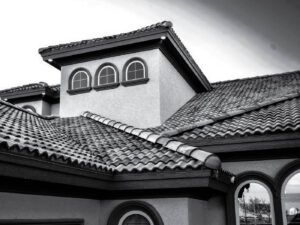
4. Roof Type
The type of roofing material you have plays a critical role in the repair vs. replace decision. For instance:
- Wood Roofs: Wood roofs need regular maintenance, like sealing and cleaning, to prevent moisture damage. With proper care, they can last 30-50 years, offering a distinctive but high-maintenance option for homeowners.
- Asphalt Roofs: Repairs are simple, as individual shingles can be replaced easily. While they typically last 20-30 years, their low cost makes them a practical choice for many homeowners.
- Metal Roofs: Highly resistant to harsh weather, they can last 40-70 years depending on the material. Metal roofs reflect sunlight, reducing cooling costs, making them a sustainable and stylish option for homeowners seeking long-term value.
Your material choice matters not just in determining the scope of repairs but also when considering aesthetics. For older roofs, matching materials to the existing style can be challenging.
5. Imminent Weather Conditions
Is storm season around the corner? Weather impacts roof repair decisions in two ways. First, immediate repairs might be necessary to prevent further damage from heavy rain or high winds. Second, waiting to replace your roof until after the storm season may protect new materials from premature wear.
Tip: If time is of the essence, focus on temporary roof repairs to avoid additional costs down the road.
6. Future Plans for Your Home
How long you plan to stay in your current home will also influence your decision.
- Selling Soon? A new roof is an attractive selling feature that can influence your home’s resale value. Buyers may see it as one less thing to worry about, potentially increasing your asking price.
- Staying Long-Term? A quality replacement that extends your roof’s lifespan will save you money over time and reduce your annual repair expenses.
7. Energy Efficiency
Modern roofing materials offer better insulation and energy efficiency. If you’re considering a full replacement, you’ll have the opportunity to choose materials that reduce energy costs, such as metal roofs with reflective surfaces or green roofs that aid in temperature control.
While roof repairs won’t provide the same energy-saving benefits, upgrading to an energy-efficient roof can offset installation costs in the form of lower utility bills.
8. What About Re-Roofing? A Cost-Effective Alternative
If you want to avoid high costs but aren’t ready for a full replacement, re-roofing is a potential solution. This involves laying a new layer of shingles over the existing roof.
Advantages:
- Cheaper than full replacement
- Requires less time and labor
Drawbacks:
- Doesn’t address damage beneath the surface
- May not be allowed by local building codes if you already have two layers of shingles
Speak to your roofing contractor to determine if re-roofing is a viable option for your home.
9. Cost Comparison
Ultimately, cost is one of the biggest factors homeowners must weigh. Repairs tend to be less expensive, especially for small or localized issues, but they may only prolong the inevitable. Replacements, while seemingly more expensive upfront, come with long-term value through extended lifespan and reduced maintenance expenses.
To give you a better idea:
- Minor Repair Costs: Range from $300 to $1,000, depending on the damage scope.
- Full Replacement Costs: Range from $7,000 to $12,000 and up, depending on material and labor.
Remember: If an insurance claim covers roof damage, replacement might end up being a more affordable option after the deductible.
Weighing Your Options Carefully
Repair or replacement isn’t a choice to be made lightly. By considering the age and type of your roof, the extent of damage, weather conditions, and your long-term plans, you can make a decision that works best for your budget and home.
When in doubt, consult with a licensed roofing contractor for a detailed inspection. They can provide professional insights into what’s best for your specific situation and ensure you get the most value for your investment.
Need help deciding? Reach out to our roofing experts today for a no-obligation assessment of your roof’s condition and personalized recommendations for the best course of action.

How To Fix A Leaky Gutter Corner
Gutters & Eavestroughs Explained
An eavestrough is a channel that is connected to the eaves, taking the water away from the roof and usually towards a sewer or drainage system. A gutter is a more general term and can mean any place where runoff is stored or directed. Therefore, an eavestrough is essentially a type of gutter.
You will want to call a professional roofing company if there is a leak that is consistently coming back and more than you can handle with a simple DIY patch job. Your home’s gutters take on the duty of protecting your siding from rain runoff and snow melt. Gutters are exposed to extreme weather changes, heavy loads of snow and hailstones (Calgary is known for unpredictable hail storms), clogs of fallen leaves or fallen debris. The longevity of your home’s gutters are typically much shorter than your home’s lifespan
Leaky Gutters
Gutter corners are the most common spots where leaks can form. The main reason is that corners consist of two pieces that connect and the seam is at a natural weak point.
Factors that cause a leaky gutter:
- Poor quality of the gutter installation
- Used and old gutters
- Insufficient or inadequate sealant application
- Ice and snow pressure
- The expansion and contraction of the gutters
While it might not seem like a problem, a leaky gutter corner can put unnecessary pressure on your whole drainage system, resulting in damages to your roof and siding. Water can collect where you do not want it to – for example by your foundation and can cause structural damages.
First, identify if the leak is caused by a clog and not just a leak.
Cleaning out your gutters is unfortunately another task to add to the list of yearly homeowner maintenance. But when a leak occurs it could be caused by a faulty system or can be clogged by debris. When rushing rainwater hits a blockage it will gush over that blockage and overpour over the edges of the gutters.
How to cleaning your gutters:
- Grab your ladder and a pair of sturdy work gloves, and take a look inside the rain gutters. If they are full of sodden leaves and smelly muck, it’s likely that your problem isn’t so much a leaking gutter as a spillover.
- Using a small trowel, a gutter scoop, or your gloved hands, clear away as much debris as possible, dropping it into a bucket for disposal. Then use a power washer or the strongest blast from your garden hose to clear away any remaining grunge.
- Once gutters are clean, use your garden hose to fill them up with water, and watch for leaks. If water runs through to the downspout without a hitch, you’ve solved the problem.
Tip: Inspect and clean your gutter bi-anually, during spring and fall are best!
If your gutters are frequently separating or appear to be coming off the roof, or if your fasteners are falling off faster than you can replace them, you need to have that inspected by a licensed roofing company. If you notice water in your basement, it could be a sign of a serious issue with your gutters.
Once your gutters are cleared you can begin to check for cracks and holes. As gutters age, it’s common for them to develop small cracks and holes where gutter sections screw together, due to rust and general wear at the weakest point in the gutters. If the crack and holes are small they can be patched with a silicone caulking, but if there are an excessive amount, call a professional roofing company to inspect further.
Further steps: tighten up loose gutters.
Over time, rain gutters often start to pull away from the roof, allowing water to drip over the gutter sides or between the gutters and the walls. Usually, this is due to gutter fasteners rusting or loosening after years of temperature extremes and exposure to water. Sometimes, the sag is drastic enough to spot just by looking. Sometimes it’s subtle, however, so if you aren’t sure, get a bubble level and check several spots through the leaky gutter section.

There should be no more than a ¼-inch drop in the direction of the downspout.
If it looks like the gutter is loose, check the gutter fasteners. In most homes, these are either spikes or clips.
- If your gutters are fastened with spikes, and some spikes are loose or rusted, simply hammering the spike back in isn’t likely to solve the problem, as the spike will tend to work its way back out. Instead, replace the spike with a thicker and longer nail, or better yet, a long screw for maximum hold. Rain gutter spikes or screws should be at least seven inches long, and eight is even better.
- If clips or brackets hold your gutters, check for broken clips and loose or missing screws. Replace broken clips by unscrewing the old clip, and then fastening a new one in place.
How To Fix A Leaky Gutter Corner
Now that it is established that the outpouring water is coming from a leak and not from a clog or loose gutters. While not a permanent fix, you can generally get another season or two out of the gutters (as long as the damage is not extensive) by applying a silicone or rubber gutter caulk or sealant. A waterproof sealing product is easy to use, simply squeeze into cracks and holes, then apply a further coating around the entire gutter joint.
How To Fix A Leaky Gutter Corner:
- To identify the exact point of the leak, spray your hose down the gutter to find the spot.
- Remove the existing sealant or caulking from the gutters with a putty knife. Please do not add more caulking to the old as it will not provide you with the protection you expect.
- Caulk the joints. Use silicone caulk to fill in the area between the gutter and the downspout and press the joint connection together as tightly as you can. Remove excess caulk and apply another bead around the edges.
- Clear away all the remaining debris of the caulking. Make sure your gutters are clean and clear.
- Take your sealant of choice (we advise using gutter seal), and apply it directly over the seams where the leak is occurring. If the hole is large, you may need to replace your gutters, and a professional recommendation is encouraged.
- Do the same for multiple corners if you have more than one leak.
To fix holes in a gutter:
- Clean the area around the hole with a wire brush to get away any rust or dirt. Make sure you fully dry the area before the next step.
- Apply roofing cement around the hole, then patch it with metal flashing.
- Cover the flashing completely with more roofing cement.
Preventing A Leaky Gutter in Calgary
How To Prevent A Leaky Gutter Corner:
Maintenance can keep your gutters in good shape. By following these routine steps for maintenance, can reduce the risks of gutter corner leaks occurring. Having a professional roofing contractor inspect your roof and gutters twice a year can ensure your gutters remain functional, won’t damage your home and increase curb appeal.
- Clean rain gutters each spring and fall, removing fallen leaves and grunge
- Consider installing qualify leaf guards or mesh over the gutters if your home is surrounded by a lot if deciduous trees.
- Sweep heavy loads of fallen leaves off your home’s roof, as these are likely to make their way into the gutters.
- Inspect rain gutters annually for cracks, holes, loose or missing screws, and other damage. It’s better to fix problems right away, rather than wait until you find your gutters leaking.
- Check downspouts whenever you clean your rain gutters. Run water into the gutter at the top of the downspout, and watch the drainage at the bottom.You might need to run a strong blast of water from your garden hose to dislodge stubborn blockages.
- If the downspout is loose, replace or reattach the downspout straps, which are metal brackets that screw into the side of the house to hold the downspout in place. You’ll find downspout straps at most home improvement centres.
Download our free ebook
To learn more about your home get your free copy of: A Simple, No Fuss Homeowners Guide to Inspecting Your Own Roof
Hail Resistant Roofing
Hail Resistant Roofing - Class 4 considered the standard for Calgary shingles
The next hail storm can hit when we least expect it – get your home protected by impact-resistant shingles. Impact-resistant roofing material is often referred to as “IR” roofing shingles, they are designed to help minimize roof damage during severe weather conditions. Hail resistant roofing shingles can more effectively extend the lifespan of your roof.
Hail can come at any time during the warmer months and can cause serious damages to your home’s roof. Calgary has had five damaging hail storms between 2010 and 2020 and is Canada’s No. 1 city for hail according to the Western Financial Group. Your choice of roofing shingles will play a critical role in protecting your home from the elements.
Let’s explore Hail Resistant Roofing available now – we will provide some opinions on specific materials and which one will protect your home from the elements. Impact-resistant shingles have a rating of Class 1 through Class 4.
Hail resistant roofing material in Class 4 impact-resistant rating is hitting the North American market by storm and has been tested to withstand the harsh impact hailstones can have on your home’s roof.
Here is the breakdown of the various roofing non-impact-resistant material shingles can be made of and how the engineering has evolved in the materials used. As a result you will know and understand more about the technology behind these impact-resistant shingles, how they will protect your roof, and what class of impact rating they possess.
Strength and Durability Depends on the Material
Conventional Roofing Materials vs. Hail Resistant Roofing Materials
Even when you look at a clay tile roof you can admire how lavish they look but also you may consider the fragility of the clay shingles. For one they are a bit impractical for snow and hail prone regions and the on-going maintenance can lead to fractured tiles. So you can imagine the damage that hailstones at high-velocity winds can cause. Wood shingles and shakes better, but as wood ages it becomes more brittle and can split, making the roof more susceptible to hail damage, wind uplift, and moisture damages. Similar to wood, asphalt shingles initially fare well against hail, but shingles wear out quickly and become increasingly likely to damage from small hailstones.
Durability and longevity are essential components of a hail-resistant roof. This is why metal roofing is considered one of the best roofing materials for hail-prone regions. It’s also one of the main reasons metal is used so frequently on commercial buildings and industrial facilities. But industrial standing-seam or corrugated metal roofs lack the aesthetic elements that most homeowners require. The choice of material will also impact ease of installation. All asphalt shingles are reasonably easy to install for most roofers, along with rubber, while metal can be more technical.
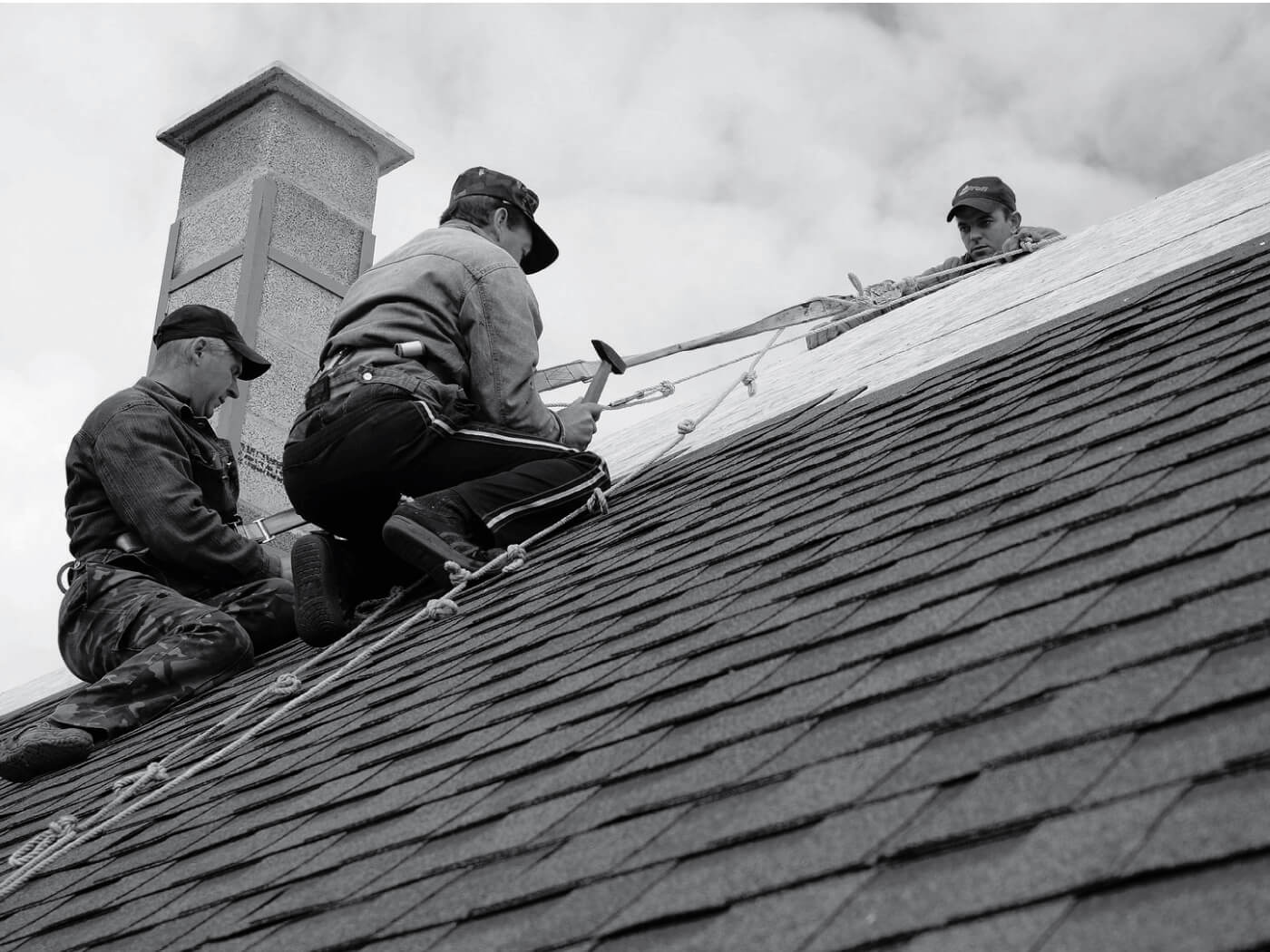
Traditional Impact-resistant shingles are manufactured in two ways:
- A reinforcing, polymer-based mesh is added to the back of a standard asphalt shingle. This mesh is embedded into the asphalt and helps hold the shingle together, preventing the shingle from splitting when impacted by hailstones or other objects.
- Rubber-like polymers are added to the asphalt composition. The combination of the polymer blend with the asphalt produces a rubberizing effect, creating a shingle that is more flexible and capable of recovering from hail impact.
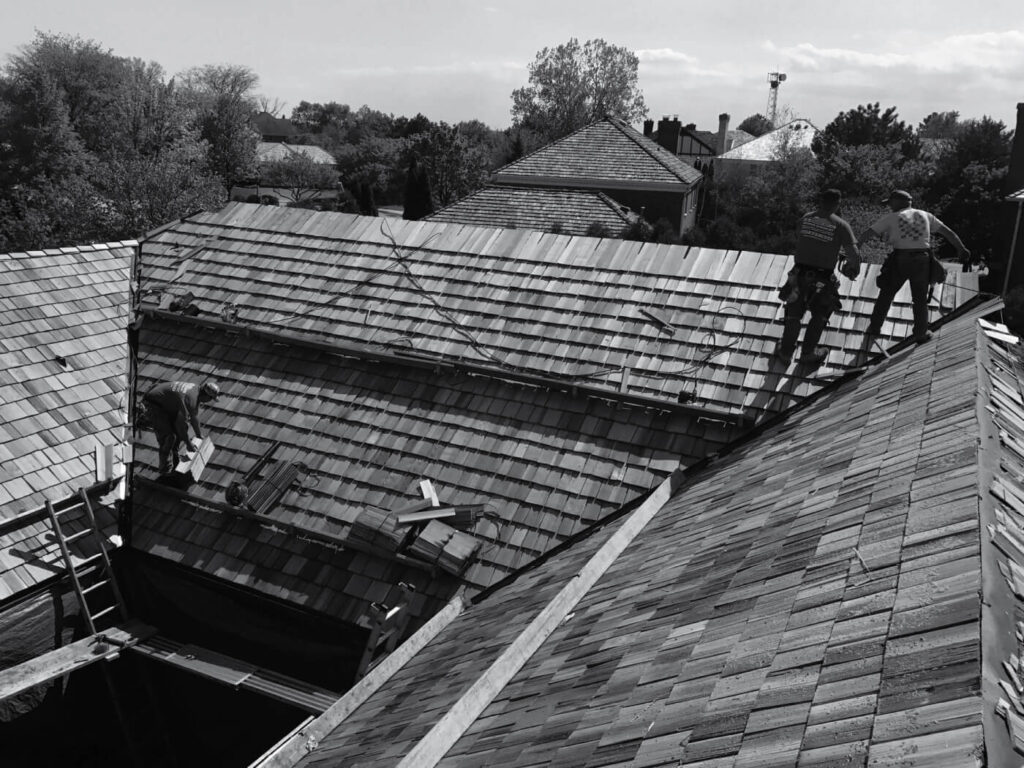
How Do Roofing Shingles Qualify for a Class 4 Rating?
Class 1
Shingles that can withstand steel balls that are 31.8 mm or 1.25 inches in diameter
Class 2
Shingles that can withstand steel balls that are 38.1 mm or 1.5 inches in diameter
Class 3
Shingles that can withstand steel balls that are 44 mm or 1.75 inches in diamete
Class 4
Shingles that can withstand steel balls that are 50.8 mm or 2 inches in diameter
What are Impact-Resistant Roofing materials and how are they rated Class 1 - 4
Based on their resistance to the impact of steel balls dropped from varying heights. A UL2218 Class 4 Impact Rating is the highest possible rating for impact resistance.
During this testing method, a steel ball is dropped from a specified height onto an installed roofing shingle several times. The shingle is then turned over and inspected for any breaks or cracks that could potentially allow water to leak through.
The Class 4 test simulates the damaging impact of a 2” hailstone by dropping a 2” steel ball onto the same spot twice from 20’ high. In order to achieve a Class 4 rating, the roofing material cannot exhibit any signs of fracture.
While Class 4 is the highest rating for impact resistance, there are also lower ratings a shingle can receive, such as Class 3 and Class 2. The difference between the ratings is that Class 3 shingles withstand a smaller steel ball dropped from a lower height, and likewise for Class 2.
The best protection is found in metal, rubber and tile roofs, followed by those with Class 3 or Class 4 high-impact-resistant shingles.
Class 4 - Impact-Resistant Roofing Shingles
What are the benefits of installing Class 4, Impact-Resistant Roofing Shingles?
Class 4 roofing shingles are considered to be a premium product and, therefore, may cost more than standard, non-impact resistant shingles. However, due to the various benefits of Class 4, impact-resistant shingles, the extra cost upfront may be a worthwhile investment if you live in an area where hail and wind storms frequently occur.
Class 4, impact-resistant shingles may:
- Reduce the frequency or repairs or eliminate them all together which is common in non-impact shingles. This means you can relax a bit more knowing you have given your roof its best chance at holding up against the storms. Less damage means fewer unexpected repair expenses.
- Extend the lifespan of your roof. Your shingles are your roof’s first line of defense. A roof with properly installed, undamaged shingles is better protected season after season.
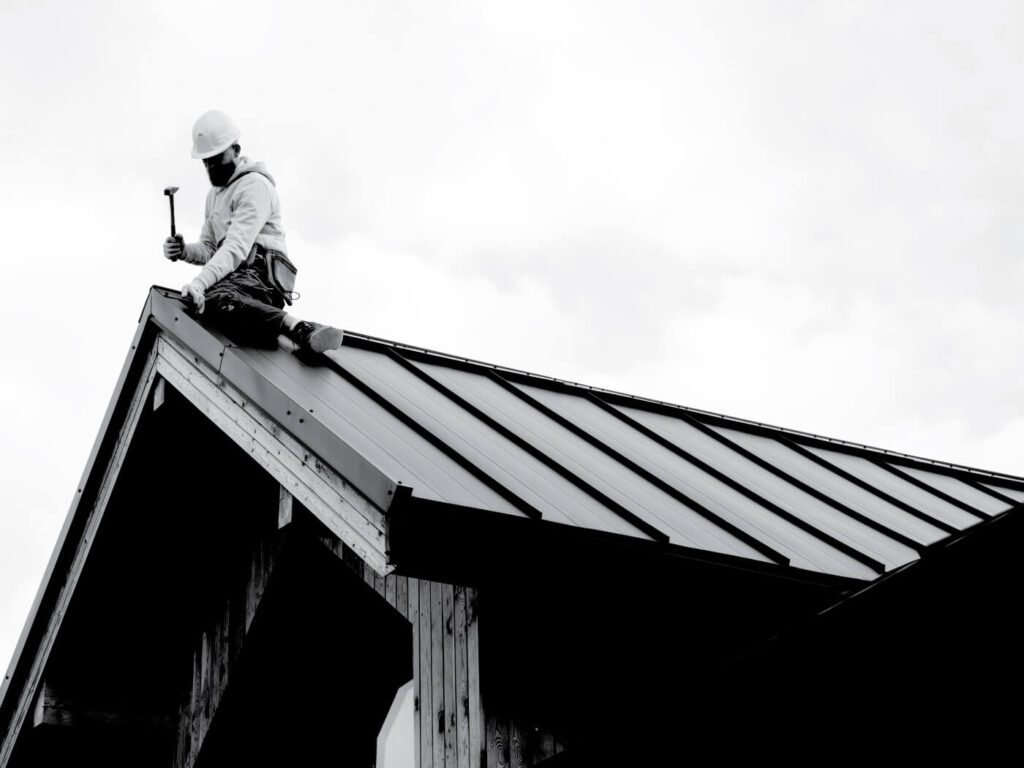
- Save you money on homeowner’s insurance and premiums. Contact your insurance provider to learn more!
- Prevent your insurance premiums and deductibles from increasing at renewal time. Having Class 4, impact-resistant shingles installed may help you keep your existing rates and avoid future increases. Contact your insurance provider to learn more!
If you live in a hail-prone region in Central-Alberta such as Red Deer, Edmonton and Calgary, now is the ideal time to upgrade your roof to a more resistant material. We hope that this
Warranty and More to Know
Reminder: Always call a professional and never access your roof alone.
Hail Resistant Roofing Shingles in Calgary are available now to be installed to best protect your roof. We trust that we have provided some opinions on these innovative materials and which one will protect your home from the elements. Hailstorms come at any time and can cause destruction, consider installing Impact-resistant shingles in Class 4 rating.
Download our free ebook
To learn more about your home get your free copy of: A Simple, No Fuss Homeowners Guide to Inspecting Your Own Roof
Hardie Board Colours Trend 2026
Hardie Board Colours Trend 2025
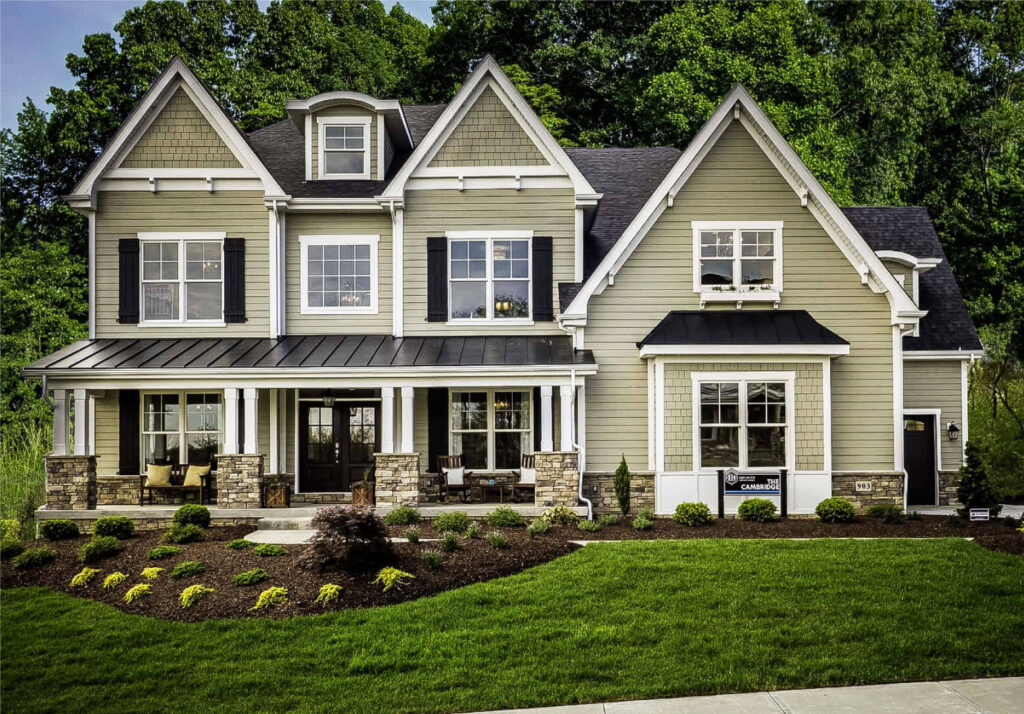
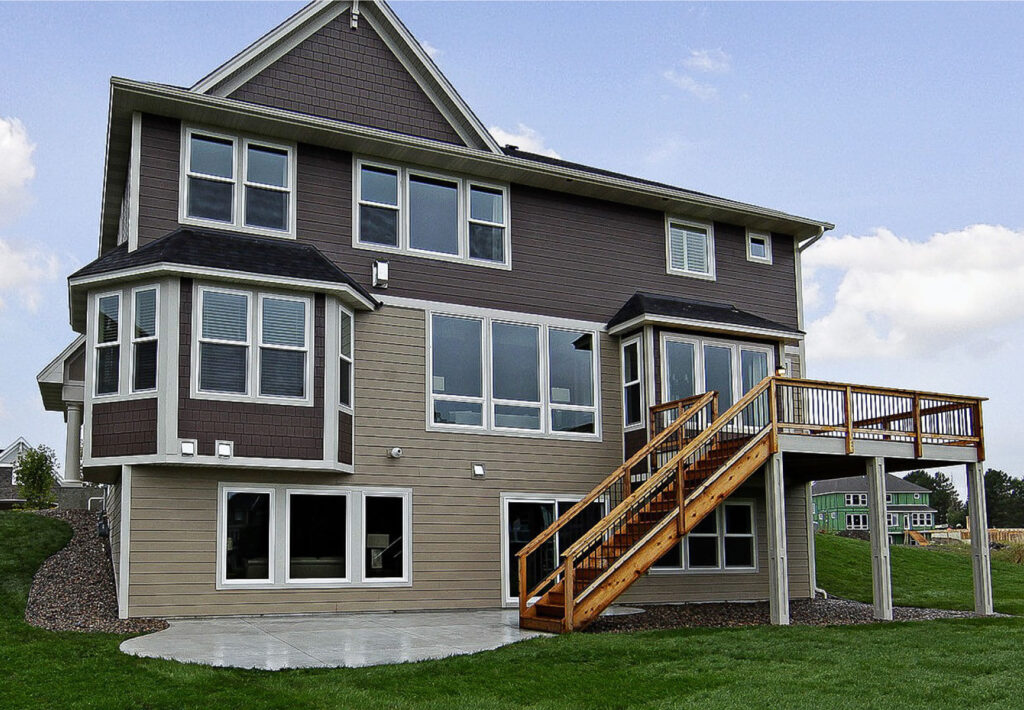
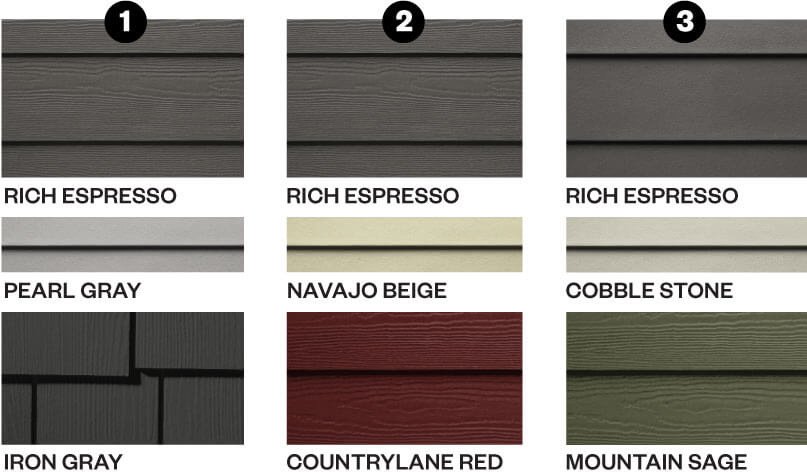
New James Hardie Board siding colours that are available for your home. The Statement Collection products feature your region’s most popular ColourPlus Technology colours. These siding and trim products are locally stocked and readily available. If you’re ready to make a statement in your neighbourhood then your search is over because the range that James Hardie offers is unmatched and will withstand the elements without compromising industry leading style.
List of the most popular choices
Below are some of the outstanding or unique colours that have graced the James Hardie siding colours options available in 2022, along with a brief description of the colour and the inspiration that the designers leaned on to create these well-executed colours.
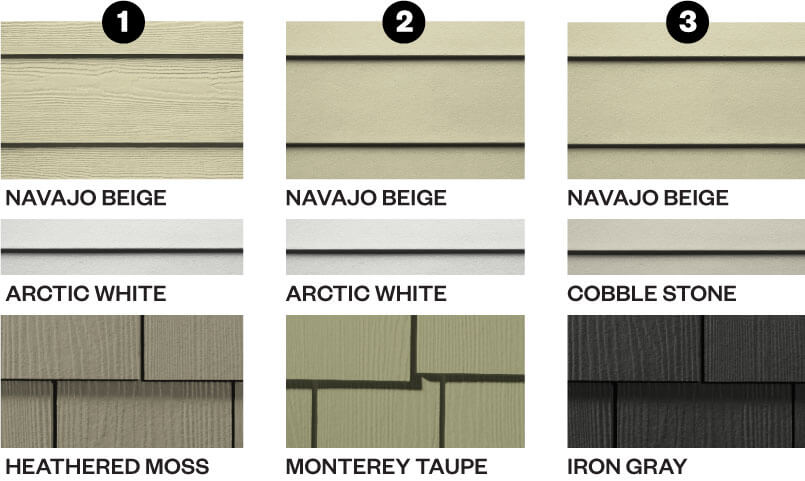
NAVAJO BEIGE SIDING
neutral, comfortable, classic, timeless
Navajo Beige is the kind of colour that never goes out of style. A classic neutral, it works well with almost any stonework, creating a handsome combination that will fit into any neighbourhood, or with any architectural style.
Favorite colour combinations with navajo beige siding
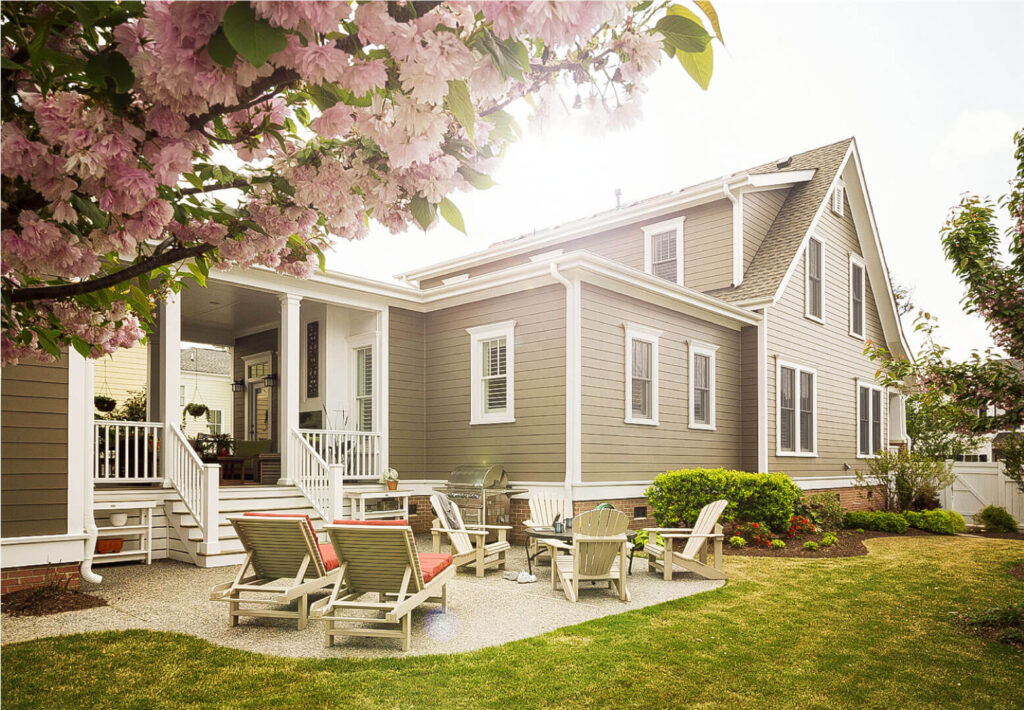
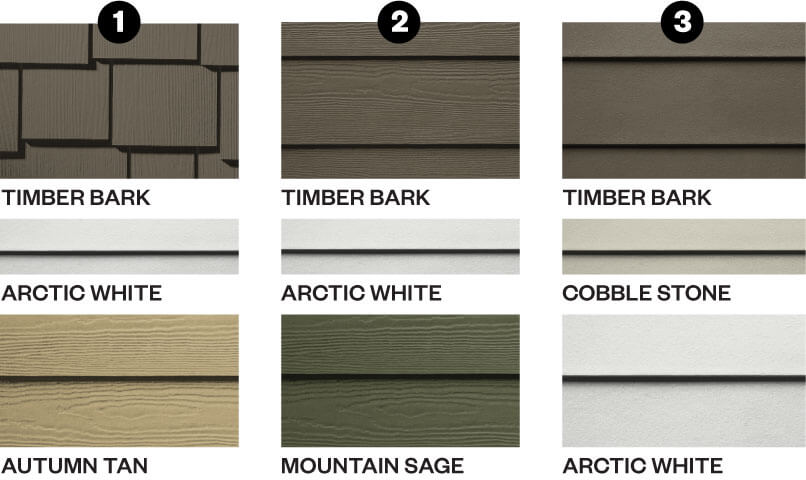
TIMBER BARK SIDING
elegant, versatile, smart distinctive
The deep grey-brown of Timber Bark is pure elegance. Whether you choose it for the main body of your home, or as an accent, you won’t have to worry about it going out of style.
Favorite Colour Combinations with Timer Bark Siding
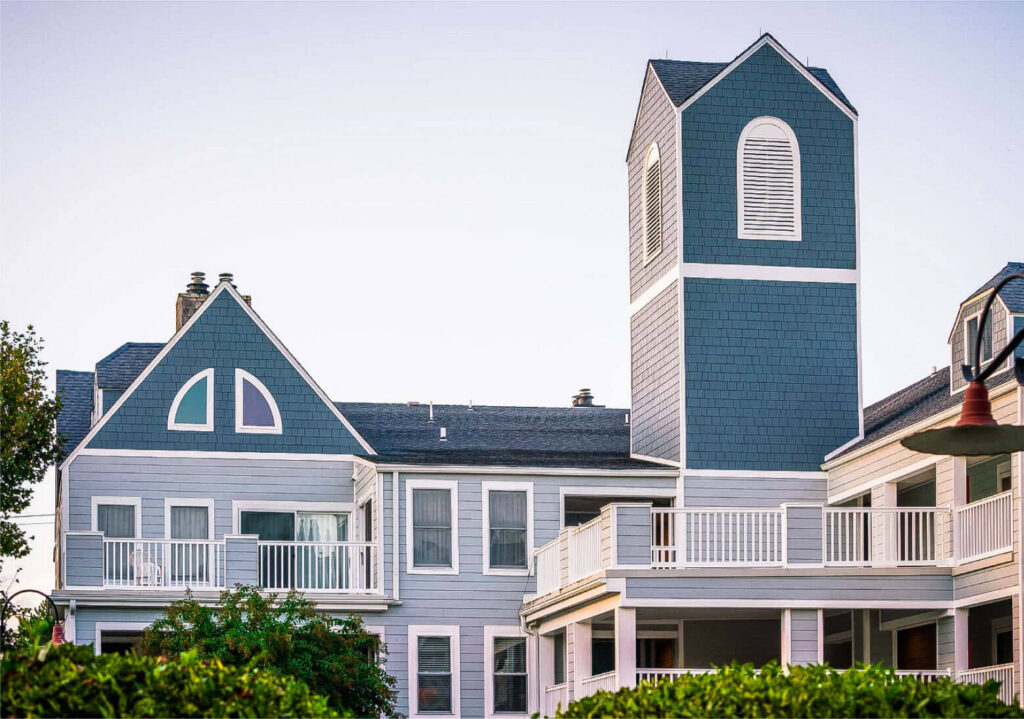
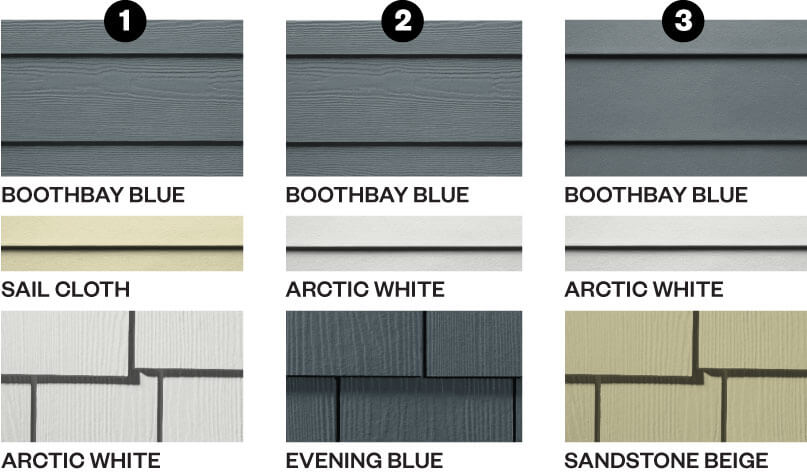
BOOTHBAY BLUE SIDING
soft, peaceful, inviting, homey
Like sitting at the water’s edge just as the sun starts to set, Boothbay Blue has a soothing effect. It is the perfect shade for those who love blue and are looking for a softer option.
Favorite Colour Combinations with Boothbay Blue Siding
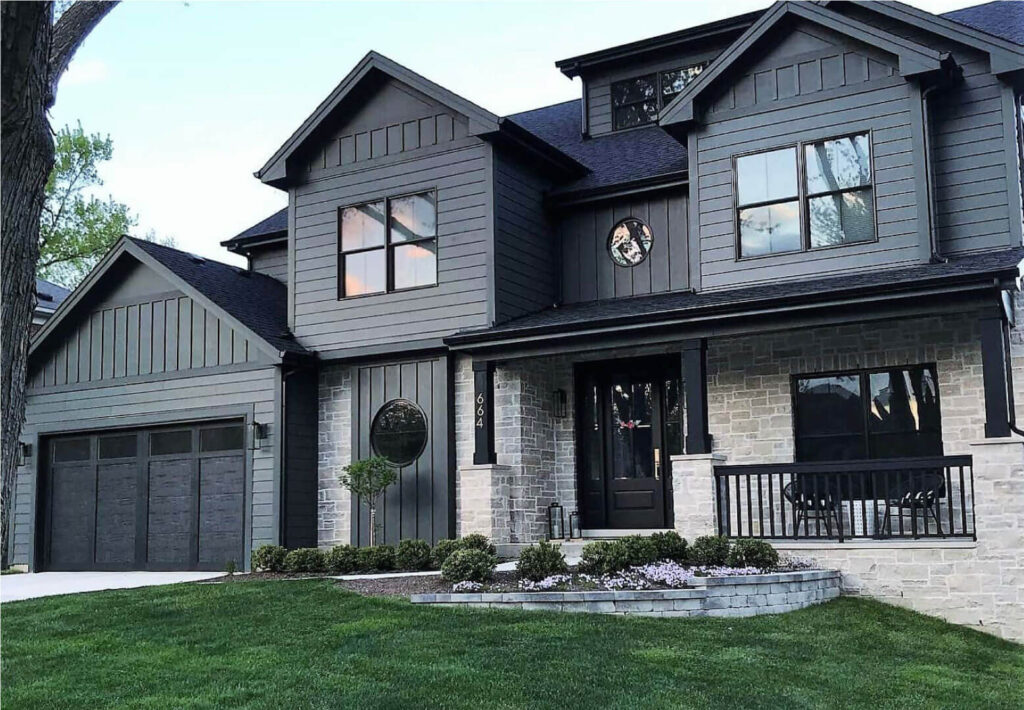
IRON GREY SIDING
unique bold, elegant, dramatic
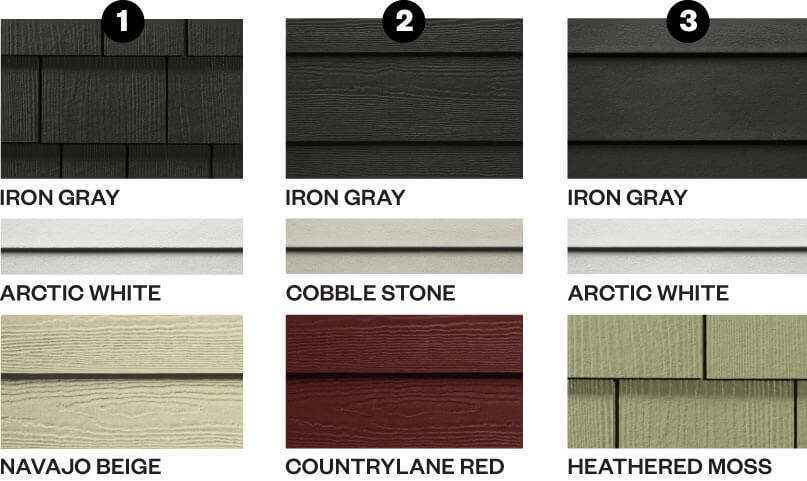
Create the house that everyone notices and admires, just like the unique doors all over old European cities. Iron Grey’s deep, bold shade provides a dramatic yet elegant look. Pair with Arctic White trim for a crisp combination that pops.
Favorite Colour Combinations with Iron Grey Siding
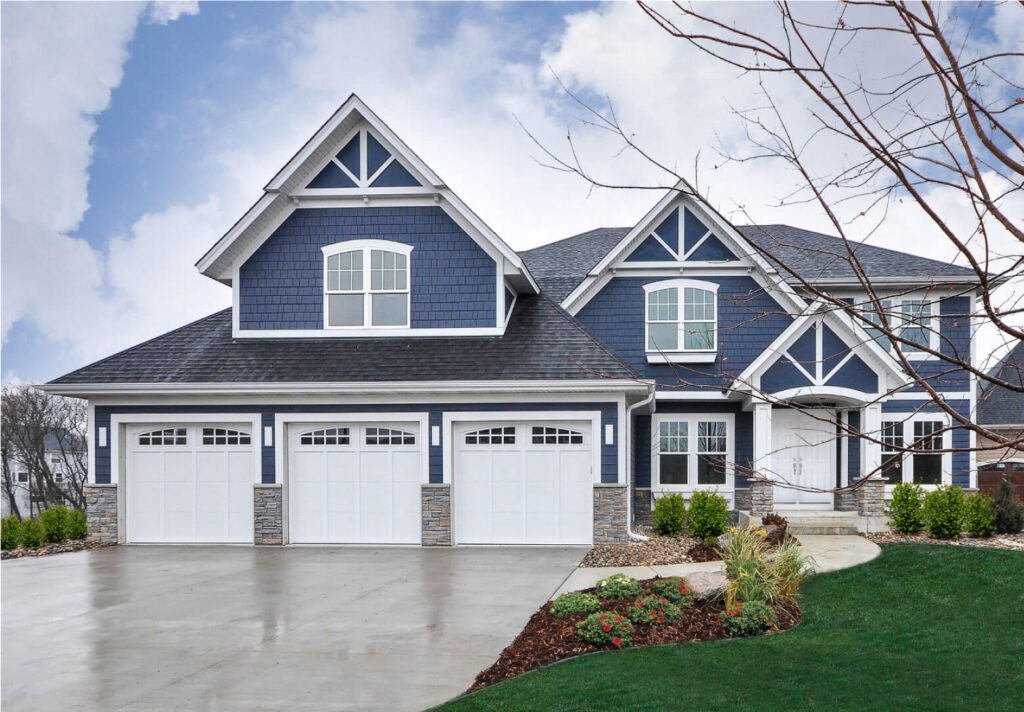
DEEP OCEAN SIDING
distinctive, bold, unique, refined
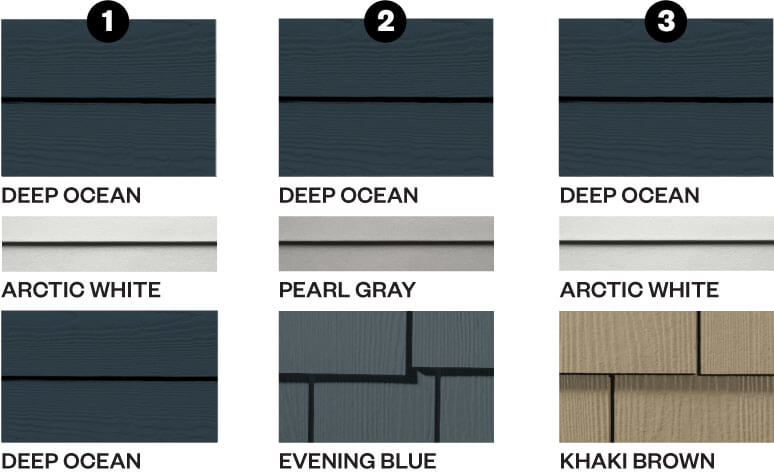
The deeper the blue, the higher the impact. Deep Ocean is a stunning colour that reads as both classic and modern. Use it for a bold main colour or a distinctive accent.
Favorite Colour Combinations with Deep Ocean Siding
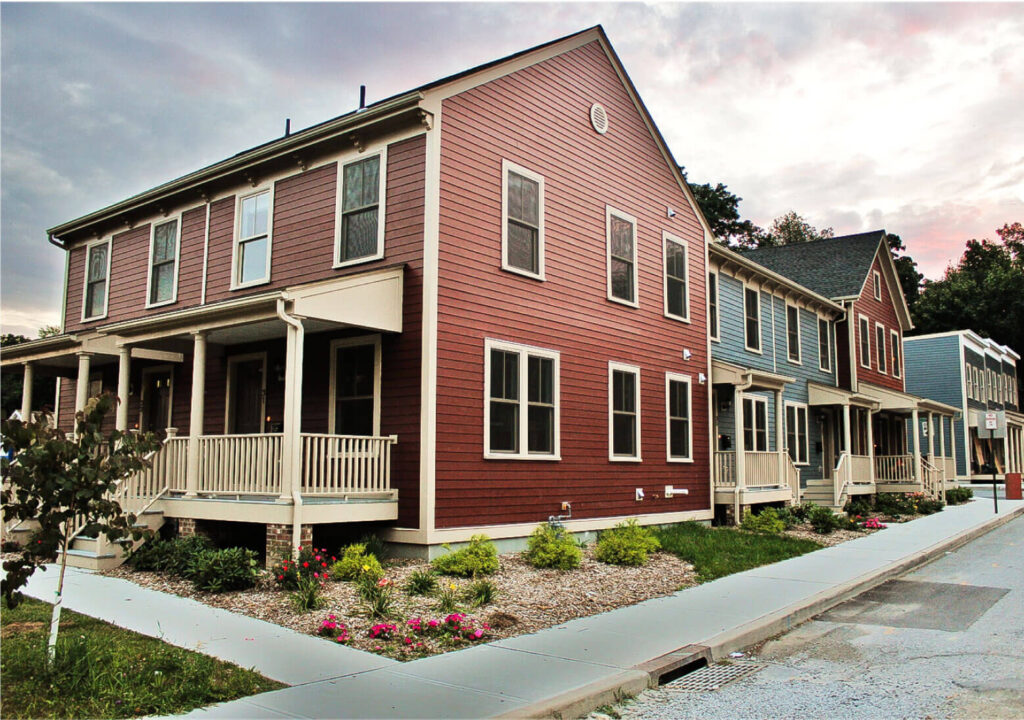
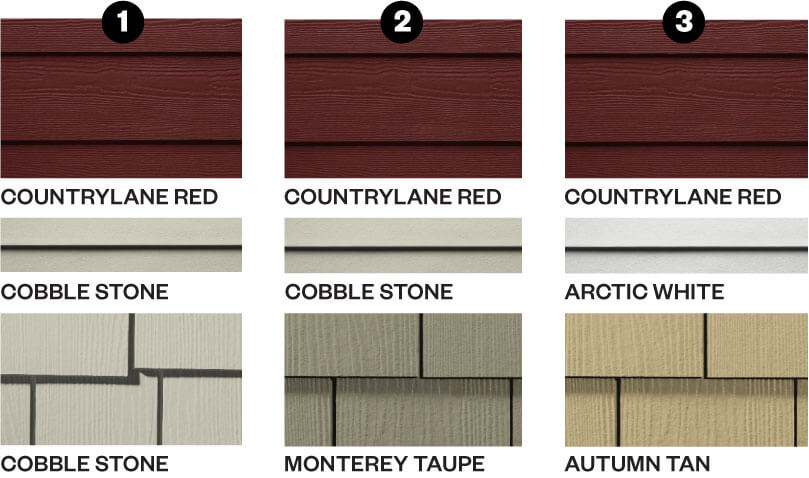
COUNTRYLANE RED SIDING
bold, distinctive, warm, inviting
Imagine an afternoon drive through the countryside, weaving through cornfields dotted with red farmhouses. That is the comforting feeling that Countrylane Red evokes. Like a rural North American landscape, this shade offers character, without overwhelming the eye.
Favorite Colour Combinations with Countrylane Red Siding
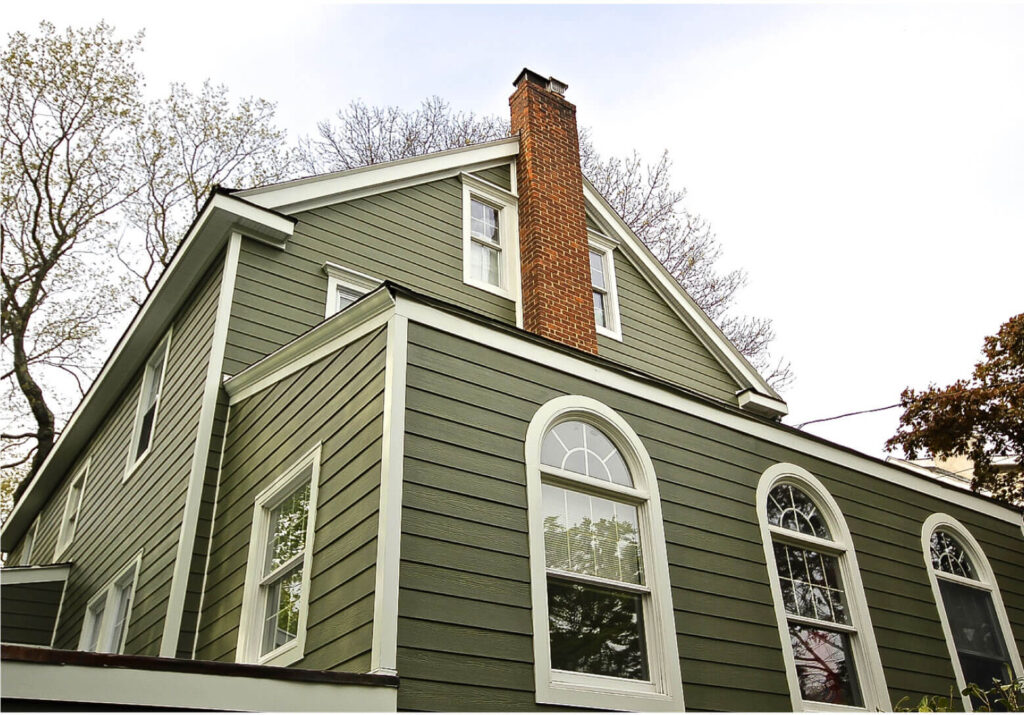
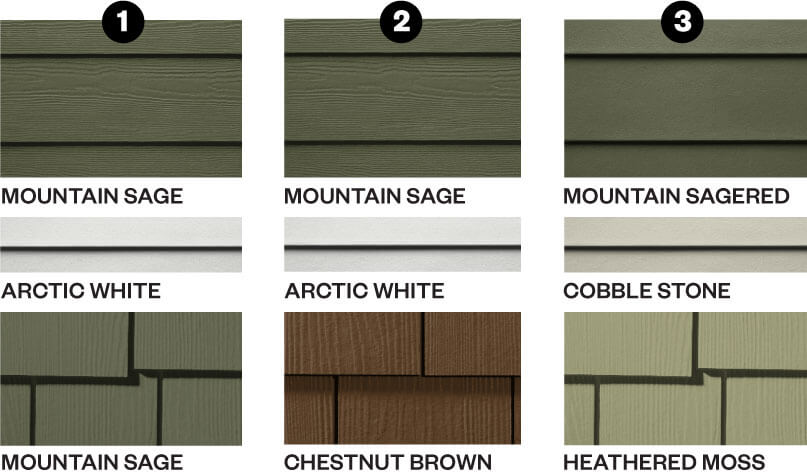
MOUNTAIN SAGE SIDING
understated, soft, natural ,earthy
A natural green that’s neither too light nor too dark, Mountain Sage is a great in-between. It pairs well with soft neutrals and will add character with its understated presence.
Favorite Colour Combinations with Mountain Sage siding
RICH ESPRESSO SIDING
bold, fearless, sharp, distinctive
Don’t be afraid of introducing some darkness to your home’s exterior. After all, a little mystery never hurts. Ideal for trim, Rich Espresso pairs well with CobbleStone, Monterey Taupe and Timber Bark.
Favorite Colour Combinations with Rich Espresso Siding
Other siding colours:
All the options available for your home from James Hardie.
ARCTIC WHITE
GREY SLATE
COBBLESTONE
NIGHT GREY
MONTEREY TAUPE
EVENING BLUE
KHAKI BROWN
AGED PEWTER
PEARL GREY
WOODSTOCK BROWN
LIGHT MIST
I would highly encourage going to the James Hardie website to explore the full catalogue and all colours available in your area. James Hardie has a great tool called the “Exterior House Colour Visualizer” in which you can choose from different tones of colours depending on what you are visually attracted to. The colour visualizer tool will allow you to choose your main exterior siding, trim, and any accent siding to see how the different tones and shades can go together.
What colours does James Hardie siding come in?
There are currently 19 available colours to choose from in the Calgary and surrounding areas catalogue, with more colours being added every year. You can explore all the colours available on the website and can request for a sample of the siding to ensure you are making the right decision.
How long does the colour on James Hardie siding last and how often does it need to be painted?
Will James Hardie siding increase home value?
Using a manufacturer that is a recognized leader like James Hardie will most likely increase your home’s value. Their products are made with a lifetime value in mind and the performance and durability is shown in the customer and contractor testimonials. If you are looking for a siding contractor make sure they specialize in installing James Hardie. James Hardie products are exceptional because of their industry leading technology with classic designs that will no doubt add curb appeal to your home.
Download our free ebook
To learn more about your home get your free copy of: A Simple, No Fuss Homeowners Guide to Inspecting Your Own Roof
Roof Types Canada: Top Six
Top six Roof Types Canada
Whether you are updating your existing roof or in the market to install a new one, weighing out the positives and negatives of each type of material is important to know that you are making the best choice for your home. Your roofing contractor must have the proper preparation for the installation and be knowledgeable about each type of material used before you commit to the type of roof.
The functionality and lifespan of a roof depend on many factors such as manufacturing, maintenance, and installation. The roof’s style and the architecture of the building have an impact on durability and longevity but not as much as the material has. The main factor that should always be in consideration is the climate that your roof is installed in and materials can perform differently under those variables. The climate in Canada can vary and more specifically Calgary weather can be unpredictable and damages can go unnoticed. This is why it is important to know what material works best for Canadian homes due to each of the materials performing differently under various extreme weather conditions such as rain, hail, UV rays, and snow.
Choosing the right material for your home can significantly increase the longevity of your roof and add value to your home. It can also be a great time to upgrade your home’s curb appeal and style. Below you will learn about different roof types in Canada and go over some of the pros and cons of each material.
Below is the top six roof types in Canada:
Asphalt Roofs
Asphalt shingles are the most common type of residential roofing material used in Canada. They have now been reinforced with fibreglass material, which increases the longevity of the product.
There are two types of asphalt shingles: architectural and designer. Architectural shingles are among the highest quality roofing products made. They are made up of heavy fibreglass mat base and ceramic-coated mineral granules that are tightly embedded that enable them to be water-resistant. Designer shingles are inspired and made to look like other roofing materials like slate. Some can have different tones and colour depths that are not commonly found in architectural shingles.
Pros: Asphalt shingles are the most economical roofing product in Canada. They have the lowest supply and installation cost of all roofing material and are easy to install. Asphalt shingles are environmentally friendly and can be recycled and reused many times. The colour choices are endless and come in different shapes.
Cons: This product has the shortest life span of all the roofing materials as it only lasts 10- 25 years. Asphalt does not provide any insulating effects and can reflect solar energy in the winter. Expect to have little pebble-like granules that can fall into the gutter when they are exposed to hail.
Cedar Shake Roofs
Also known as cedar shakes, are basically shingles made from wood. Coming in at the second most common type of roofing material in Canada, wood shingles are an aesthetically pleasing option and can add a unique look to your home. Wood shakes have been around for hundreds of years, and come in many many shapes, stains and sizes. Typically in North America shakes are made from Red Cedar.
Pros: Can give any home a natural and rustic look. You will most likely have some jealous neighbours because of the aesthetically pleasing appeal.
Cons: The greatest negative of wood roofing is that it comes with a great cost. It is one of the most expensive roofing materials to install as it can be three times the cost of asphalt shingles. It can also be subject to mold and mildew if improperly placed and is mostly definitely not fire resistant.
Metal Roofs
Metal roofs are probably the most resistant material to extreme weather variations. Therefore, it is a great choice for the Canadian Climate. It is available in two styles, which is the shingle and panel variation. They are manufactured from zinc, aluminium, copper, and even stainless steel.
Pros: Metal roofing is extremely long lasting, lightweight and is comparable to the cost of asphalt shingles. They can be recycled down the road which makes them environmentally friendly and more commonly now people are using them for rainwater harvesting.
Cons: The only negative of metal roofing is that snow loads on pitched roofs can easily slide off, due to this there must be slip guards on these homes to combat dumps of snow. As well as maintenance can be a bit difficult.
Slate Roofs
Tile roofs are becoming more common in the new Canadian housing market. Versatile in design, come in a wide range of colours. The cost has also come down for the supply and install of a slate roof. Slate is composed of clay or volcanic ash so which makes them quite lightweight.
Pros: A slate roof is resistant to rot, pests, and fire. This type of roofing material can last upwards of 50 years and is easy to maintain. As stated before, it comes in a wide range of colours, is lighter than before, and can come in a wide array of designs.
Cons: The greatest negative of a slate roof is that they are still a heavy product all together and may need additional reinforcement of the trusses to withstand the weight. They are moderately expensive and the most difficult to repair.
Rubber Roof Shingles
Rubber roofs that are now mimicking shingles, are a relatively new product on residential roofs in Canada. As rubber has been around for centuries in regards to waterproofing and used as sealants they are now being used as a residential roofing material. Rubber roofs are extremely durable, long lasting, and easy to repair. Rubber shingles consist of up to 95% recycled materials, including recycled rubber and materials such as tires, sawdust and slate dust.
Even though rubber roofing is a relatively new product, rubber has been used for waterproofing and sealants for more than a 100 years.
Pros: Rubber roofs are extremely durable and fire resistant. They have high solar absorbance and can increase the insulating effects of your home. They are aesthetically pleasing and are long lasting – upwards of 50 years!
Cons: The greatest negative of rubber roofing is the cost. As they are installed as individual shingles (like wood shakes), the cost associated with the labour can be high.
Clay roofs
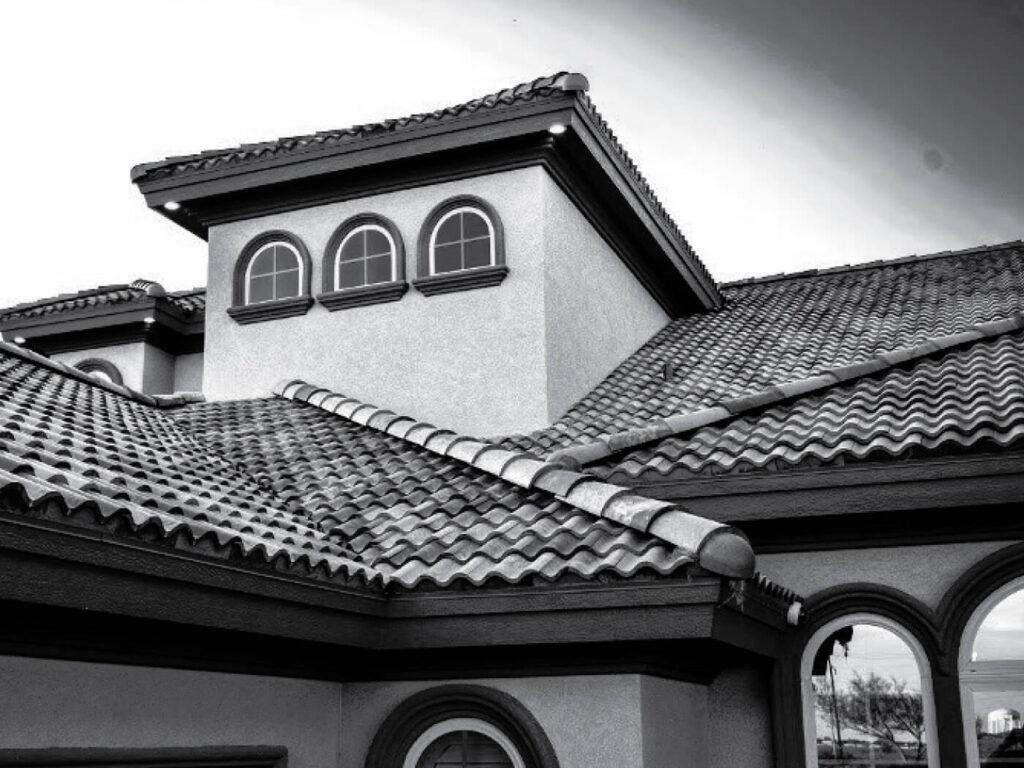
Clay tiles are made from very tough material and are made from natural earth materials. They can add a rustic feel and extremely unique look to a home, that no other material can achieve. They are unique choice in a home in the Canadian market, clay roofs are bound to stand out in the neighbours.
Pros: Clay roofs are impervious to rot and insect damage. They are both environmentally friendly, energy efficient and have relatively low maintenance.
Cons: Clay roofs are pricey, but worth the cost if you are looking for something very long lasting. They can be brittle during installation and are not suitable for all roof slopes.
Overall opinion:
I trust that this has given you an abundant amount of about of information and now it its time to weigh out the pros and cons of each of the materials that are most common in the Canada. These different roof types in Canada can withstand the extreme weather shifts that can happen in Canada. Each material has to be taken into consideration on the style of home you are building, architectural guidelines you must follow, and the cost you are willing to spend on a roof, and overall look that you want to achieve is an important decision to make.
Unfortunately the Canadian weather tends to be harsh on roofs. Talk to your neighbours and see what material has worked for them. This is also a great time for you and your contractor to build a trust and have them choose which material they are most experienced in and have had the most well served success with.
Common FAQ’s about Top Six Roof Types Canada:
Asphalt is most common but rubber roof shingles and metal are popular for environmentally friendly aspects.
What are the 4 main types of residential roofing?
1. Asphalt Shingles
2. Metal Roofing shingles
3. Rubber Shingles
4. Wood
Rubber roofing shingles have become more popular recently with customers understanding the longevity of them, the only setback is the price. Asphalt being the most popular.
Learn more in our free ebook
to learn more about your roof get your free copy of: A Simple, No Fuss Homeowners Guide to Inspecting Your Own Roof