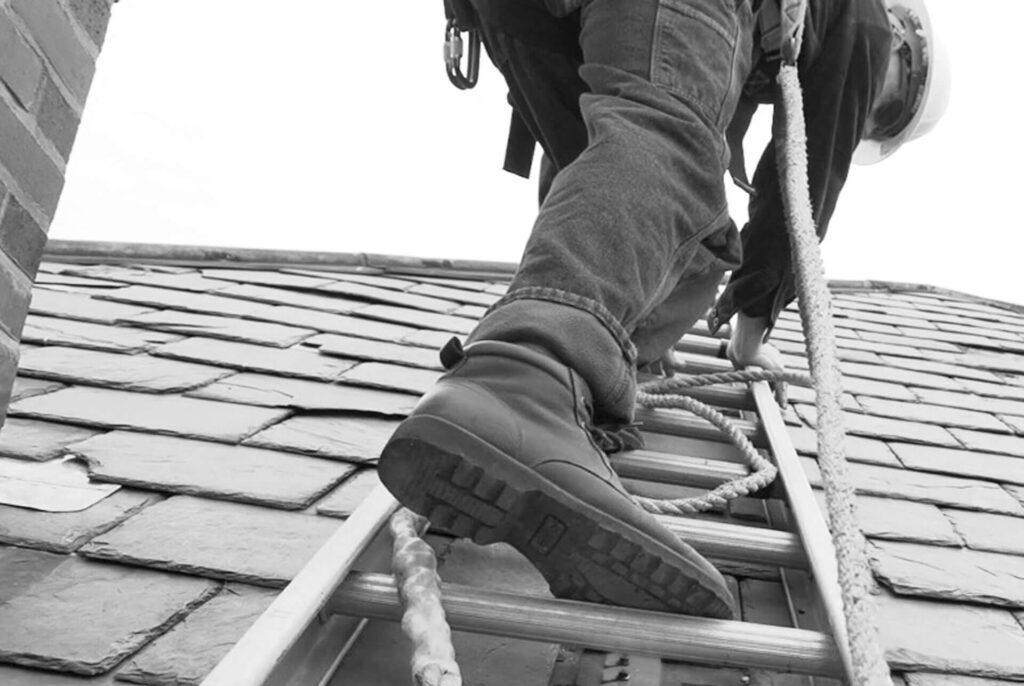
Cabin Roof & Exterior Maintenance in Invermere & Windermere
Prepare your Columbia Valley property for winter weather. Discover key roof, gutter, and siding maintenance tips from Bears Valley Roofing.

Calgary’s climate is notorious for putting residential roofs through the ultimate durability test. Between sudden Chinook temperature swings in January, severe freeze-thaw cycles, and summer hail storms sweeping across Southern Alberta, homeowners are constantly seeking roofing materials that survive the weather without compromising aesthetic charm.
For decades, custom builds in established Calgary communities like Springbank Hill, Discovery Ridge, Elbow Valley, and Mount Royal relied on heavy clay tiles or natural cedar shakes. While beautiful, aging cedar split and mossed over, while heavy clay proved brittle under intense hail.
Enter rubber roofing—specifically modern rubber shakes and slates engineered from recycled tires (such as locally manufactured Euroshield). While transitioning from conventional asphalt to rubber is straightforward, converting from clay tile or cedar shake involves distinct structural mechanics, deck prep, and cost considerations.
Here is everything Calgary homeowners need to know about substrate prep, realistic line-item considerations, insurance benefits, and long-term return on investment.
Replacing cedar shake or clay tile with rubber isn’t a simple “tear off and nail down” procedure. Rubber panels require a continuous, flat structural surface. Clay tile and cedar shake framing systems are built very differently.
Cedar shakes are historically installed on spaced (or skipped) decking—wood strapping laid across rafters with gaps in between. This construction allows air to circulate under the cedar shakes, letting them dry after rain or snowmelt.
Rubber roofing systems, however, cannot be installed over open gaps.
Clay and concrete tiles are among the heaviest roofing materials available. Rubber roofing, by comparison, weighs significantly less per square.
When evaluating rubber roofing quotes, general online estimators often fail because they don’t factor in the labor-intensive removal and re-decking processes unique to clay and cedar conversions.
A typical Calgary home converting to rubber roofing breaks down across these core cost categories:
| Cost Element | Cedar Shake Conversion | Clay Tile Conversion |
| Tear-Off & Disposal | Moderate | High (due to heavy landfill weight) |
| Substrate Preparation | High (for full OSB re-decking) | Moderate (for batten removal & repair) |
| Materials & Interlocking Panels | Premium Grade | Premium Grade |
| Specialized Labor & Flashing | Skilled Labor Required | Skilled Labor Required |
| Estimated Total Investment | Higher Than Standard Asphalt | Higher Than Standard Asphalt |
Note: Prices vary based on roof pitch, dormer complexity, chimney flashing, and local market material costs.
While the upfront investment is higher than standard architectural asphalt, rubber roofing is engineered as a long-term lifetime product, making the cost-per-year significantly lower over time.
Calgary sits in “Hailstorm Alley,” where summer storms regularly inflict millions in residential property damage. Clay tiles chip and shatter under large hail, while aged cedar shakes split easily along grain lines.
In forested, foothill, or ravine-adjacent communities (e.g., Bragg Creek, Springbank, Discovery Ridge), untreated cedar shakes pose a fire hazard during hot, dry summer months.
Rubber roofing systems carry a Class A or Class C Fire Rating (depending on underlayment configuration), satisfying modern FireSmart Alberta guidelines while matching the classic, high-end profile mandated by strict community Architectural Controls and Homeowners Associations (HOAs).
Many homeowners choose rubber roofing for its eco-friendly construction—a single roof diverts hundreds of recycled tires from Alberta landfills. However, a true sustainability assessment includes the disposal of the old roof material:
No. During manufacturing, recycled tire rubber undergoes a vulcanization and deep-curing process that neutralizes off-gassing oils. Additionally, modern rubber roofing tiles are surfaced with a protective coating and UV stabilizers. Even on warm summer days in Calgary, rubber roofs produce no noticeable rubber odor.
Yes. Unlike clay tiles—which crack under foot traffic—or cedar shakes that split when stepped on incorrectly, rubber roofing is virtually indestructible underfoot. Tradespeople, window washers, or solar panel installers can safely walk across rubber roofs without causing structural or cosmetic damage.
Rubber retains its flexibility across extreme low temperature ranges. While plastic/composite synthetic shingles can become brittle and crack during severe cold snaps, vulcanized rubber expands and contracts naturally without cracking, buckling, or losing its seal during sudden Chinook temperature shifts.
Prepare your Columbia Valley property for winter weather. Discover key roof, gutter, and siding maintenance tips from Bears Valley Roofing.
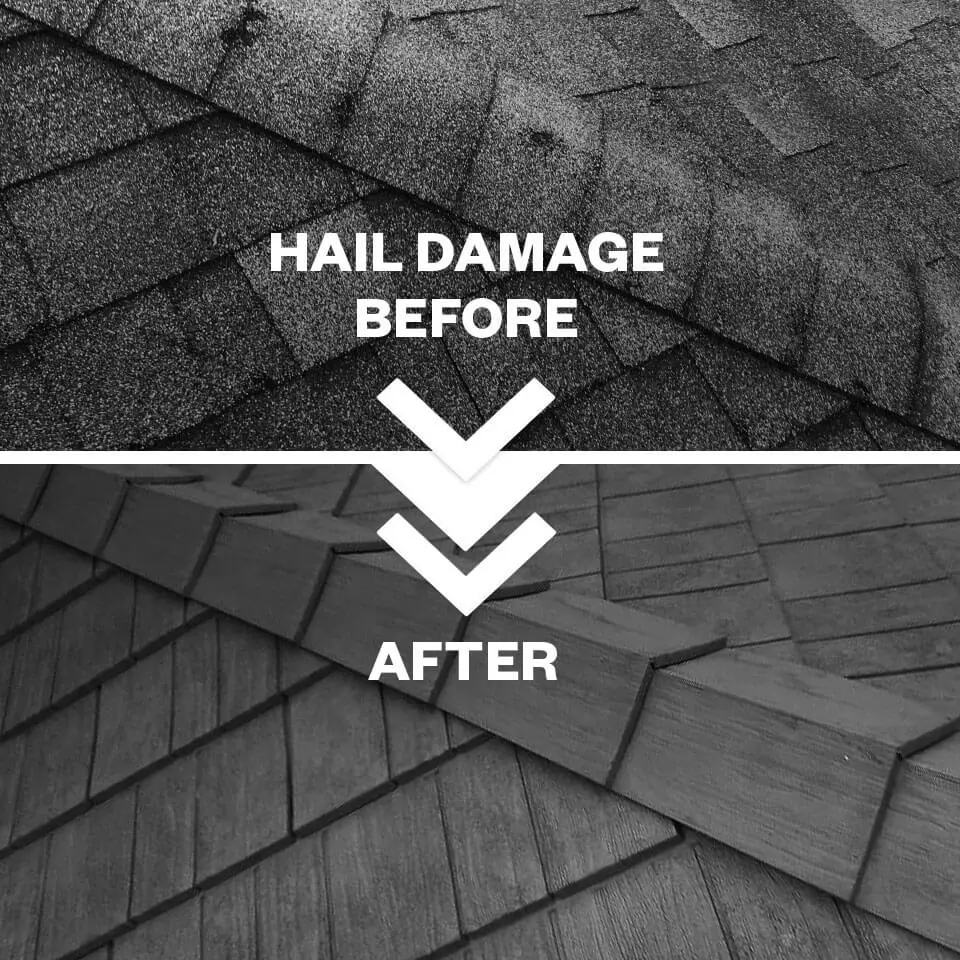
Did your Calgary home suffer hidden hail damage this summer? Learn what to look for, how Chinooks worsen roof leaks, and how to file before insurance claims expire.
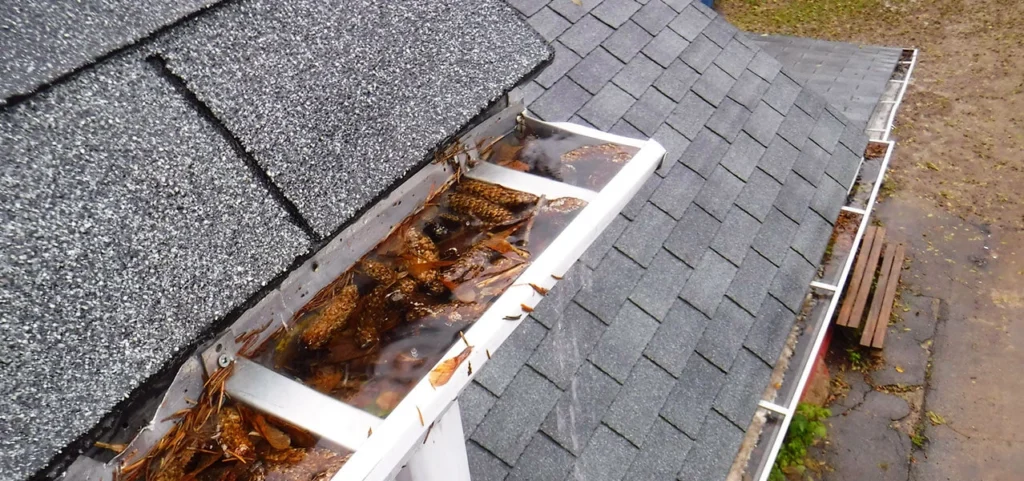
Is your home ready for fall rains and Chinook freeze-thaw cycles? Learn the critical signs your Calgary eavestroughs and downspouts need attention before winter hits.