Cabin Roof & Exterior Maintenance in Invermere & Windermere
Prepare your Columbia Valley property for winter weather. Discover key roof, gutter, and siding maintenance tips from Bears Valley Roofing.

Winter weather places significant stress on a home’s exterior materials. Heavy snow loads, ice accumulation, and frequent freeze-thaw cycles can slowly compromise structural integrity. Transitioning into warmer weather presents the perfect opportunity to assess your property for seasonal damage.
Performing a thorough inspection and maintenance routine each spring helps identify minor wear and tear before it escalates. Proactive preparation prevents small gaps or cracks from turning into costly water intrusion issues during heavy spring rains. By taking the time to evaluate your property now, you protect your financial investment and ensure your living space remains secure.
Focusing your maintenance efforts on three critical areas—the roof, siding, and fascia—yields the highest return on your time. These components endure the brunt of harsh weather and act as the primary defense system for your home. Understanding how to inspect and maintain these specific exterior elements will help you keep your property in excellent condition year-round.
Different roofing materials react uniquely to winter weather. Asphalt shingles can become brittle in freezing temperatures, leading to cracking or granule loss when exposed to high winds. Concrete and clay tiles sometimes crack under the heavy weight of accumulated ice and snow. Metal roofs perform exceptionally well in winter due to their snow-shedding design, but they can still experience freeze-thaw stress around fasteners and seams.
Conducting a systematic visual inspection helps you spot the most common post-winter roofing problems. Review the following areas carefully:
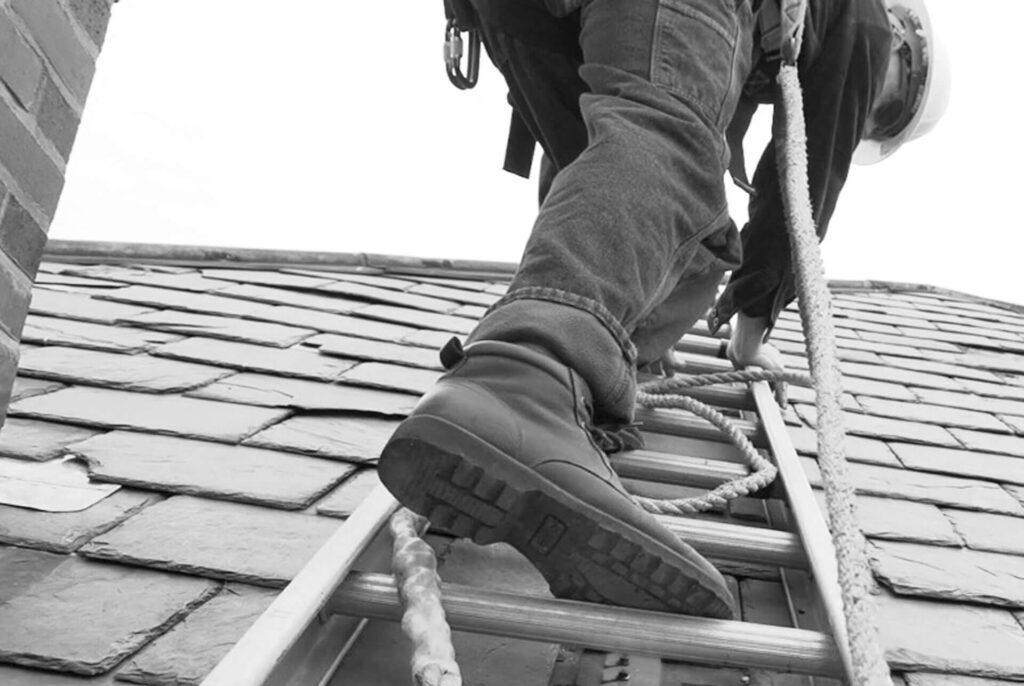
Safety must always remain your top priority when performing roof maintenance. You can complete most of your initial inspection from the ground using a pair of binoculars. If you need to clear low-hanging gutters, use a sturdy, properly secured ladder and work with a partner. Sweep away minor debris with a soft-bristled broom.
Certain situations require the expertise of a licensed roofing professional. If you discover extensive shingle damage, active interior leaks, or structural sagging, contact a contractor immediately. Professionals possess the proper safety equipment and training to execute complex roof repairs safely and correctly.
Siding materials expand and contract as temperatures fluctuate. Wood siding is susceptible to moisture absorption, which can lead to rot and peeling paint. Vinyl siding becomes highly brittle in sub-zero temperatures, making it prone to cracking if struck by falling ice or debris. Fiber cement provides excellent durability, but the caulking at its joints can fail after severe freeze-thaw cycles. Metal siding holds up well against temperature changes but can suffer from dents or finish degradation.
Walk the perimeter of your house and carefully examine your exterior walls.
Regular cleaning extends the lifespan of your exterior walls. For vinyl and metal siding, use a soft-bristled brush and a mixture of mild detergent and warm water to gently scrub away grime. Fiber cement can be cleaned using a garden hose and a mild siding wash. Avoid using high-pressure washers on wood or older fiber cement, as the intense water pressure can force moisture behind the siding and damage the underlying structure.
A clean exterior instantly improves the visual appeal of your property. Removing winter dirt and repairing broken panels restores the original color and texture of your siding. This routine upkeep keeps your home looking fresh and well-maintained throughout the warmer months.
Fascia boards run horizontally along the lower edge of your roof. They serve a vital structural and aesthetic purpose by capping the ends of the roof rafters and providing a solid mounting surface for your gutter system. Intact fascia prevents moisture and pests from entering your attic space.
Traditionally, builders constructed fascia from wood boards. Wood offers a classic look but requires frequent painting and remains highly vulnerable to rot. Metal fascia, typically formed from aluminum or steel, provides a highly durable alternative. Metal covers protect the underlying wood from water exposure, resist insect damage, and feature powder-coated finishes that rarely require repainting.
Ice dams and heavy snow loads put immense pressure on your fascia and gutters.
Address fascia damage quickly to prevent cascading structural issues. Scrape away peeling paint on wood fascia, apply a high-quality exterior primer, and repaint to seal out moisture. If you find sections of rotted wood, cut them out and replace them with new, treated lumber. Re-secure any loose metal fascia panels using appropriate exterior-grade fasteners.
If your wood fascia requires constant repair, consider upgrading to a metal fascia cover. Wrapping existing, healthy wood in aluminum protects it entirely from exterior water. This upgrade drastically reduces your yearly maintenance workload and extends the lifespan of your roof’s edge.
To maximize your efficiency, group your inspection tasks by the side of the house rather than by component. Assess the roofline, fascia, and siding of the north elevation, then move systematically around the building. Keep a notepad handy to document required repairs and materials needed.
Consistency is the most effective maintenance strategy. Establish a recurring schedule on your calendar to prompt these exterior checks every spring and fall. Routine inspections help you catch minor defects early, saving you substantial time and money over the lifespan of your home.
Keeping your property in excellent condition requires consistent, seasonal attention. A thorough evaluation of your roof, siding, and fascia provides a clear picture of how your home weathered the winter. Identifying and repairing minor damage early prevents small leaks from developing into major structural issues.
The long-term benefits of a well-maintained exterior include improved energy efficiency, higher property value, and fewer unexpected repair bills. By dedicating a single weekend to this exterior checklist, you secure your home against the elements. Grab your binoculars and a notepad, step outside, and prepare your home for a beautiful, worry-free spring season.
It's best to inspect your roof, siding, and fascia twice a year, typically in the spring and fall. Routine inspections help you catch minor issues before they become major, expensive repairs.
It depends on the material. While you can use a garden hose for fiber cement, you should avoid using high-pressure washers on wood or older fiber cement siding. The intense pressure can force moisture behind the panels and damage the structure underneath. For vinyl and metal, a soft brush with mild detergent is recommended.
For wood fascia, look for soft spots, crumbling wood, or peeling paint, which indicate moisture and rot. For metal fascia, check for dents, rust, or sections pulling away from the roof. Sagging gutters are also a sign that the underlying fascia may be weakened.
Prepare your Columbia Valley property for winter weather. Discover key roof, gutter, and siding maintenance tips from Bears Valley Roofing.
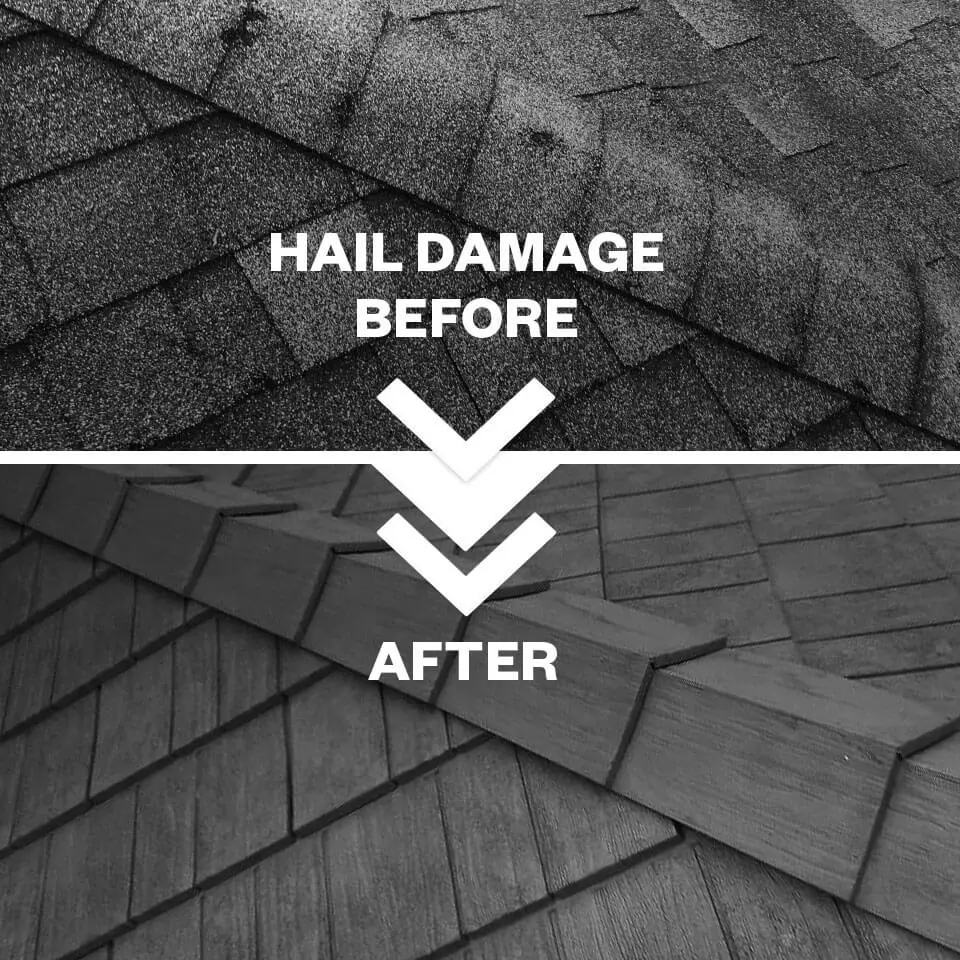
Did your Calgary home suffer hidden hail damage this summer? Learn what to look for, how Chinooks worsen roof leaks, and how to file before insurance claims expire.
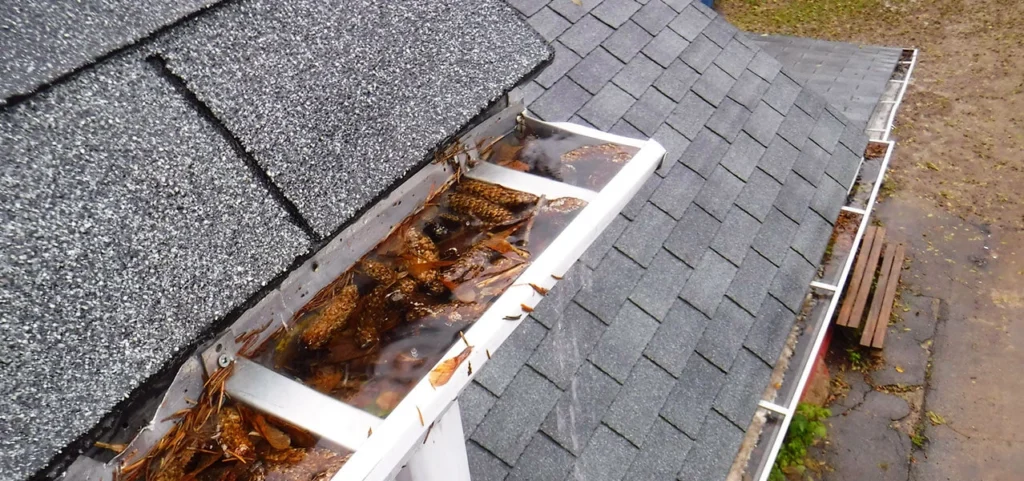
Is your home ready for fall rains and Chinook freeze-thaw cycles? Learn the critical signs your Calgary eavestroughs and downspouts need attention before winter hits.