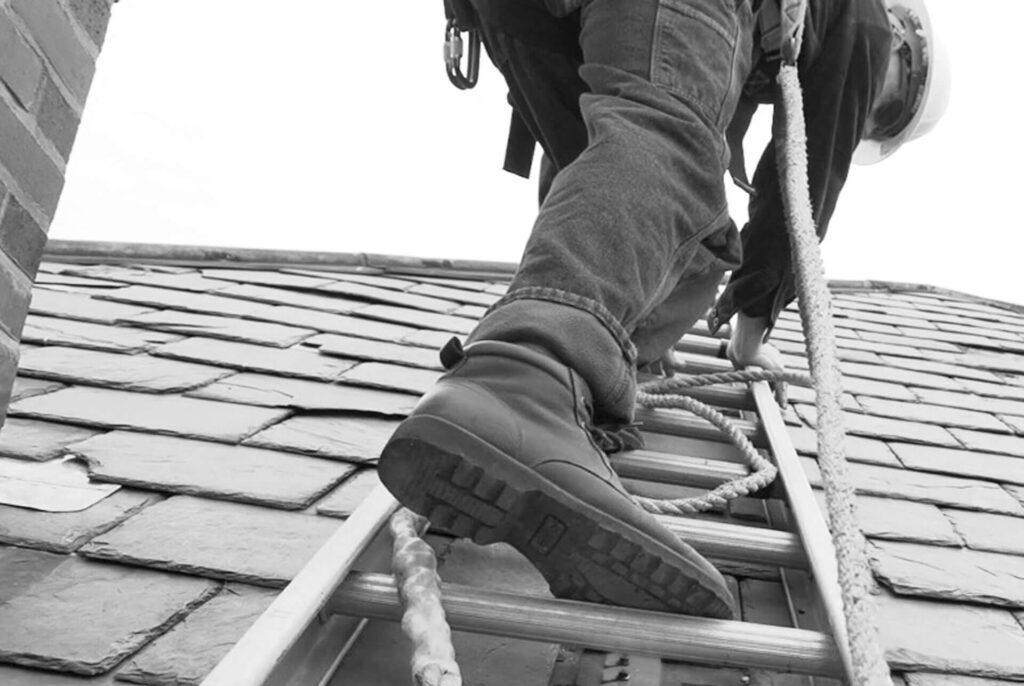
Cabin Roof & Exterior Maintenance in Invermere & Windermere
Prepare your Columbia Valley property for winter weather. Discover key roof, gutter, and siding maintenance tips from Bears Valley Roofing.

High winds, often accompanied by intense storms, pose a significant threat to residential roofing systems. As we look toward 2026, understanding how these environmental factors affect your home is critical for preventing costly damage.
Whether you own an aging property or a brand-new build, wind does not discriminate. However, the specific type of damage your roof might sustain depends heavily on its age, location, and the materials used during construction. From the heritage houses of Calgary to the sprawling new developments in surrounding areas, wind exposure requires careful consideration.
This guide explains how wind interacts with different types of roofs and outlines the specific vulnerabilities found in various Alberta communities. You will learn actionable steps to strengthen your roofing system, helping you protect your investment against the harsh weather conditions expected in the coming years.
Wind rarely causes damage through sheer force alone. Instead, it creates a combination of push and pull forces that exploit weaknesses in a roofing system. Understanding these dynamics is the first step in identifying potential problems before they result in a massive leak.
When wind hits the side of your home, it travels up and over the roof. This movement creates a difference in air pressure. The wind pushing against the house creates positive pressure, while the air flowing over the roof creates negative pressure. This negative pressure results in an uplift effect. If the uplift force becomes stronger than the fasteners holding your roofing materials in place, shingles can loosen, crease, or completely blow off.
Certain areas of a roof are more vulnerable to wind damage than others. These include:
Older neighborhoods like Upper and Lower Mount Royal feature beautiful historical homes with distinct architectural designs. While these properties offer incredible character, their aging roofing systems face unique challenges when confronted with severe Calgary windstorms.
Many of these older homes rely on traditional roofing materials like cedar shakes or early-generation asphalt shingles. Over decades of exposure to extreme temperature fluctuations and intense UV rays, cedar shakes can dry out, crack, and warp. Once a wood shake loses its structural integrity, high winds can easily snap it off the roof deck. Similarly, aging asphalt shingles lose their adhesive seal and become brittle, making them highly prone to wind uplift and tearing.
Additionally, older homes often experience structural settling. This settling can create uneven roof decks or slight gaps in the framing. When high winds hit these compromised areas, the wind forces its way underneath the roofing materials, accelerating the deterioration process. Upgrading a historical roof requires a careful balance. Homeowners must select modern, wind-resistant materials that still preserve the heritage aesthetic of the Mount Royal community.
While new homes benefit from updated building codes, they are not immune to wind damage. In fact, newly developed communities in Cochrane, Airdrie, and the outer edges of Calgary face severe wind exposure risks due to their geographical layout.
These modern developments are often built on open prairies or elevated terrain. Unlike mature neighborhoods, new communities lack large, established trees that act as natural windbreaks. As a result, homes in these exposed areas take the full, unfiltered force of passing windstorms and sudden gusts.
Furthermore, the layout of closely built housing developments can create a wind tunnel effect. As wind forces its way between narrow gaps in the houses, its velocity increases. This accelerated wind pushes heavily against the sides and roofs of the homes. It is incredibly common for residents in new Cochrane and Airdrie subdivisions to find missing ridge cap shingles or sections of asphalt blown off entirely after a localized storm. Proper installation techniques and high-quality materials are essential to combat this intense exposure.
As Alberta building codes continue to evolve toward better climate resilience, future-proofing your roof is a smart financial decision. Preparing your home for 2026 means selecting materials engineered to withstand extreme wind uplift and ensuring they are installed flawlessly.
If you are planning a roof replacement, consider upgrading to high-performance materials:
Beyond material selection, the quality of installation dictates how well your roof performs. A skilled roofing contractor will use the correct number of nails per shingle, ensure proper placement of those fasteners, and use high-quality synthetic underlayment to provide a secondary barrier against wind-driven moisture.
Ignoring the physical signs of wind damage can lead to structural rot, mold growth, and compromised insulation. Taking a proactive approach to maintenance is the most effective way to protect your home.
After any significant wind event, safely inspect your property from the ground. Look for missing, creased, or lifting shingles. Check your yard for debris that may have fallen from the roof, such as small pieces of asphalt or metal fascia. If you notice any anomalies, contact us your professional roofing contractor immediately to perform a comprehensive inspection. Addressing minor wind damage early prevents it from escalating into a costly full-roof replacement.
By understanding the specific wind risks in your neighborhood and investing in durable, properly installed materials, you can ensure your roof remains a strong, reliable shield for years to come.
Your roof's edges, corners, and ridge caps are the most vulnerable areas, as wind can easily catch these points and cause lifting. Additionally, the metal flashing around chimneys and vents can loosen over time, allowing wind-driven rain to get underneath and cause significant damage.
Not necessarily. While new homes are built to modern codes, they are often located in open, exposed areas without mature trees to act as windbreaks. This can create a "wind tunnel" effect between houses, increasing wind speed and the risk of damage, particularly to ridge caps and shingles.
Older homes, especially those with traditional materials like cedar shakes or aging asphalt shingles, face unique risks. These materials can become brittle, cracked, or lose their adhesive seal over time, making them highly susceptible to being lifted or torn off by high winds. Structural settling in older homes can also create gaps that wind can exploit, accelerating damage.
Prepare your Columbia Valley property for winter weather. Discover key roof, gutter, and siding maintenance tips from Bears Valley Roofing.
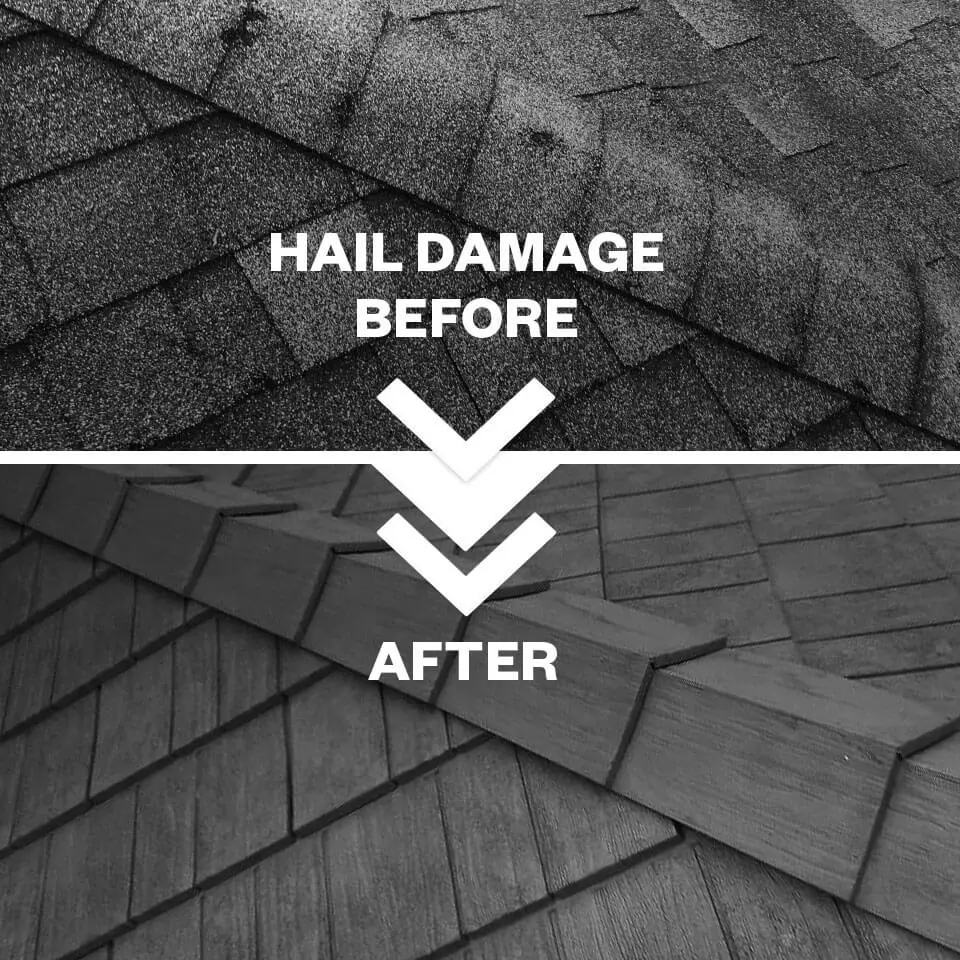
Did your Calgary home suffer hidden hail damage this summer? Learn what to look for, how Chinooks worsen roof leaks, and how to file before insurance claims expire.
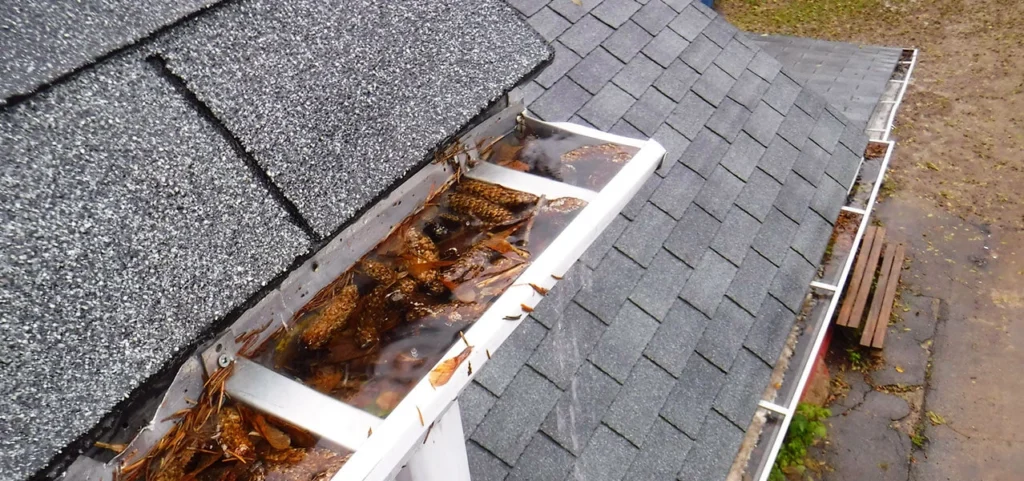
Is your home ready for fall rains and Chinook freeze-thaw cycles? Learn the critical signs your Calgary eavestroughs and downspouts need attention before winter hits.