Hidden Hail Damage in Calgary: Expiration Dates & What to Inspect
Did your Calgary home suffer hidden hail damage this summer? Learn what to look for, how Chinooks worsen roof leaks, and how to file before insurance claims expire.

For homeowners across Calgary, Cochrane, Airdrie, and Rocky View County, local weather demands continuous attention. Between summer storm activity and sub-zero winter blasts, property exteriors endure severe climate shifts.
While spring cleaning and pre-winter prep get most of the attention, experienced roofing contractors know a crucial fact: August and September are the single most important months of the year for a Calgary roof inspection.
Most generic home maintenance guides advise a simple “fall clean-up.” However, Calgary’s severe hail cycles, temperature shifts, and unique Chinook conditions require a strategic approach. Late summer and early autumn provide a critical operational window to evaluate post-storm wear, utilize thermal sealant conditions, protect attic spaces, and lock in insurance claims before winter weather arrives.
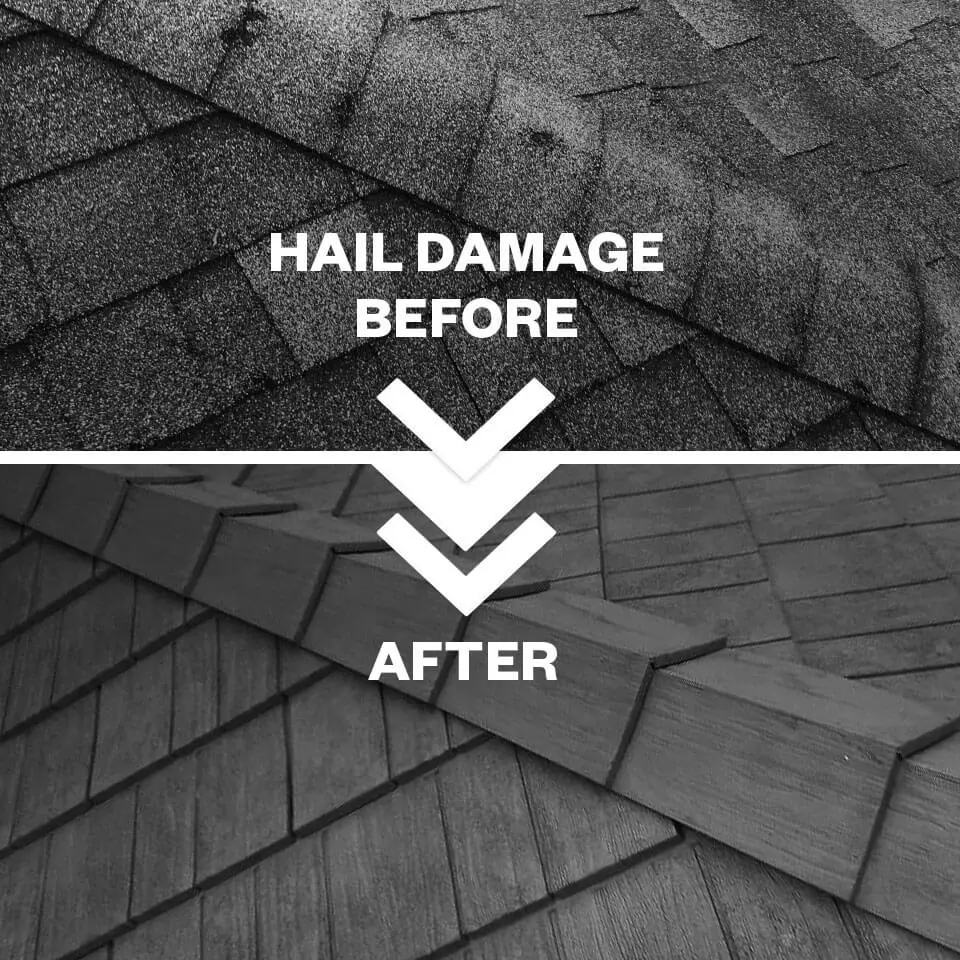
Calgary and the surrounding foothills sit directly inside Western Canada’s infamous “Hail Alley.” Between late June and early August, severe convective storms regularly dump high-velocity hail across residential neighborhoods. While large hailstones leave obvious dents in siding, eavestroughs, and vents, standard asphalt shingle damage is often much harder to spot from the ground.
When hail strikes an asphalt shingle, it creates a localized impact zone, loosening the protective mineral granules that shield the underlying asphalt matting from solar radiation.
Scheduling a professional inspection with a HAAG-certified inspector in August or September catches this invisible storm wear while damage is still localized, preventing widespread leaks when winter snows melt.
Asphalt shingles do not rely solely on mechanical nails to secure your roof. Their wind resistance depends heavily on an underlying heat-activated adhesive line running across each shingle.
For a newly installed or repaired asphalt shingle to lock into place and achieve its full wind warranty rating, the thermal adhesive strip must reach a specific ambient temperature (ideally 10°C to 15°C or higher) to soften, bond, and cure to the shingle layer beneath it.
Performing inspections and necessary roof repairs during late summer ensures your roof system achieves maximum thermal bonding well before cold weather sets in.
A comprehensive roof inspection evaluates the complete overhead system, including attic spaces and thermal boundaries. In southern Alberta, indoor moisture and poor attic balance cause as many roof failures as external weather.
Calgary experiences sudden temperature shifts due to winter Chinook winds. Temperatures can rise from -20°C to +10°C within hours, creating severe thermal stress on your home’s roof deck.
During an August or September inspection, inspectors conduct a complete attic thermal audit before winter snowfall blocks soffit intakes.
By measuring the soffit-to-ridge intake and exhaust airflow ratios, inspectors ensure your attic stays at outdoor ambient temperatures during winter, preventing ice dams before they start.
If your property sustained hail or wind damage during early summer storms, the clock is ticking on your home insurance claim.
Most Canadian property insurance policies include strict limitation periods—typically requiring homeowners to identify, document, and report storm damage within 12 months of the incident date.
| Action Item | Late Summer (Aug – Sept) | Late Fall / Winter (Nov – March) |
| Damage Visibility | Clear view of shingle wear, granule loss, and vents. | Concealed beneath snow, ice, and frost build-up. |
| Adjuster Scheduling | Reasonable response and assessment times. | Backlogged emergency callouts; weather delays. |
| Contractor Availability | Planned installation schedules; full crew capacity. | Emergency repairs only; severe weather delays. |
| Out-of-Pocket Risk | Low; fully covered under current policy terms. | High; claims filed past policy deadlines may be denied. |
Filing a claim in August or September provides distinct advantages:
Waiting until a leak appears during the first autumn downpour or winter thaw leaves you competing with hundreds of other homeowners for emergency service.
Use this practical checklist during late summer to assess your home’s exterior status:
Your roof serves as your home’s primary line of defense against severe weather. Waiting for visible indoor water stains to schedule an inspection often turns a minor maintenance job into a costly restoration project.
By taking advantage of the warm weather, clear roof decks, and active insurance windows in August and September, you can fix hidden damage, optimize attic ventilation, and ensure your home is fully protected before winter arrives.
At Bears Valley Roofing & Exteriors, our HAAG-certified roof inspection team brings over 25 years of local experience across Calgary, Cochrane, and surrounding areas. We provide detailed property assessments, assist with insurance claims, and deliver high-quality exterior solutions backed by a 10-year workmanship warranty.
Don’t wait for winter snow to reveal hidden storm damage.
Contact Bears Valley Roofing online or call (403) 333-0319 today to book your certified roof inspection.
Hail damage rarely causes immediate ceiling leaks. Instead, hail knocks off the protective mineral granules on asphalt shingles, exposing the underlying asphalt matting to solar UV rays. Over weeks and months, sunlight degrades this exposed area, causing micro-fractures that allow water penetration during freeze-thaw cycles. A professional HAAG-certified inspection identifies this early granule loss and mat bruising before leaks reach your drywall.
Yes, repairs and replacements can occur in late September, but timing is critical. Asphalt shingles rely on a heat-activated sealant strip that needs warm ambient daylight (ideally 10°C to 15°C+ or direct sunlight) to properly soft-bond to the layer beneath it. Booking in August or September guarantees enough ambient heat for shingles to cure fully before freezing winter winds arrive.
A complete roof inspection evaluates both external materials and internal ventilation airflow. In Calgary, improper attic ventilation traps warm, humid house air under the roof deck during winter. This melted snow on upper roof sections flows down to unheated eaves, refreezing into destructive ice dams that force water underneath shingles. Checking attic intake and exhaust balance in early fall prevents ice dams and extends shingle lifespan.
Did your Calgary home suffer hidden hail damage this summer? Learn what to look for, how Chinooks worsen roof leaks, and how to file before insurance claims expire.
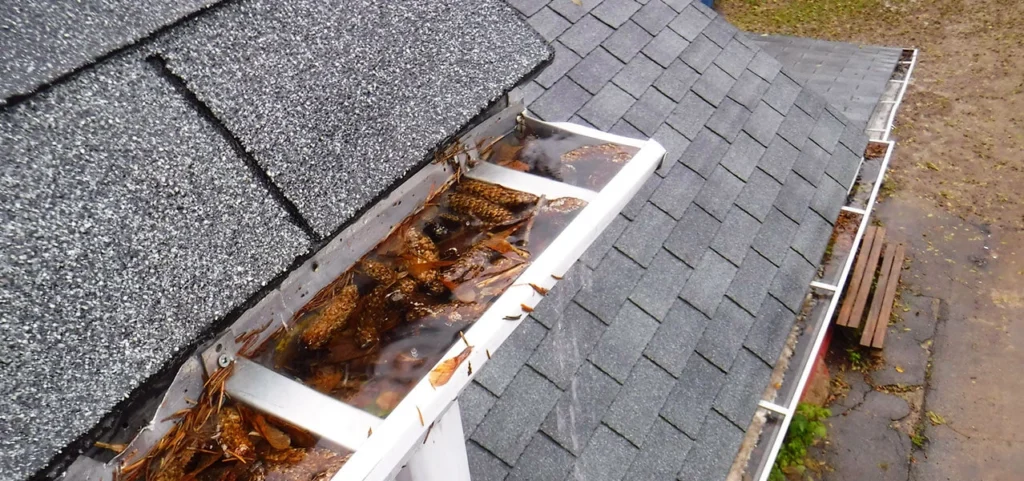
Is your home ready for fall rains and Chinook freeze-thaw cycles? Learn the critical signs your Calgary eavestroughs and downspouts need attention before winter hits.

Confused by roofing warranties in Calgary and area? Learn what a 10-year labor warranty actually covers, what voids it, and how it protects your home against extreme weather.