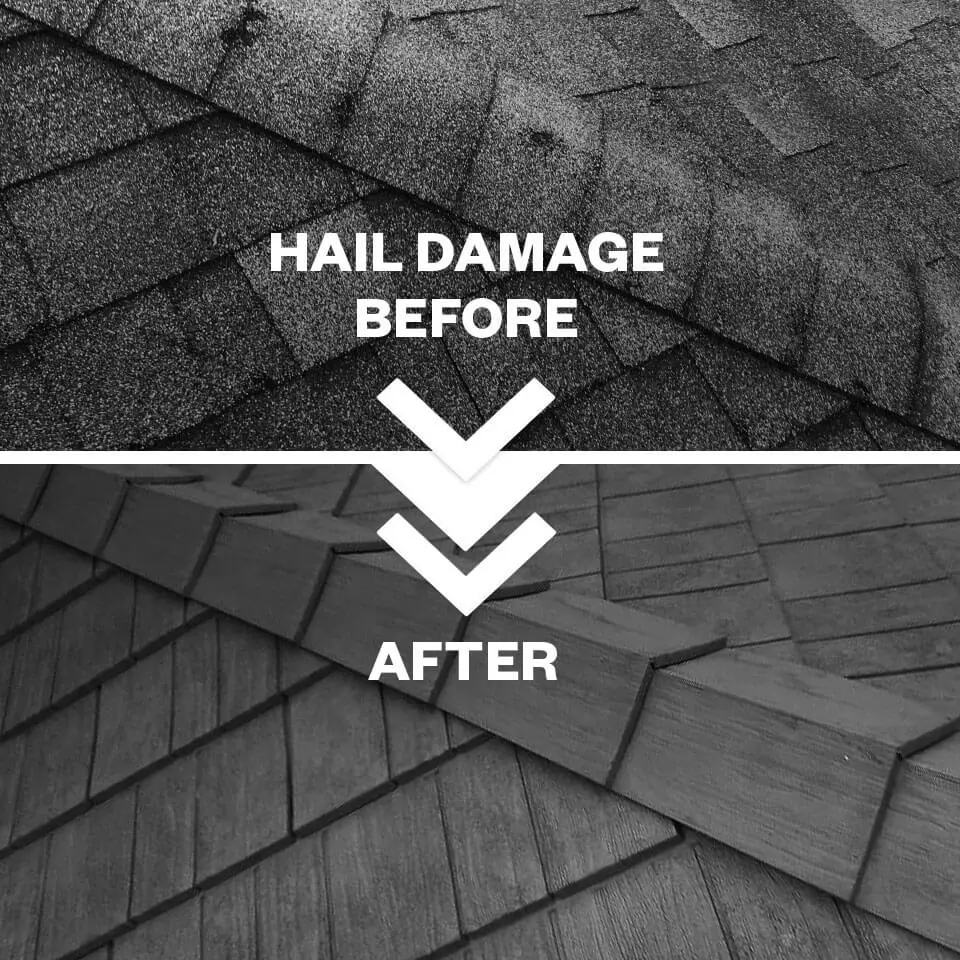
Hidden Hail Damage in Calgary: Expiration Dates & What to Inspect
Did your Calgary home suffer hidden hail damage this summer? Learn what to look for, how Chinooks worsen roof leaks, and how to file before insurance claims expire.

As fall golden hour settles across Lake Windermere and the larch trees turn amber in the Purcells, seasonal property owners in the Columbia Valley face a familiar deadline. Winter is on its way.
Whether your retreat is a lakefront cottage in Windermere or a mountain chalet overlooking Invermere, preparing your property for the winter season requires more than just locking the front door. The East Kootenay region presents a distinct combination of heavy mountain snowpacks, intense freeze-thaw cycles, fierce valley winds, and driving solar thaw that tests your building envelope to its limits.
While standard checklists focus on indoor plumbing and shutting down power, your roof, gutters, and exterior cladding are your first line of defense against mountain winter conditions. Use this exterior maintenance checklist tailored specifically to Columbia Valley cabin owners.
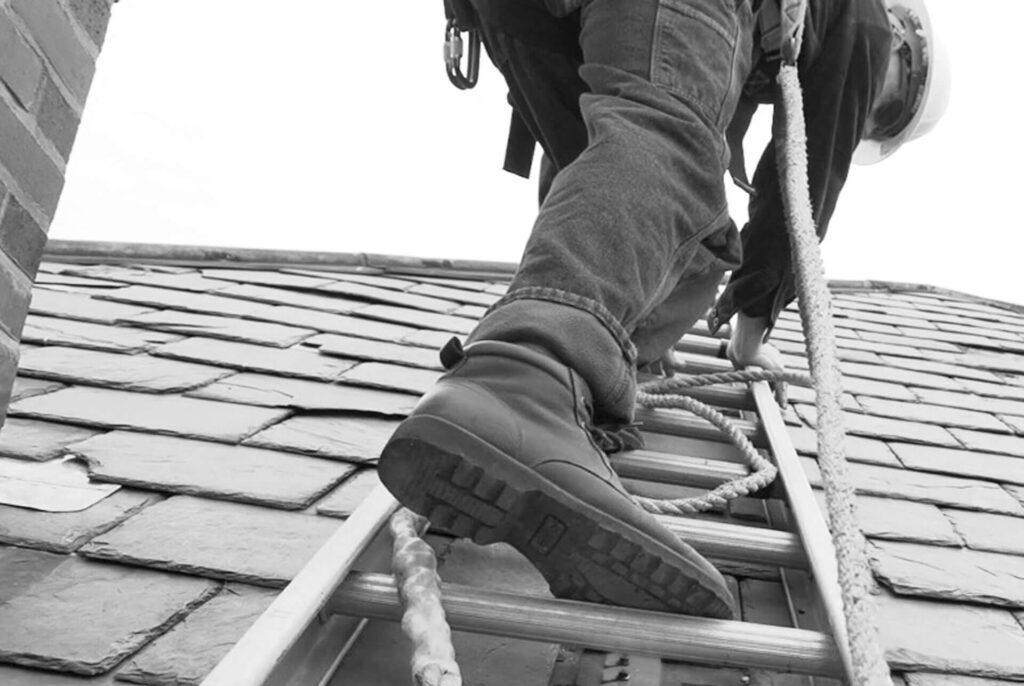
Your roof endures extreme temperature swings in the East Kootenays. Heavy snowfall followed by intense mountain sunlight causes rapid expansion and contraction that damages compromised roofing materials.
Clogged or misaligned drainage systems are the leading cause of winter water damage in Invermere and Windermere cabins.
The wind sweeping off Lake Windermere can drive freezing moisture through the smallest gaps in your exterior walls.
Protect Your Cabin Envelope Before the Snowpack Arrives
Catching a minor roof or flashing issue in the fall prevents an emergency exterior repair in the middle of a January snowstorm. At Bears Valley Roofing, we bring over 25 years of local exterior expertise to the Columbia Valley—from Invermere and Windermere to Radium and Panorama.
Our HAAG-certified inspectors understand the unique climate demands placed on mountain cabins. Whether you need a comprehensive pre-winter roof inspection, eavestrough tune-up, flashing repair, or siding maintenance, our local crew ensures your exterior is ready for the winter ahead.
Get ahead of the snowpack: Book your pre-winter exterior inspection with Bears Valley Roofing today or call our local team at (250) 688-8553.
The East Kootenay climate subjects properties to intense freeze-thaw cycles, high valley winds, and heavy Purcell mountain snowpacks. Catching minor roof, flashing, or gutter issues in the fall prevents meltwater from expanding under shingles during freeze cycles, which causes severe interior leaks and costly emergency repairs in mid-winter.
When leaves and pine needles clog eavestroughs, meltwater cannot drain properly. As temperatures plunge at night, this trapped water freezes into heavy ice blocks that expand under your lower roof edge. Clearing gutters ensures free-flowing drainage and supports attic ventilation, keeping your roof deck cold and preventing ice dams from forming along the eaves.
Before locking up for the season, inspect siding joints and ensure all soffit, gable, and crawlspace vents are fitted with durable galvanized steel or aluminum wire mesh. Mountain pests like mice, squirrels, and packrats seek shelter as winter approaches and can easily chew through wood or plastic vent covers to nest inside wall cavities.
Did your Calgary home suffer hidden hail damage this summer? Learn what to look for, how Chinooks worsen roof leaks, and how to file before insurance claims expire.
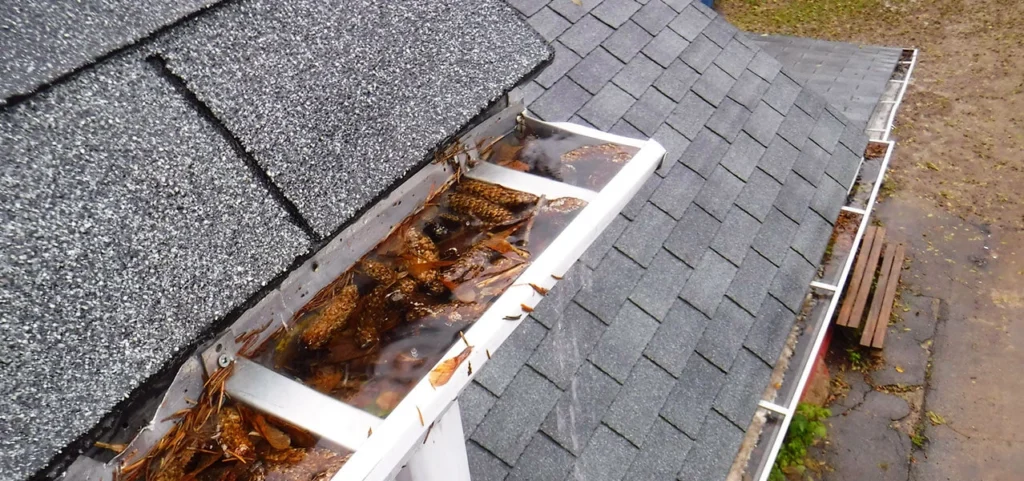
Is your home ready for fall rains and Chinook freeze-thaw cycles? Learn the critical signs your Calgary eavestroughs and downspouts need attention before winter hits.
Calgary homeowners: Discover why August and September are the most crucial months for a roof inspection. Learn about post-hail checks, thermal curing, and insurance deadlines.