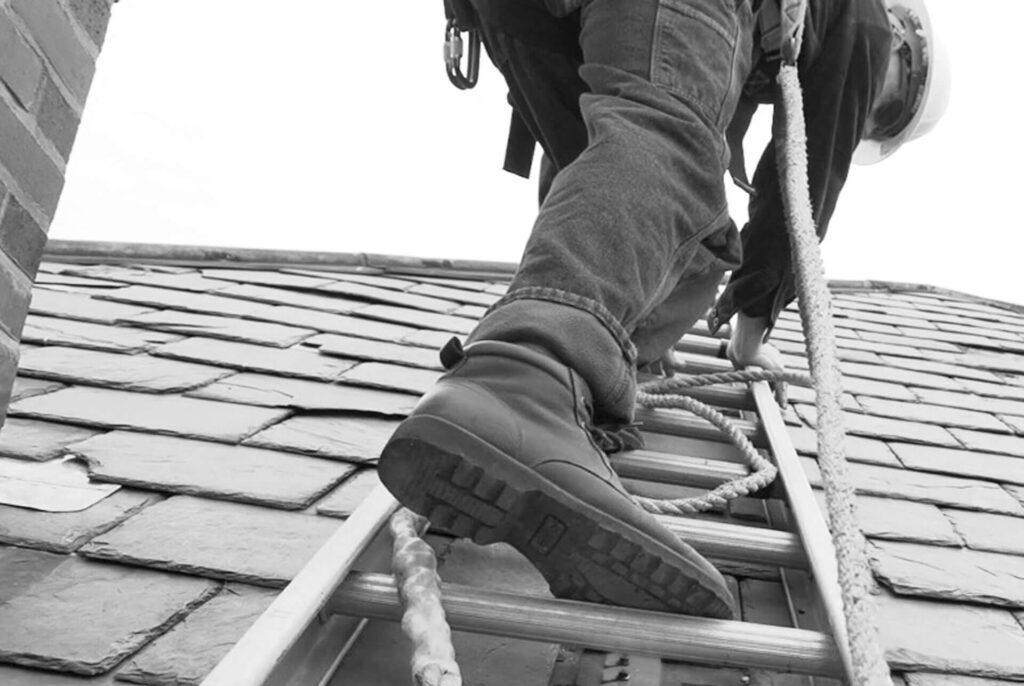
Cabin Roof & Exterior Maintenance in Invermere & Windermere
Prepare your Columbia Valley property for winter weather. Discover key roof, gutter, and siding maintenance tips from Bears Valley Roofing.

Homeowners in Southern Alberta and the Columbia Valley know how unforgiving the weather can get. Hailstorms in summer, heavy snowfall in winter, freeze-thaw cycles in spring—your roof takes the brunt of all of it. Choosing a roofing material that holds up against moisture intrusion is one of the most important decisions you’ll make for your home.
So, which type of roof is least likely to leak? The short answer is metal roofing—specifically, standing seam metal. But the full picture is more nuanced than that. The material matters, but so does the roof pitch, installation quality, and how well you maintain it over time. This guide breaks it all down so you can make a confident, informed decision.
Before comparing leak resistance, it helps to understand how each material is constructed and where its vulnerabilities lie.
Asphalt shingles are the most widely installed roofing material in Canada. They’re affordable, widely available, and relatively easy to repair. However, individual shingles can lift, crack, or blow off in high winds, and the exposed nails beneath each shingle course create potential water entry points. Flashing around chimneys, vents, and skylights is also a common leak source on asphalt roofs, particularly as sealants age and shrink.
Metal roofing comes in two main systems: exposed fastener panels (such as corrugated or PBR panels) and standing seam. The difference between them is significant when it comes to leak resistance. Exposed fastener systems use screws that penetrate directly through the panel surface—a corrugated roof can require hundreds of these penetrations, each one a potential entry point for water. Standing seam systems, by contrast, use concealed clips and hidden fasteners, eliminating roof penetrations almost entirely across the open field of panels.
Rubber roofing (EPDM) is a single-ply membrane system is becoming more commonly used. It’s durable and flexible, performing well across temperature extremes- plus resistant to hail damage. The main vulnerabilities are seam separation over time, punctures from foot traffic or sharp debris, and flashing failures at walls and penetrations.
Standing seam metal roofing consistently outperforms other materials on leak resistance for one primary reason: there are no fastener penetrations through the panel surface. As metal roofing experts Bearsvalley Roofing states that, “by having the fasteners hidden or using clips where there are no penetrating holes into the roof, standing seam [panels] are more resistant to leaks.” Exposed fasteners, on the other hand, leave gaps between the fastener and panel that allow water in—gaps that widen as metal expands and contracts with temperature changes.
That thermal movement is worth understanding. Metal expands and contracts with every temperature shift. On an exposed fastener roof, those repeated cycles gradually loosen screws and compromise the rubber washers that seal each penetration. On a standing seam roof, floating clip systems are engineered specifically to accommodate that movement, keeping seams tight without putting stress on attachment points.
For Southern Alberta and Columbia Valley homeowners, this matters enormously. The region’s freeze-thaw cycles are particularly hard on roofs with mechanical penetrations, because water that enters even a small gap will freeze, expand, and widen that gap further. Standing seam’s continuous interlocked seams provide a surface that sheds water without giving it anywhere to enter.
That said, standing seam roofing is not leak-proof by default. As we have noticed doing roof repairs at Bearsvalley Roofing & Exteriors that most leak issues don’t come from the metal panels themselves. They happen when small installation and detailing mistakes allow water to get behind flashing, wick under seams, or back up at penetrations and transitions. Proper installation—especially at valleys, chimneys, pipe boots, and wall-to-roof connections—is what separates a roof that performs for 50 years from one that develops problems within a decade.
Steeper roofs shed water and snow faster, reducing the chance of moisture lingering on the surface. Low-slope roofs allow water to pond, which puts any roofing material under prolonged stress. Standing seam can be installed on very low slopes (as low as 1:12 pitch with proper sealant detailing), while exposed fastener metal panels should not be used below a 3:12 pitch. Asphalt shingles generally perform best on slopes of 4:12 and above.
In high-snowfall areas like the Columbia Valley, a steeper pitch also helps snow slide off before its weight becomes a structural concern—a natural advantage that metal’s slick surface amplifies.
No roofing material is immune to poor installation. Flashing errors cause the majority of leaks across all roof types. Whether it’s a chimney saddle on an asphalt roof, a pipe boot on a standing seam system, or seam adhesive on an EPDM membrane, the transitions and penetrations are where craftsmanship counts most. Hiring an experienced, qualified contractor is not optional—it’s a prerequisite for leak resistance, regardless of material.
Southern Alberta is one of Canada’s most active hail corridors, and wind events across the region can be severe. Metal roofing handles both well. It resists hail impact better than asphalt shingles, which can crack or lose granules under hail stress, accelerating weathering. Metal panels also lock together rather than relying on individual fasteners exposed to uplift forces, giving standing seam systems strong wind resistance when correctly installed.
Even the best roof requires periodic attention. Here’s what matters most for homes in Southern Alberta and the Columbia Valley:
Standing seam metal roofing offers the best combination of leak resistance, longevity, and performance in the demanding climates of Southern Alberta and the Columbia Valley. It removes the most common mechanical leak paths, accommodates thermal movement by design, and sheds snow and ice efficiently. Whichever material you choose, installation quality is the deciding factor. A well-installed asphalt roof will outlast a poorly installed metal one.
If you’re ready to invest in a roof that’s built to handle what this region throws at it, Bears Valley Roofing and Exteriors is your local expert for Southern Alberta – such as Calgary, Cochrane, and Canmore and the Columbia Valley – Invermere. Contact us today to schedule an inspection or get a detailed quote for your next roofing project.
Standing seam metal roofs are ideal for this region because they are highly resistant to leaks, especially during freeze-thaw cycles. Their interlocking panels don't have exposed screws that can loosen over time. The design allows the metal to expand and contract without creating gaps, and the slick surface helps shed snow and ice effectively, preventing damage and ice dams.
Across all roof types, the majority of leaks are not caused by the primary roofing material itself but by poor installation, particularly around flashings. Areas like chimneys, vents, skylights, and valleys are the most vulnerable. If these details aren't handled correctly, water can get behind the roofing system, leading to leaks regardless of whether you have metal or asphalt.
Yes! Installation quality is just as important as the shingle brand itself. Preferred or certified roofing contractors are trained and approved by manufacturers to install their products correctly. Using a preferred contractor can unlock extended warranty coverage, including workmanship warranties that are not available through standard installers. Proper installation ensures your shingles perform as intended and protects your investment long-term.
While standing seam roofs are highly leak-resistant, they are not completely leak-proof. Leaks can still occur if the installation is faulty, especially around complex areas like chimneys, valleys, or where the roof meets a wall. Regular maintenance, such as inspecting flashings and clearing debris from valleys, is still essential to ensure your roof performs well for its entire lifespan.
Prepare your Columbia Valley property for winter weather. Discover key roof, gutter, and siding maintenance tips from Bears Valley Roofing.
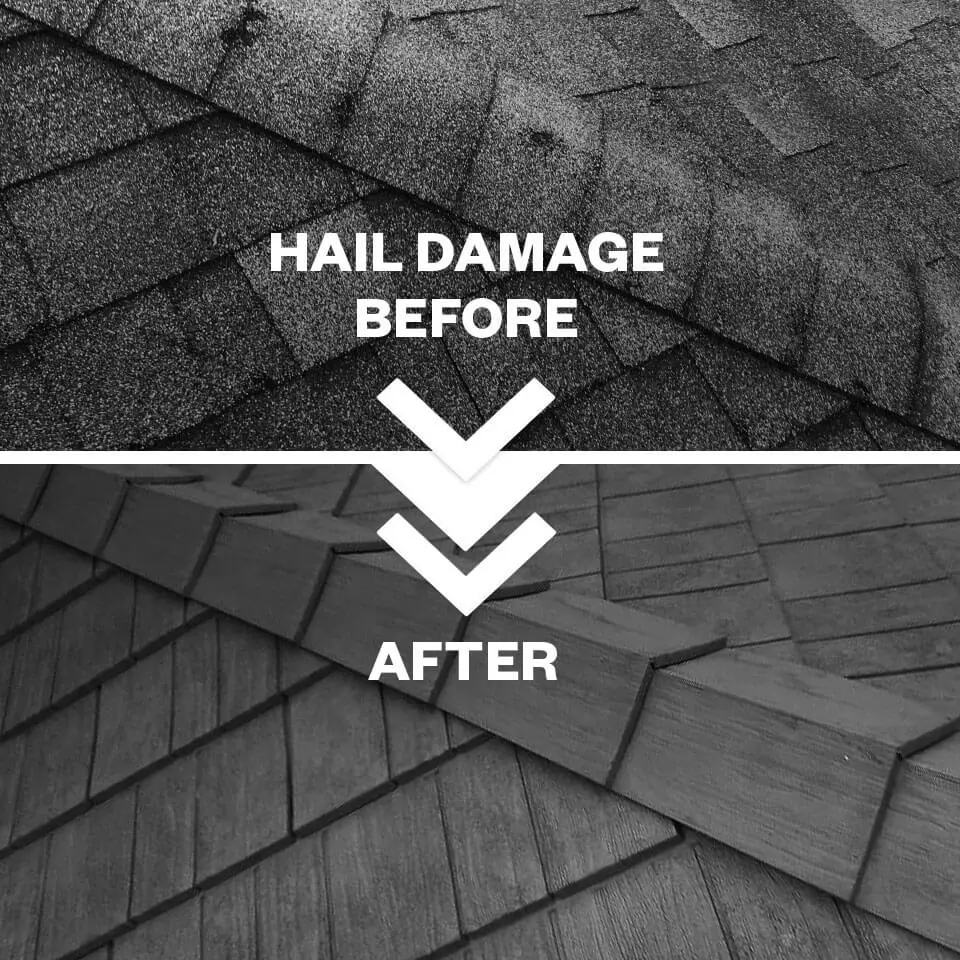
Did your Calgary home suffer hidden hail damage this summer? Learn what to look for, how Chinooks worsen roof leaks, and how to file before insurance claims expire.
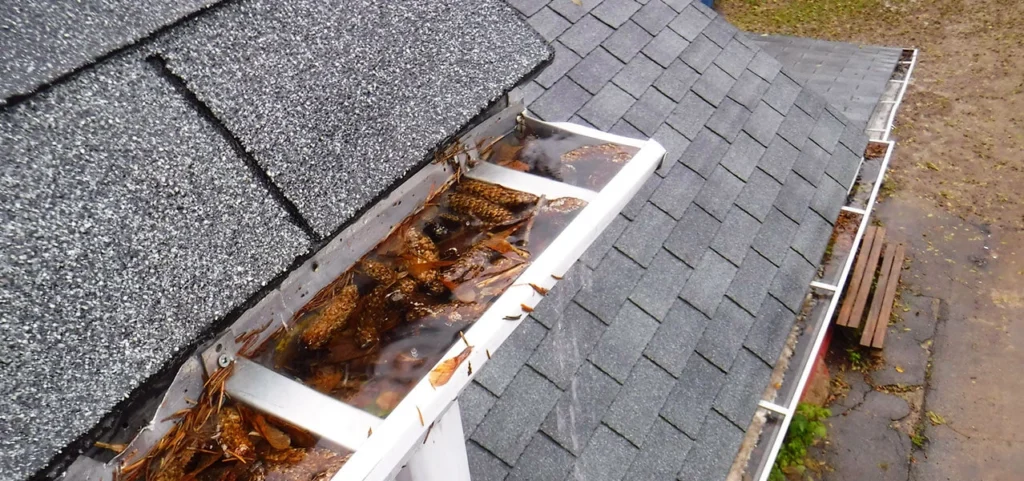
Is your home ready for fall rains and Chinook freeze-thaw cycles? Learn the critical signs your Calgary eavestroughs and downspouts need attention before winter hits.