Calgary features many beautiful older neighborhoods filled with historic charm and character. Your home is an important investment, and your roof plays a massive role in protecting that investment. Over time, the materials defending your property break down under the constant exposure to harsh Alberta weather.
Upgrading the roof on a house built many decades ago requires careful planning. It involves entirely different considerations compared to working on a modern build. You have to account for aging structural framing, strict municipal bylaws, and extreme temperature fluctuations. Understanding these factors helps you make the right decisions for your property.
This guide outlines the specific challenges of roofing older properties, the local weather impacts to consider, and the material choices available to you.
Understanding the unique roofing challenges for older Calgary homes
Older homes often possess structural quirks that require special attention during a roof replacement. Roofers frequently discover outdated construction techniques once they remove the old shingles.
For instance, many older houses originally featured cedar shake roofs installed over skip sheathing. Skip sheathing consists of spaced wooden boards that allowed the original cedar to breathe. Modern roofing materials require a solid, continuous deck for proper installation. A roofing contractor will usually need to install new plywood or oriented strand board (OSB) over the existing framing before laying down new materials.
Ventilation presents another major hurdle. Historic properties rarely meet modern attic ventilation standards. Poor airflow traps heat and moisture inside the attic space. During a cold Calgary winter, this trapped heat melts snow on the roof surface. The water runs down to the colder eaves and freezes, creating destructive ice dams. A proper roof replacement must include upgrading the intake and exhaust vents to keep the attic space cold and dry.
Additionally, contractors often find multiple layers of old roofing materials on historic homes. Building codes strictly limit the number of layers a roof can support. Removing decades of old shingles is necessary to assess the health of the underlying wood and prevent the roof from collapsing under its own weight.
Identifying historic neighbourhood requirements
Calgary neighbourhoods like Upper Mount Royal and Lower Mount Royal feature distinct architectural styles dating back to the early 20th century. The city aims to preserve the character of these areas through specific guidelines.
Upper and Lower Mount Royal guidelines
The City of Calgary has designated specific Heritage Guideline Areas. These areas require new development and major exterior renovations to respect the historic fabric of the block. If your home is located in Upper Mount Royal or Lower Mount Royal, your roof replacement may need to follow certain design rules.
City guidelines state that roof styles should be informed by and complement the heritage assets in the area. For example, the primary roof pitch typically needs to be a minimum of 6:12, though a 4:12 pitch is acceptable if it matches the surrounding heritage homes. In Upper Mount Royal, flat roofs might be considered if similar roof forms already exist in the immediate area.
The guidelines also strongly discourage the use of synthetic-looking materials like vinyl. Instead, the city encourages the use of natural or natural-looking building materials that fit the historical context of the neighborhood.
Preparing for Calgary’s harsh weather conditions
Your new roof needs to withstand everything the local climate throws at it. Calgary experiences some of the most dramatic weather shifts in the country, and your roof takes the brunt of this impact.
Designing for heavy snow loads
Calgary receives significant snowfall throughout the winter months. The structural framing of an older home must handle the heavy physical weight of this snow accumulation. If you decide to upgrade to a heavier roofing material, the combined weight of the new roof and a heavy snowfall could stress the older wooden rafters. A qualified roofing professional will evaluate your roof’s structural integrity to ensure it meets the necessary load-bearing capacities.
Defending against summer hail
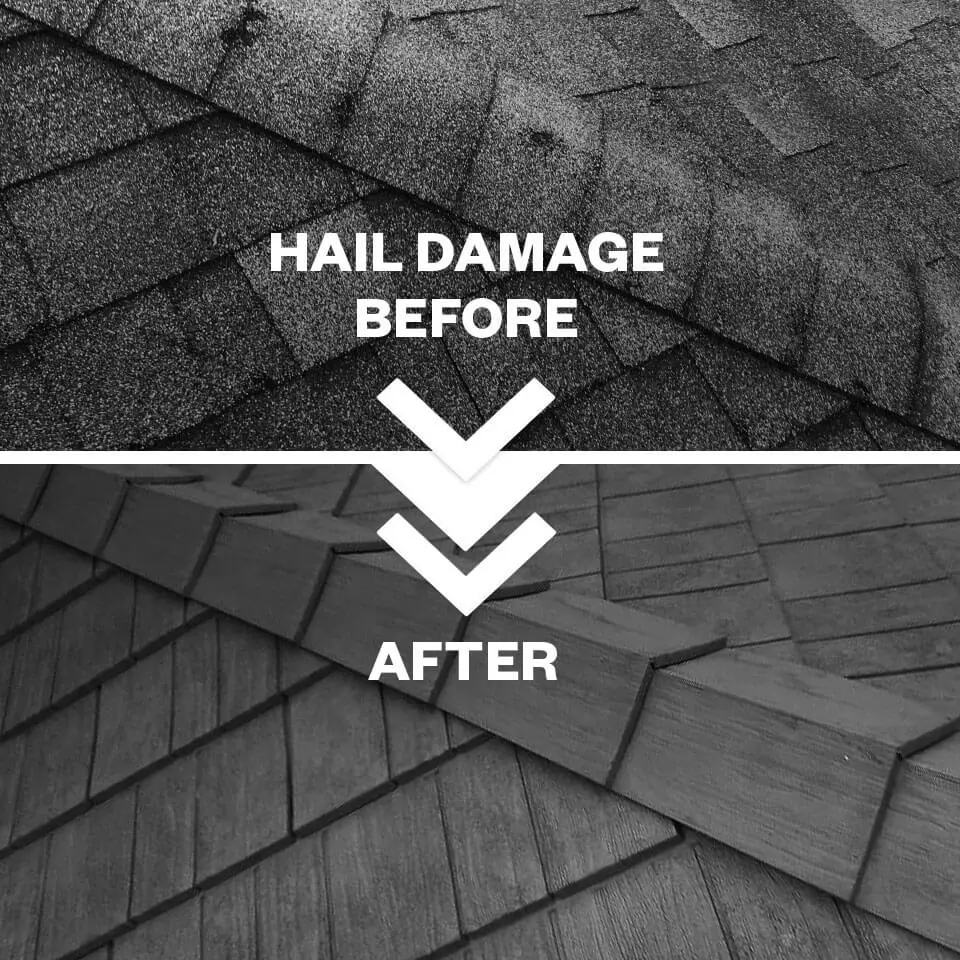
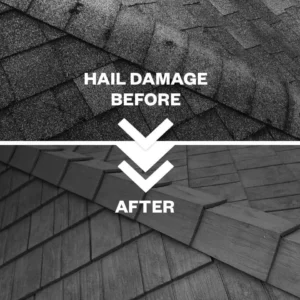
Calgary sits right in the middle of “Hail Alley.” Summer storms frequently bring massive hailstones that can destroy a standard roof in minutes. When selecting materials for an older home, it is vital to prioritize impact resistance. Choosing products with a Class 4 impact resistance rating provides the highest level of defense against hail damage, potentially saving you from costly repairs and interior water damage.
Choosing the right materials for older homes
Selecting the right material means balancing historical aesthetics with modern durability. You want a product that looks appropriate for a heritage home but performs like a modern fortress.
Architectural asphalt shingles are a cost-effective and highly popular choice. Unlike basic 3-tab shingles, architectural shingles feature a dimensional, textured appearance that mimics the look of traditional wood shakes. You can purchase premium asphalt shingles with a Class 4 impact resistance rating. They offer excellent protection against hail while keeping the classic look of your historic property intact.
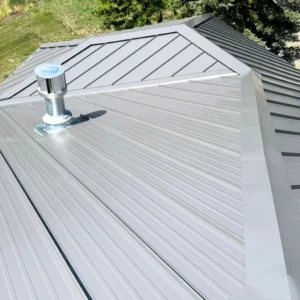
Metal roofing offers exceptional durability and longevity. It sheds snow easily and requires very little maintenance. While a standing seam metal roof might look too modern for some historic homes, its sleek lines and clean aesthetic can complement a variety of architectural styles. Metal roofing offers a unique and prestigious look, allowing you to modernize your Mount Royal home while utilizing a material that can last over fifty years.
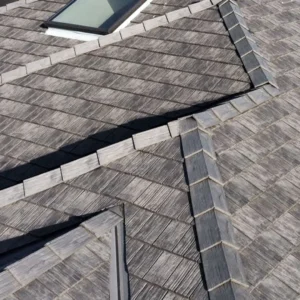
Rubber roofing is an increasingly popular option for Calgary homeowners. Manufactured from recycled tires, rubber roofs are incredibly resilient and bounce back from massive hail impacts without denting or cracking. Similar to stamped metal, rubber roofing is molded to look like natural slate or cedar shakes. It provides a visually appealing, eco-friendly option that suits the architectural style of older neighborhoods perfectly.
Navigating local building permits and historic preservation
Understanding the legal and municipal requirements is a major part of upgrading an older home. Failing to secure the right approvals can lead to fines and forced construction delays.
City of Calgary permit requirements
Standard roof replacements on regular residential homes often do not require a formal building permit, provided you are not changing the structural framing. However, the rules change significantly for historic properties.
If your property is a designated Municipal Historic Resource, it is legally protected. This status prevents the historic resource from being demolished and requires Heritage Planning approval for any alterations to pre-defined historic elements. You must coordinate closely with the city before removing or altering the roof.
Even if your home is not legally designated but simply resides within a Heritage Guideline Area, changing the roof’s pitch, form, or material type might trigger the need for a development permit. Always contact the City of Calgary planning department or consult your roofing contractor to confirm what paperwork is required before signing a contract.
Selecting a specialized roofing contractor
The roofing contractor you choose to hire will determine the quality of work and will dictate if it is protecting your home. Working on a century-old house requires specialized knowledge that a standard contractor might lack.
Bearsvalley Roofing is a preferred roofing contractor in Calgary, known for their expertise in restoring and replacing roofs on heritage and older homes. Our team has extensive experience managing the specific requirements and challenges of historic properties in neighborhoods like Mount Royal.
Maintenance tips to extend your roof’s lifespan
Once your new roof is installed, regular maintenance is required to maximize its lifespan in the Alberta climate.
- Schedule regular inspections: Have a professional inspect your roof every few years, or immediately following a severe summer hailstorm. Catching minor damage early prevents major interior leaks.
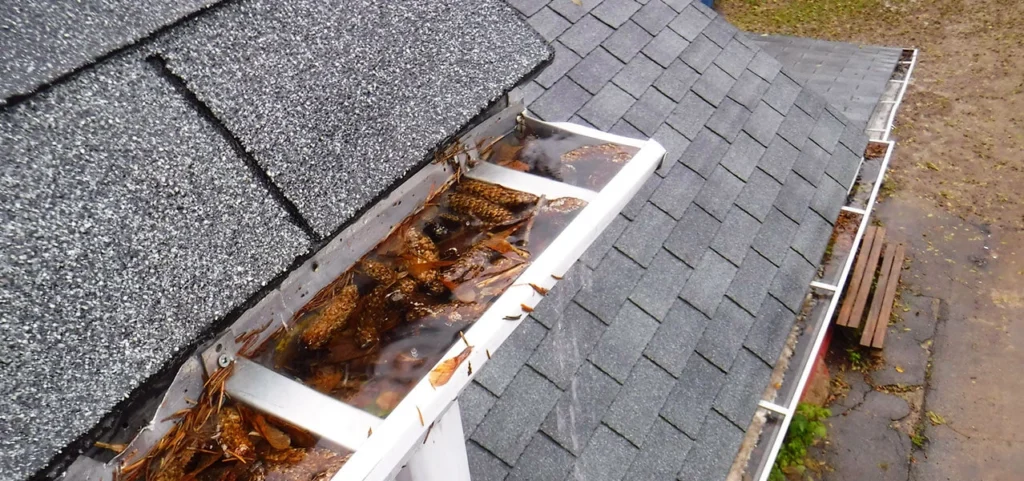
- Clear the gutters: Clean your eavestroughs and downspouts every spring and fall. Clogged gutters force rainwater to back up under the roofing materials and contribute to winter ice dams.
- Manage surrounding trees: Trim back heavy tree branches that hang over your house. This prevents the wind from scraping branches against your shingles and stops heavy limbs from falling onto the roof during a storm.
- Monitor the attic: Check your attic periodically during the winter. Look for frost buildup on the underside of the roof deck, which indicates your ventilation system is not functioning correctly.
Planning your roof replacement project
Replacing the roof on an older Calgary home takes careful consideration, but the result is a safe, beautiful property that retains its historic value. By understanding the structural needs of your house, honouring local heritage guidelines, and preparing for extreme weather, you ensure your home remains protected for decades. Start by reaching out to us your specialized local roofing contractor to assess your current roof and discuss the best material options for your specific neighbourhood.